
What Miami’s Waterfront Culture Reveals About Modern Luxury and Urban Leisure
What Miami’s Waterfront Culture Reveals

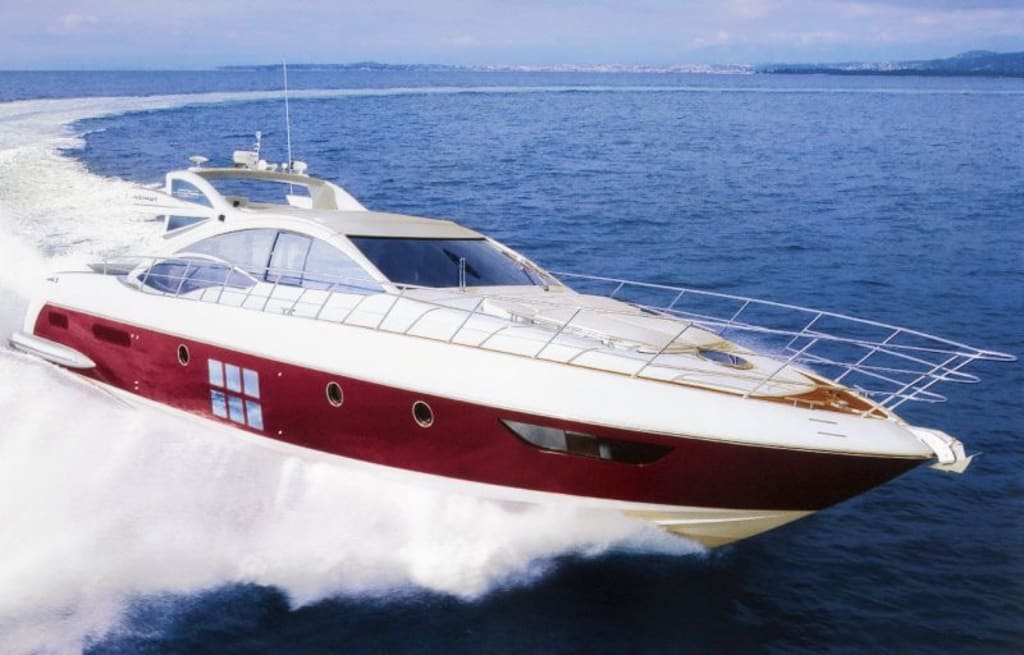
Miami’s coastline is more than a geographical feature; it is a cultural framework that shapes how the city understands leisure, identity, and public space. Across decades, the waterfront has evolved from a backdrop for tourism and maritime activity into a living extension of urban life. Within this transformation, private yacht experiences have emerged not simply as recreational offerings, but as symbols of how contemporary cities redefine access, time, and social environments.
Rather than existing as isolated leisure activities, these water-based experiences reflect broader shifts in how modern societies engage with luxury and shared spaces. Miami, with its global visibility and constant flow of visitors, provides a particularly clear view of this evolution.
The Waterfront as a Cultural System, Not Just a Location
In many coastal cities, the waterfront is treated as a boundary between land and sea. In Miami, however, it functions more like a cultural system—one that influences how people move, gather, and experience the city.
Public beaches, marinas, waterways, and skyline-facing bays form an interconnected environment where leisure is not confined to a single format. Within this system, maritime experiences have gradually become part of everyday urban imagination, rather than being reserved for exceptional occasions.
This shift reflects a broader global trend in which cities are increasingly shaped by their natural interfaces. The water is not separate from the city; it is embedded within it as an active participant in cultural life.
Changing Definitions of Luxury in Contemporary Urban Life
Traditional ideas of luxury were often tied to ownership, permanence, and exclusivity. In contrast, modern interpretations are more fluid. Access, experience, and temporality now play a central role in defining what is considered valuable.
Miami’s waterfront culture illustrates this shift clearly. Time spent on the water is increasingly structured around short, curated experiences rather than long-term commitments. This reflects a broader transformation in urban lifestyle patterns, where flexibility is often prioritized over possession.
Within this context, private yacht experiences represent a form of access-based leisure—where value is derived not from owning assets, but from participating in environments that are otherwise limited in everyday urban life.
Social Spaces in Motion: The Rise of Mobile Gatherings
One of the most notable cultural changes in coastal cities is the growing preference for mobile social environments. Traditional venues such as restaurants, halls, or fixed entertainment spaces are no longer the only reference points for group gatherings.
Water-based environments introduce a different dynamic. Movement becomes part of the experience, and the setting itself shifts continuously. This creates a form of social space that is both structured and fluid at the same time.
In cities like Miami, group gatherings on the water reflect this transition. They are less about formality and more about shared presence within a changing environment. The appeal lies not in spectacle alone, but in the way space, conversation, and landscape interact without fixed boundaries.
The Influence of Time Compression on Leisure Behavior
Modern urban life is increasingly shaped by compressed time structures. Extended vacations are often replaced by shorter, more intensive experiences that fit within limited schedules.
This change has influenced how leisure is organized in coastal destinations. Instead of long-duration travel or multi-day retreats, there is a growing preference for condensed experiences that deliver a sense of immersion within a single day.
Miami’s maritime culture reflects this clearly. Water-based leisure is frequently structured around short timeframes that still offer a sense of separation from urban routine. This balance between accessibility and escape has become a defining feature of contemporary recreation.
Tourism, Identity, and the Experience of Place
In global cities, tourism does more than generate economic activity; it shapes how a city is perceived and experienced. Miami’s identity is closely tied to its coastal environment, and this relationship is reinforced through how visitors engage with the water.
The waterfront offers an alternative perspective on the city—one that differs significantly from land-based experiences. Skylines appear differently from the water, and urban density gives way to open spatial horizons. This shift in perception contributes to how Miami is understood both locally and internationally.
In this sense, maritime experiences are not just recreational—they are interpretive. They influence how the city is mentally mapped and culturally framed by those who encounter it.
Formal Occasions and the Expansion of Environmental Settings
Another notable aspect of Miami’s waterfront culture is the diversification of settings used for formal and semi-formal gatherings. Events that were once confined to enclosed or static venues are increasingly being reimagined within natural or mobile environments.
Water-based settings introduce different spatial qualities—openness, movement, and changing light conditions. These elements alter the atmosphere of formal gatherings without requiring additional structural design.
This shift does not replace traditional venues, but it expands the range of environments considered suitable for significant occasions. It reflects a broader cultural trend toward personalization of space and experience.
Environmental Awareness in Coastal Leisure Systems
As maritime leisure becomes more prominent, questions of environmental responsibility have also gained attention. Coastal ecosystems are sensitive, and increased human activity in these areas brings both visibility and responsibility.
In Miami and similar coastal cities, awareness of ecological impact has become part of broader public discourse around waterfront activity. Considerations such as water quality, marine life preservation, and sustainable navigation practices are increasingly acknowledged within the recreational sphere.
This development signals a shift in how leisure is understood—not as separate from environmental systems, but as part of them. The water is not just a setting; it is an active ecological environment that requires ongoing balance between use and preservation.
The Cultural Meaning of Access in Modern Coastal Cities
One of the most significant underlying themes in Miami’s waterfront evolution is the changing meaning of access. In earlier models of leisure, access was often defined by ownership or exclusivity. Today, it is increasingly shaped by availability and shared use.
This transition reflects broader societal changes in how value is constructed. Experiences are no longer solely measured by permanence or material control, but by the quality and context of participation.
In coastal cities, this has led to more layered forms of engagement with maritime environments. Different groups engage with the water in different ways, but the underlying structure is increasingly based on temporary, experience-driven access rather than fixed ownership.
Conclusion: Miami as a Reflection of Evolving Urban Leisure Culture
Miami’s waterfront culture offers a lens through which broader shifts in urban life can be understood. The rise of maritime experiences reflects more than a recreational preference; it signals a reconfiguration of how space, time, and social interaction are organized in contemporary cities.
What emerges is not a single trend, but a layered cultural evolution. The water becomes a space of movement, interpretation, and shared presence. Luxury becomes less about possession and more about access. Social life becomes more fluid, shaped by environments that are no longer static.
In this context, Miami does not simply host waterfront leisure—it actively defines what modern coastal living looks like. Its evolving relationship with the sea continues to reflect changing global attitudes toward experience, environment, and urban identity.
About the Creator
Miami Boat Charter
Miami Boat Charters offers the largest and newest selection of fully crewed Boat Charters, Party Boats, & Luxury Yacht Rentals in Miami Beach.
Enjoyed the story? Support the Creator.
Subscribe for free to receive all their stories in your feed.
Comments
There are no comments for this story
Be the first to respond and start the conversation.