
What Miami's Thriving Boat Market Says About the Future of Waterfront Living
South Florida's coastline has always drawn people in — but the reasons keep changing

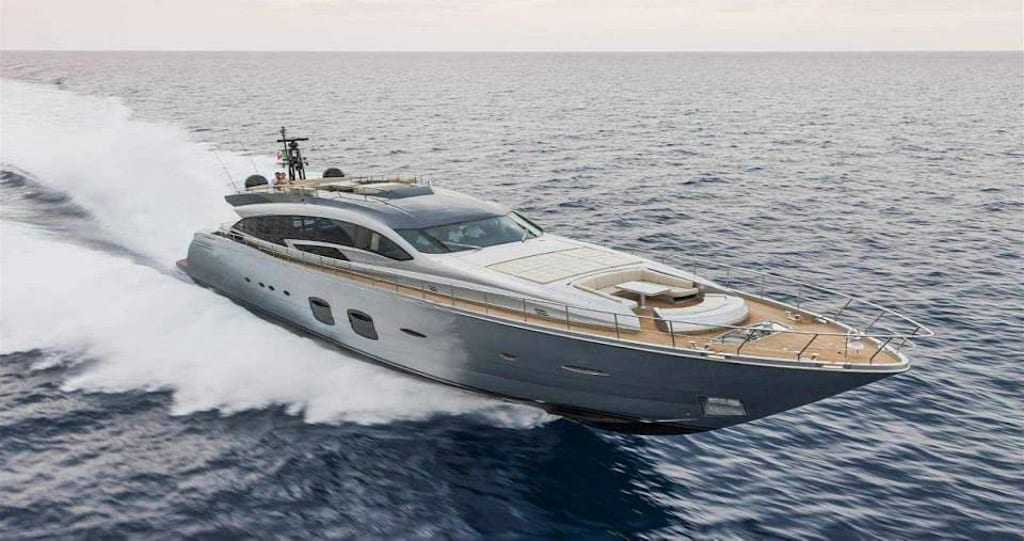
Walk along the edge of Coconut Grove on any given morning and you will notice something that does not quite fit the usual Miami narrative. No neon. No crowds. Just water, and boats, and a particular kind of quiet that the city does not advertise but somehow always delivers when you get close enough to the bay. It is easy, in a city as loud and fast and perpetually reinventing itself as Miami, to forget that underneath all of it — the new towers, the art fairs, the restaurant openings — there is a coastline that has been shaping how people live here for well over a century. And lately, more people are paying attention to it.
The interest in boats for sale in Miami has grown in ways that are genuinely difficult to explain through market logic alone. Yes, South Florida's geography is exceptional. Yes, the weather makes year-round boating possible in a way that most American cities cannot offer. But those facts have always been true. What has changed is something harder to quantify — a shift in what people are actually looking for when they decide to buy a boat in this city, and what they expect that decision to do for their lives.
Miami and the Water Have a Long History Together
This is not a new relationship. Miami grew up facing the sea, shaped by Biscayne Bay on one side and the Atlantic on the other, with the Everglades pressing in from the west like a reminder that nature here does not stay politely in the background. The earliest communities in what is now Miami — Coconut Grove in particular — were built by people who came by water and understood it as a working environment, not a scenic backdrop.
That history matters because it means boating in Miami has never been purely a wealth signifier. Plenty of working fishermen, weekend sailors, and people who simply grew up near the water have been part of this culture for generations. The glamorous side of Miami's marine scene — the superyachts at the Miami International Boat Show, the polished center consoles tied up outside waterfront restaurants in the Grove — exists alongside something quieter and more ordinary. Families who have kept the same old sportfisher running for twenty years. Retirees who spend three mornings a week out on the bay before the afternoon wind picks up. People for whom boating is not a lifestyle statement. It is just Tuesday.
What has shifted recently is that a new layer of buyers has arrived on top of that existing culture — and they are bringing a different set of motivations with them.
The Pandemic Changed Something, and It Has Not Changed Back
It would be convenient to say that the surge of interest in waterfront living was a pandemic phenomenon — something temporary, driven by unusual circumstances, now fading back to normal. But that is not quite what happened. The pandemic accelerated certain tendencies that were already present, and in Miami specifically, those tendencies have proven remarkably durable.
People who relocated to South Florida during 2020 and 2021 — drawn by remote work flexibility, by the desire for more space and more access to outdoor life, by tax considerations — arrived in a city where the water was suddenly and startlingly available to them. Not as a vacation destination. As a Tuesday afternoon. That discovery changed things for a meaningful number of people, and the boat market absorbed some of that energy in ways that have not entirely unwound even as the broader relocation wave has settled.
There is also something worth saying about what boating offers that other forms of outdoor recreation in Miami simply do not. The city's parks are good. The beaches are beautiful and also frequently crowded and difficult to park near and not exactly peaceful. The water — the actual water, out on the bay or running down the Intracoastal or crossing over to the backcountry behind the Keys — offers something genuinely different. Space. Quiet. The particular sensation of being somewhere that the rest of Miami cannot easily follow you.
For a city that has become increasingly dense and increasingly expensive on land, that quality has taken on a new kind of value.
New Boats, Old Boats, and the Decisions In Between
Anyone seriously considering entering the Miami boat market will quickly discover that the range of available inventory is genuinely wide — almost disorienting at first. New boats for sale in Miami run from modest bay boats suited to calm inshore water all the way up to custom offshore sport fishers and large express cruisers built for extended coastal passages. The new vessel market in South Florida is well supplied, partly because manufacturers recognize Miami as one of the country's most active and consistent sales environments, and partly because the city's year-round use patterns mean that buyers here tend to be serious about what they purchase.
Used boats for sale in Miami are a different conversation. The pre-owned market here is deep and constantly refreshed — people upgrade, people relocate, people decide that the boat they bought three years ago is not the boat they actually wanted. For buyers who know what they are looking for, or who are willing to invest in a proper marine survey before committing, the used market in Miami offers real value. For buyers who are less experienced, it requires care. South Florida's climate is hard on vessels that have not been maintained properly. The sun, the salt air, the heat — they do their work quietly and steadily, and the evidence tends to be visible to a trained eye in ways that are not always obvious to a first-time buyer standing on a dock in the afternoon light.
Neither new nor used is categorically the right answer. It depends on the buyer, the intended use, the budget, and honestly, the tolerance for the particular kind of uncertainty that comes with any significant purchase. What Miami offers, at least, is enough inventory across enough price points that most buyers can find something that makes sense — if they are patient and honest about what they actually need.
The Keys Are Right There, and That Changes Everything
One thing that does not get said often enough in conversations about the Miami boat market is how much the Florida Keys change the calculus of ownership here. From a marina in Coconut Grove or Key Biscayne, the upper Keys are a few hours away on a reasonable vessel. Not a weekend trip requiring planning and logistics. A day trip. A spontaneous Thursday.
That proximity matters enormously. The Keys by water are a genuinely different experience than the Keys by road. Islamorada from the water — arriving by boat, anchoring off a beach that is not accessible by car, swimming in water that is clear enough to see the bottom in fifteen feet — is not the same place as Islamorada from US-1. It is quieter, more beautiful, and more honest about what the Florida Keys actually are beneath the tourist infrastructure.
Beyond the Keys, for owners with vessels suited to offshore passage, the Caribbean sits within reasonable reach. The Bahamas are even closer — a day's run from Miami under the right conditions, a destination that rewards multiple visits in a way that few places in the world do. Miami's geographic position at the top of the Florida Straits gives it a maritime reach that almost no other American city can match, and that reach is a real part of what the boat market here is selling, even when nobody says so explicitly.
What the Culture Actually Looks Like From the Inside
From the outside, Miami's boating culture can look intimidating — all gleaming fiberglass and expensive electronics and people who seem to have been doing this forever. From the inside, it is considerably more welcoming than that impression suggests. The marina communities in Coconut Grove, the sailing clubs around the bay, the informal networks of people who share knowledge about anchorages and mechanics and the particular quirks of navigating South Florida's waterways — these are genuinely open communities, and they represent one of the less visible but more valuable aspects of boat ownership in Miami.
There is also a depth of professional support here that matters, particularly for newer buyers. Marine surveyors with decades of South Florida experience. Mechanics who understand what salt air does to electrical systems and how to address it before it becomes a serious problem. Captains available for delivery runs or for teaching new owners how to handle their vessels in conditions that are sometimes more demanding than they look from shore.
For anyone approaching the market seriously for the first time, connecting early with a knowledgeable yacht broker Miami who understands both the local inventory and the realities of boating in South Florida is probably the single most useful step available — not because the market is impossibly complex, but because good guidance at the beginning saves a great deal of time, money, and frustration later.
The Longer View
Miami is a city that has always attracted people chasing something — an idea of warmth and possibility and life lived at a different pace than the places they came from. The water has always been part of that idea, even for people who never acted on it directly. What feels different now is the number of people who are acting on it — who are moving from the vague sense that the water is there and beautiful to the more committed position of actually organizing their lives around it.
That shift does not have a single explanation. It is the product of changed work patterns and changed priorities and a city that has made itself more accessible to a broader range of people than it once was. It is also, simply, the product of the water being extraordinary — genuinely, stubbornly, reliably extraordinary in a way that does not require any particular lifestyle philosophy to appreciate.
The bay at six in the morning. The run down to the Keys on a clear winter day. The particular silence of being anchored somewhere that the noise of Miami cannot reach. These things have always been available to anyone with a boat and the inclination to use it. More people, lately, are choosing to make that their life. And in Miami, of all places, it is hard to argue with the decision.
About the Creator
Robert Lama
Robert Lama is a seasoned yacht broker with Miami International Yacht Sales, a reputable yacht brokerage company specializing in both used and new yachts. https://www.miamiinternationalyachtsales.com/
Enjoyed the story? Support the Creator.
Subscribe for free to receive all their stories in your feed.
Comments
There are no comments for this story
Be the first to respond and start the conversation.