
What Mega Yacht Ownership Actually Demands Beyond the Purchase Price
Understanding the hidden realities behind one of the world's most complex luxury assets

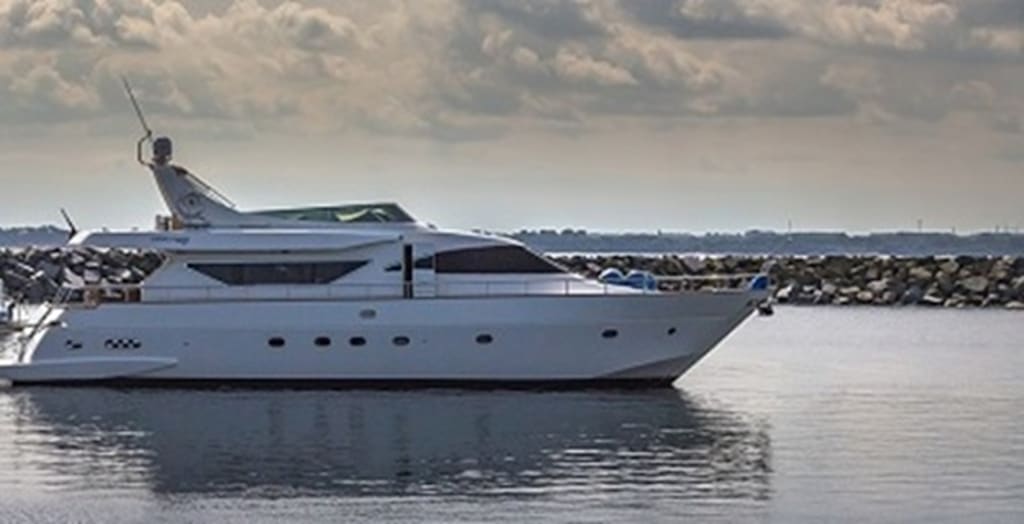
Few luxury assets capture public imagination quite like a mega yacht. Images of expansive decks, private suites, ocean crossings, and exclusive destinations have made large yachts enduring symbols of wealth and success. News headlines frequently highlight record-breaking yacht sales, high-profile owners, and extraordinary vessel designs, reinforcing the perception that ownership is primarily defined by the ability to afford an exceptionally expensive purchase.
Yet the purchase price represents only one part of a much larger picture.
For many people, the concept of a mega yacht remains distant and somewhat mysterious. While luxury real estate, private aviation, and high-end automobiles are widely discussed, large-yacht ownership operates within a unique ecosystem that combines hospitality, engineering, logistics, operations, international regulation, and long-term asset management. Owning a mega yacht often resembles managing a small business or operating a boutique hotel as much as it resembles owning a luxury possession.
This reality helps explain why interest in mega yachts for sale extends beyond prospective buyers. The topic attracts readers interested in wealth, luxury lifestyles, maritime culture, and the practical realities that exist behind highly visible symbols of affluence. Beyond the impressive specifications and striking photographs lies a complex world that reveals much about modern luxury, global mobility, and the evolving nature of wealth itself.
Understanding what mega yacht ownership actually demands provides valuable insight not only into the vessels themselves but also into the broader responsibilities associated with managing extraordinary assets in today's world.
Why Mega Yachts Occupy a Different Category of Ownership
Many luxury purchases require ongoing maintenance and financial commitment. Homes need upkeep. Vehicles require servicing. Private aircraft involve operating costs and regulatory obligations. Mega yachts, however, occupy a category of their own because of the sheer complexity involved in keeping them operational.
Unlike most luxury assets, a large yacht functions as both a residence and a transportation platform. It contains sophisticated engineering systems, navigation equipment, communication technology, hospitality facilities, power generation systems, water treatment capabilities, and accommodations for guests and crew. Every component must operate reliably in an environment that is constantly exposed to saltwater, weather conditions, and mechanical stress.
As vessel size increases, complexity rises dramatically. A yacht measuring well over 100 feet may include multiple decks, entertainment spaces, guest cabins, technical rooms, and extensive operational infrastructure hidden beneath its polished exterior.
The result is an asset that requires continuous attention rather than occasional oversight. Ownership involves far more than securing a berth and scheduling periodic maintenance. It demands an ongoing commitment to operational management and strategic planning.
This distinction helps explain why mega yachts often attract dedicated management teams. While ownership remains private, day-to-day operations frequently rely on specialized professionals with expertise in maritime regulations, technical systems, staffing, and logistics.
The vessel itself may symbolize luxury, but the infrastructure required to support it reflects a level of complexity rarely associated with other consumer assets.
The Human Infrastructure Behind Every Vessel
One of the least visible aspects of mega yacht ownership is the role of crew and operational personnel.
Public attention typically focuses on yacht design, amenities, and destinations. Yet behind every functioning vessel is a team responsible for navigation, maintenance, hospitality, safety, and guest services. Depending on the yacht's size, this team may include captains, engineers, deck officers, chefs, stewards, hospitality staff, and technical specialists.
In many respects, a mega yacht operates like a floating hospitality environment. Guests expect comfort, safety, and seamless service regardless of location. Delivering this experience requires skilled professionals who often work in highly demanding conditions.
Crew management introduces responsibilities that extend beyond compensation. Recruitment, training, scheduling, compliance, certification requirements, and retention all become important considerations. The larger the vessel, the greater the organizational complexity involved.
This reality often surprises people unfamiliar with the industry. Discussions about luxury ownership frequently focus on assets themselves while overlooking the human expertise required to support them. In the case of mega yachts, professional crews are not optional enhancements; they are essential components of safe and effective operations.
The emphasis on personnel also reflects a broader shift within luxury culture. Increasingly, luxury experiences are defined not only by physical assets but by the quality of service and expertise surrounding them. Mega yachts represent an especially visible example of this trend.
Operating Costs and the Economics of Ownership
The purchase price of a mega yacht tends to attract the most attention, but ongoing expenses often play an equally important role in ownership decisions.
Large vessels require regular maintenance, inspections, repairs, insurance, docking arrangements, fuel, crew compensation, and technical upgrades. These costs continue regardless of how frequently the yacht is used. Unlike some luxury assets that can remain relatively dormant for extended periods, yachts operate in an environment that demands continuous care.
Saltwater exposure alone creates significant maintenance challenges. Corrosion, wear, and environmental conditions require proactive management to preserve both appearance and functionality. Mechanical systems must be serviced regularly, while safety equipment and operational infrastructure require ongoing inspection.
Technological expectations further contribute to operating expenses. Modern owners and guests increasingly expect advanced connectivity, entertainment systems, and onboard amenities comparable to those found in luxury residences and hospitality environments. Maintaining these standards often requires continuous investment.
The economics of ownership therefore extend well beyond acquisition. For many owners, the vessel becomes part of a broader lifestyle infrastructure rather than a standalone purchase. Understanding this distinction is essential when evaluating the realities of mega yacht ownership.
More broadly, these operating costs highlight an important characteristic of wealth management: acquiring an asset is often only the beginning of a much longer financial commitment.
Global Mobility Comes With Global Responsibilities
One reason mega yachts continue to attract attention is their ability to provide extraordinary mobility. Unlike fixed properties, yachts can move between countries, regions, and destinations while offering a high degree of privacy and flexibility.
This mobility, however, introduces additional layers of responsibility.
International maritime regulations, customs procedures, taxation frameworks, environmental requirements, and port regulations vary significantly across jurisdictions. Owners and management teams must navigate a complex regulatory landscape that extends far beyond local laws.
As yachts travel internationally, compliance becomes an ongoing operational priority. Documentation, certifications, inspections, and reporting requirements can differ from one region to another. Maintaining compliance requires specialized knowledge and careful planning.
Environmental considerations have also become increasingly important. The marine industry faces growing scrutiny regarding emissions, sustainability, and environmental stewardship. Yacht builders, operators, and owners are responding with investments in cleaner technologies, more efficient systems, and evolving operational practices.
These developments reflect broader trends across luxury industries. Consumers and regulators alike increasingly expect high-value assets to demonstrate responsible environmental practices. Mega yachts are no exception.
The global nature of yacht ownership therefore involves more than freedom of movement. It requires active engagement with legal, environmental, and operational responsibilities that span multiple regions and jurisdictions.
What Mega Yachts Reveal About Modern Wealth
Perhaps the most interesting aspect of mega yacht ownership is what it reveals about contemporary wealth itself.
Historically, luxury consumption often emphasized visibility and material accumulation. While status remains part of luxury culture, modern wealth increasingly prioritizes privacy, flexibility, experiences, and access. Mega yachts reflect these priorities in distinctive ways.
For many owners, the appeal lies less in public visibility and more in the ability to create controlled environments for family, friends, professional relationships, or personal leisure. The vessel becomes a platform for experiences rather than merely an object of ownership.
This shift mirrors broader trends among high-net-worth individuals. Increasingly, wealth is expressed through lifestyle design rather than simple acquisition. Experiences, convenience, mobility, and time efficiency often carry greater significance than traditional status symbols alone.
Mega yachts also reflect the globalization of wealth. Owners frequently maintain international residences, business interests, and travel schedules. The ability to move between destinations while maintaining consistent comfort and privacy aligns naturally with increasingly global lifestyles.
At the same time, the yacht industry illustrates how modern luxury depends on extensive networks of expertise. Designers, engineers, shipyards, management companies, hospitality professionals, and technical specialists all contribute to the ownership experience.
In this sense, mega yachts serve as examples of how wealth increasingly intersects with complex service ecosystems rather than existing solely through ownership of physical assets.
The Future of Large-Yacht Ownership
As technology, consumer preferences, and global priorities continue to evolve, the future of mega yacht ownership is likely to evolve as well.
Sustainability is expected to play a growing role. Alternative fuels, hybrid propulsion systems, energy-efficient technologies, and environmentally conscious design principles are becoming more prominent within the marine industry. While challenges remain, innovation continues to shape discussions about the future of large-vessel operations.
Digital technology is also transforming expectations. Connectivity, automation, predictive maintenance, and advanced navigation systems increasingly influence both vessel design and operational management.
At the same time, broader cultural trends continue to emphasize experiences over possessions. This does not necessarily diminish interest in ownership, but it may reshape how ownership is perceived. The value of a yacht increasingly lies in what it enables rather than what it represents.
These shifts suggest that the future of mega yacht ownership will involve balancing luxury, responsibility, innovation, and sustainability in new ways. The vessels themselves may remain symbols of extraordinary wealth, but the expectations surrounding them are becoming more sophisticated and multifaceted.
Conclusion
The public perception of mega yachts is often dominated by purchase prices, size rankings, and luxury features. Yet ownership involves far more than acquiring an impressive vessel.
Behind every mega yacht exists a complex ecosystem of personnel, operations, maintenance, regulatory compliance, logistics, and long-term financial commitment. The realities of ownership resemble the management of a highly specialized enterprise as much as the possession of a luxury asset.
Understanding these demands provides a more complete picture of what mega yacht ownership actually entails. It reveals the extent to which modern luxury depends on expertise, infrastructure, and ongoing stewardship rather than simple acquisition.
More broadly, mega yachts offer a fascinating lens through which to examine contemporary wealth. They reflect changing priorities around mobility, privacy, experiences, and lifestyle design while highlighting the increasingly interconnected systems that support modern luxury.
Ultimately, the purchase price may attract attention, but it is the long-term commitment behind ownership that truly defines what a mega yacht represents in today's world.
About the Creator
Robert Lama
Robert Lama is a seasoned yacht broker with Miami International Yacht Sales, a reputable yacht brokerage company specializing in both used and new yachts. https://www.miamiinternationalyachtsales.com/
Enjoyed the story? Support the Creator.
Subscribe for free to receive all their stories in your feed.
Comments
There are no comments for this story
Be the first to respond and start the conversation.