
What Healthcare Leaders Should Know Before Investing in EHR and EMR Systems
Technology can improve healthcare operations, but successful EHR and EMR adoption depends on strategy, people, workflows, and long-term planning.

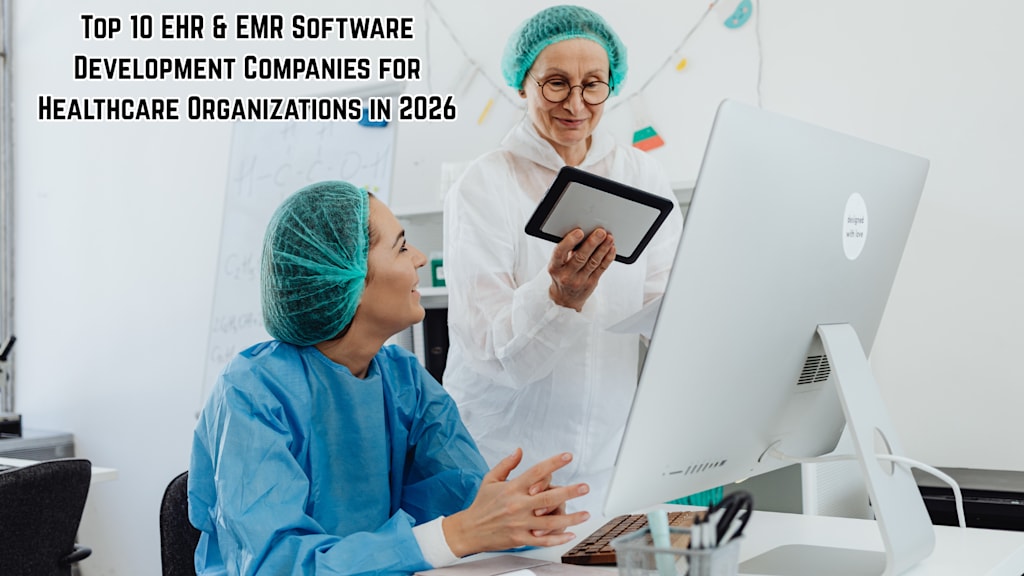
The conversation around Electronic Health Records (EHR) and Electronic Medical Records (EMR) has shifted significantly over the last decade. What was once viewed as a digital alternative to paper charts has become a critical component of healthcare operations. Hospitals, clinics, specialty practices, and healthcare networks now depend on digital records to coordinate care, manage patient information, and support day-to-day decision-making.
Yet despite widespread adoption, investing in an EHR or EMR system remains one of the most challenging technology decisions healthcare organizations face. The software itself is only part of the equation. Implementation, staff adoption, workflow alignment, and long-term maintenance often determine whether a project succeeds or becomes an expensive lesson.
Why Medical Records Became a Technology Challenge
Healthcare organizations generate enormous amounts of information. Every appointment, diagnosis, prescription, lab result, and treatment plan creates data that must remain accurate and accessible.
Paper records made this increasingly difficult as healthcare services expanded. Locating information could take time, records could be misplaced, and collaboration between providers often depended on manual communication.
Digital record systems emerged as a practical solution. They allowed providers to access patient information more quickly and created opportunities for better coordination between healthcare professionals.
However, digitizing records introduced new challenges. Organizations suddenly had to think about cybersecurity, software integrations, user training, and regulatory requirements.
The Difference Between Having Software and Using It Effectively
One common misconception is that implementing an EHR or EMR system automatically improves efficiency.
In reality, many healthcare organizations discover that technology alone does not solve operational problems. If a system does not align with existing workflows, staff members may find workarounds that reduce its effectiveness.
Healthcare professionals already work in fast-paced environments. Adding unnecessary complexity to documentation processes can create frustration rather than efficiency.
Successful implementations often focus as much on people and processes as they do on software functionality.
What Healthcare Organizations Often Overlook
Technology discussions frequently center on features. Decision-makers compare dashboards, reporting tools, scheduling modules, and patient portals.
While these capabilities matter, some of the most important considerations receive less attention.
Data migration is one example. Moving years of patient information from one system to another can be a complex process. Even small inaccuracies may create significant operational issues.
Training is another factor that organizations sometimes underestimate. A sophisticated system only delivers value when healthcare professionals feel comfortable using it in their daily work.
Long-term scalability is equally important. A solution that meets current needs may become restrictive as patient volumes increase or service offerings expand.
The Growing Importance of Interoperability
Patients rarely receive care from a single provider throughout their lives. They may visit primary care physicians, specialists, laboratories, urgent care facilities, and hospitals.
As a result, healthcare organizations increasingly recognize the value of interoperability.
Interoperability refers to the ability of different systems to exchange and use information effectively. When systems communicate efficiently, providers gain a more complete understanding of patient history and treatment plans.
The absence of interoperability often creates information gaps that can affect care coordination and administrative efficiency.
This issue continues to shape discussions around healthcare technology investments.
Security Is No Longer a Technical Concern Alone
Healthcare data remains one of the most sensitive categories of information organizations manage.
Security conversations once focused primarily on IT departments. Today, cybersecurity has become a leadership concern.
Healthcare organizations must think beyond protecting records from unauthorized access. They also need strategies for disaster recovery, employee training, access controls, and ongoing risk management.
The increasing frequency of cyber incidents across industries has reinforced the importance of viewing security as an ongoing process rather than a one-time project.
Why Staff Adoption Determines Success
Technology projects are often evaluated based on implementation milestones. Yet the true measure of success usually appears months after deployment.
- Do physicians use the system efficiently?
- Can nurses access information quickly?
- Has administrative workload improved?
- Are patients experiencing smoother interactions?
These questions often provide more meaningful insights than technical specifications.
Organizations that involve end users early in the planning process frequently experience stronger adoption rates because employees feel that their practical needs have been considered.
Looking Beyond Immediate Return on Investment
Healthcare technology investments are frequently evaluated through the lens of cost savings and operational efficiency.
While financial considerations are important, some benefits are more difficult to measure directly.
Improved communication between providers, better access to patient information, reduced administrative frustration, and stronger patient experiences may not appear immediately in financial reports. However, they often contribute to long-term organizational performance.
Decision-makers who evaluate both quantitative and qualitative outcomes tend to develop a more balanced view of technology investments.
The Future of Healthcare Records
Healthcare technology continues to evolve. Artificial intelligence, predictive analytics, remote patient monitoring, and telehealth services are influencing how organizations manage information and deliver care.
Future record systems will likely become more connected, more intelligent, and more capable of supporting proactive healthcare strategies.
At the same time, the core objective remains unchanged: providing healthcare professionals with accurate information when they need it.
Technology may continue to change, but the importance of effective information management remains constant.
Final Thoughts
Investing in an EHR or EMR system is not simply a software decision. It is an operational decision that affects healthcare professionals, patients, and organizational performance.
The most successful projects typically begin with a clear understanding of workflows, long-term goals, and practical challenges. Organizations that focus on these factors often place themselves in a stronger position to gain meaningful value from their technology investments.
As healthcare continues to evolve, the ability to manage information efficiently will remain one of the defining characteristics of effective healthcare organizations.
About the Creator
Enjoyed the story? Support the Creator.
Subscribe for free to receive all their stories in your feed.
Comments
There are no comments for this story
Be the first to respond and start the conversation.