
What a Personal Fashion Stylist in Miami Actually Does for High-Net-Worth Clients
Inside the real world of luxury wardrobe strategy, private styling relationships, and elite image management in one of America's most demanding cities

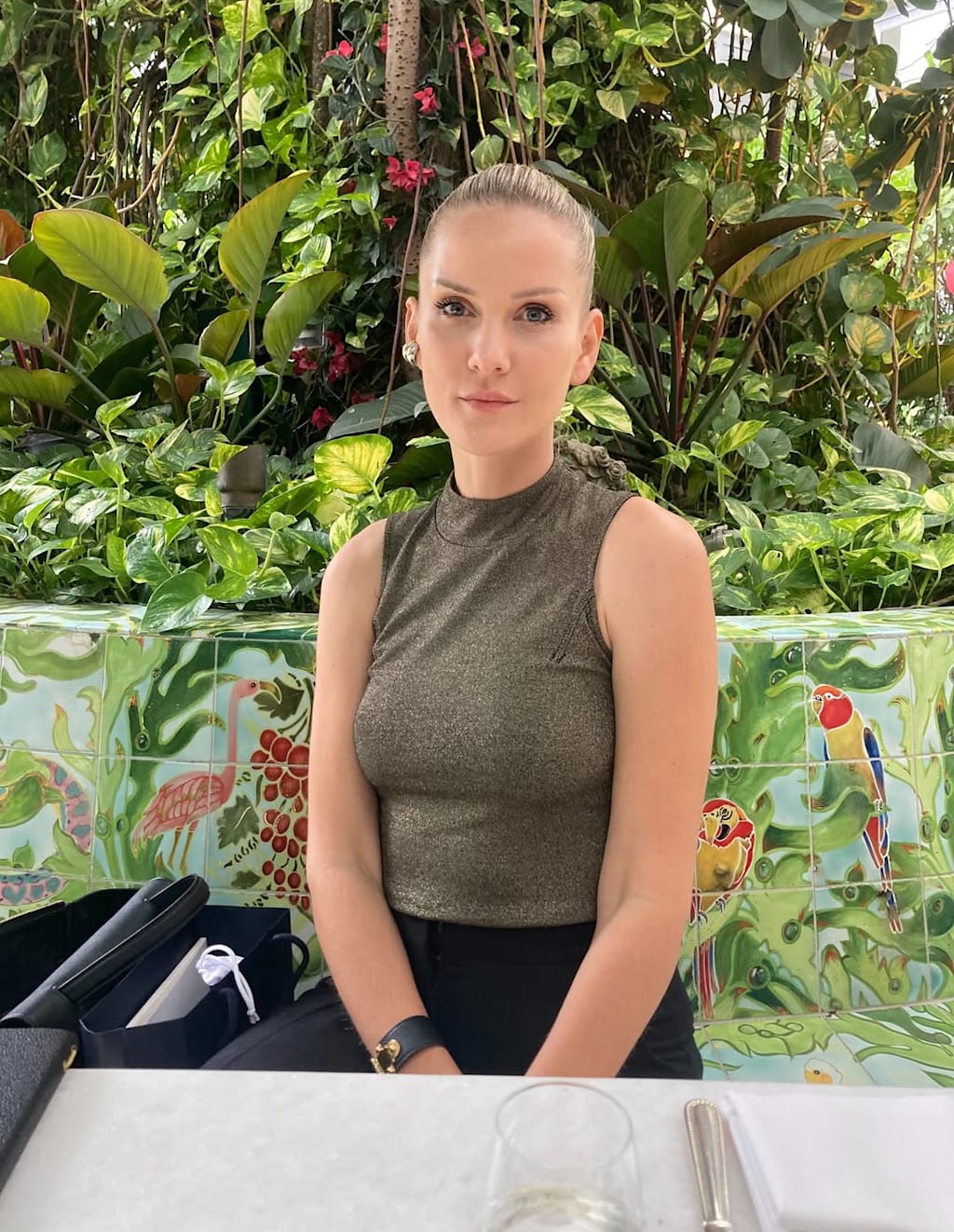
The role of a personal fashion stylist has long been misread by those who have never needed one professionally. For most observers, the title conjures images of celebrities preparing for award ceremonies or influencers coordinating content-ready outfits. But among Miami's high-net-worth and ultra-high-net-worth residents — a population that includes global executives, private equity principals, tech founders, internationally recognized entertainers, and multi-generational family wealth — the fashion stylist in Miami occupies a substantially different and far more rigorous professional position. The work is not about outfits. It is about constructing a coherent, fully functional visual identity that holds up consistently across every dimension of a high-stakes life.
A personal fashion stylist, at the luxury level, is a wardrobe strategist who works with high-net-worth individuals to define their complete style identity, curate an intelligent wardrobe system, oversee garment acquisition and ongoing maintenance, and ensure polished, consistent presentation across every professional, social, and personal context their life demands.
Miami provides a uniquely clarifying lens through which to understand this profession. The city holds a genuinely distinctive position in the American fashion landscape — it is simultaneously a global business center, a luxury resort destination, an international cultural crossroads, and one of the country's most active and visible social environments. That combination generates wardrobe complexity that no conventional approach can resolve, and it is precisely that complexity that makes the work of an elite personal fashion stylist so relevant, and so in demand, in this particular city.
Reframing What a Stylist Actually Is
The most persistent misconception about personal styling is that its primary function is aesthetic — that clients engage a stylist to be told what looks attractive or fashionable. At the luxury level, this framing misses almost everything that makes the work substantive.
When a stylist works with a senior executive, a prominent business owner, or a high-profile private client in Miami, the engagement begins long before a single garment enters the conversation. It starts with a thorough understanding of the client's professional obligations, social calendar, travel patterns, body, cultural identity, and personal relationship with their own image. A client who divides time between a Brickell penthouse, a coastal property in Palm Beach, a European residence, and continuous international travel requires a wardrobe that performs across climates, cultures, formality registers, and shifting social expectations — all while remaining visually cohesive and personally identifiable. That is a strategic and logistical challenge of real complexity.
The stylist's role is to build what functions as a wardrobe system: a curated, edited collection of pieces that work together across a high number of combinations, eliminate redundancy, and ensure the client can dress confidently and appropriately in any situation without expenditure of time or cognitive energy. For individuals managing multi-sector business interests, high-volume social commitments, and meaningful public visibility, that elimination of daily decision fatigue has genuine professional and personal value that extends well beyond appearance.
This reframing — from aesthetic consultant to wardrobe strategist — is not semantic. It reflects the actual scope of work delivered at the luxury tier and explains why the most accomplished stylists in this field operate with retainer arrangements, long-term client relationships, and professional standards comparable to those of any trusted senior advisor.
Wardrobe Strategy, Style Identity, and Multi-Residence Planning
The architecture of a luxury styling engagement follows a consistent professional logic, even as its execution varies by client. It typically begins with a comprehensive wardrobe audit — a methodical, honest review of everything the client currently owns, worn with real frequency or not. This process consistently reveals the same pattern: clients with expansive wardrobes have, paradoxically, very little they reach for with confidence. Unstrategic accumulation over time produces volume without versatility, and the audit's purpose is to establish what genuinely functions before introducing anything new.
From that foundation, the stylist works to define and articulate what might best be described as the client's style identity — a distinct, consistent visual language that reflects their personality, values, professional context, and personal sensibility. This is not trend-responsive work. It is closer in nature to brand development: the goal is something coherent, recognizable, and enduring, not something reactive to the seasonal shifts of the fashion calendar.
For clients managing multiple residences — a common profile among Miami's ultra-high-net-worth population — this identity work extends into what practitioners call capsule wardrobe planning for each primary location. The wardrobe maintained in Miami is curated differently from what travels to New York, functions in London, or lives in Aspen. Each environment carries its own formality expectations, climate demands, and social norms, and the stylist's job is to ensure that the client's visual identity remains consistent and polished across all of them without requiring redundant inventory or improvised decisions at each destination.
Event dressing represents another structured component of this work. Miami's social calendar — Art Basel Miami Beach, Miami Fashion Week, Miami Swim Week, the cycle of charity galas, private openings, and high-profile social gatherings that define the city's cultural rhythm — places recurring, specific, and often high-visibility demands on a client's wardrobe. A skilled stylist anticipates these occasions well in advance, coordinates appropriate and distinctive looks for each, and manages the logistics of alterations, fittings, and sourcing with enough lead time to avoid the compromises that last-minute decisions inevitably produce.
Miami's Unique Context: Climate, Culture, and the City's Particular Demands
Understanding why a fashion stylist in Miami operates differently from counterparts in New York, London, or Paris requires understanding Miami's actual character — not just its physical geography, but its social, cultural, and climatic one.
Miami's Design District has matured into one of the most concentrated collections of luxury retail in North America, housing flagship boutiques for the world's most significant fashion houses alongside respected independent luxury labels. Bal Harbour Shops consistently ranks among the highest-grossing retail properties per square foot in the United States, and its clientele represents some of the hemisphere's most discerning luxury consumers. The city is, by any meaningful measure, a genuine fashion market — one that attracts serious international attention from brands that once treated it as secondary.
Yet Miami's tropical climate imposes real constraints that most luxury fashion is not designed with as a primary consideration. The heat, humidity, and intensity of sunlight demand fabrics, silhouettes, and construction standards that perform in conditions European luxury brands typically design around, not for. A stylist working at the highest level in Miami must reconcile the formality and elegance of international luxury fashion with the practical demands of a subtropical environment — sourcing and recommending pieces that hold their structure, photograph correctly under strong light, and feel as appropriate at an evening function in Coconut Grove as they do at a Brickell board presentation or a waterfront dinner in Miami Beach.
This challenge is compounded by the city's extraordinary cultural composition. Miami's high-net-worth population is notably international — shaped significantly by Latin American and Caribbean influences, with a substantial presence of Brazilian, Venezuelan, Argentine, Colombian, and European clients who each bring their own cultural relationship to dress, formality, and personal presentation. A stylist operating at the luxury level in this market must demonstrate genuine cultural fluency, understanding the differences in how formality is read, how color is carried, and how personal style is expressed across those distinct cultural frameworks. This is not a skill that translates automatically from other American cities.
The UHNWI Relationship: Discretion, Private Access, and Retainer Partnerships
The professional relationship between a luxury stylist and a high-net-worth client is structured in ways that bear little resemblance to conventional notions of the service. It is not a series of individual shopping appointments or periodic consultations booked as needed. At the level of genuine luxury personal styling, it functions as a sustained retainer relationship — one that operates continuously and evolves alongside the client's life, rather than being activated for specific occasions.
Discretion is not a secondary consideration in this relationship — it is a foundational professional standard. The stylist's access to a client's wardrobe is, in practical terms, access to a significant dimension of their private life. What a person owns, how they prepare for specific events, which aspects of their appearance they are attentive to or uncertain about — these are genuinely private matters that require handling with the same level of confidentiality expected of legal counsel or financial advisors. Stylists who operate at this level understand this implicitly and build their entire practice around it.
This expectation shapes logistics in tangible ways. Private fittings in the client's home or residence, after-hours boutique access arranged through established brand relationships, in-home wardrobe appointments coordinated around the client's schedule, and virtual consultations for clients managing travel — these are not premium extras. They are the standard operating mode, designed around the reality that high-profile individuals cannot and should not be exposed in public shopping environments. The stylist's ability to manage these arrangements seamlessly and invisibly is itself a component of the service being delivered.
Many established luxury stylists also maintain active professional relationships with designers, brand representatives, private showrooms, and high-end consignment sources, providing clients early access to collections before they reach the general market, facilitating private appointments with designers, and securing rare or limited pieces through networks that are simply unavailable to individual consumers. This access reflects years of industry relationship-building and represents one of the more tangible professional advantages a stylist with genuine credentials and an established practice brings to the engagement.
Seasonal updates are another structural component of the retainer relationship. As collections shift, as the client's life and professional context evolve, and as certain pieces age or no longer serve their intended function, the stylist manages the wardrobe's ongoing refinement — adding pieces that strengthen the system, retiring those that no longer fit it, and maintaining the coherence and functionality of the whole.
What Clients Actually Gain: Time, Confidence, and Access
The outcomes most commonly cited by high-net-worth individuals who work with luxury personal stylists fall into three categories that, taken together, explain why the engagement tends to become a permanent feature of their lives rather than a one-time experiment.
Time is the first and most immediately measurable return. For individuals managing business operations, investment portfolios, board memberships, family obligations, and active social lives, the hours spent on wardrobe decisions — shopping, deliberating, managing garment logistics — are hours with high opportunity cost. The elimination of those decisions, through a wardrobe system that has already been thoughtfully built to handle every context the client regularly encounters, is a practical efficiency that compounds over time.
Confidence is the second, and it operates on a level that is professionally consequential rather than merely personal. The research literature in organizational psychology is consistent on the relationship between dress and performance — both in how individuals are perceived by others and in how they perform themselves. A wardrobe that has been built with intention, that fits correctly, that is maintained to a standard, and that has been calibrated to the specific professional and social environments a client inhabits produces a level of consistent confidence that improvised or unstrategic dressing cannot. For executives, this consistency of presence is a meaningful professional asset.
The third category — access — is perhaps the most exclusive in practice. The private appointments with designers, the early access to limited pieces, the relationships with the best tailors and alterations specialists in the market, the knowledge of which boutiques in Bal Harbour or the Design District maintain the right inventory for a given client's profile — these are not things that can be purchased directly. They are the accumulated product of years of professional engagement with the industry, and they transfer, in practical terms, to the client who retains the stylist who has built them.
Common Misconceptions About Personal Styling at the Luxury Level
Several durable misconceptions continue to obscure how luxury personal styling is actually understood and used among the populations that rely on it most seriously.
The most persistent is that personal styling is primarily a service for women, and particularly for women in entertainment or public-facing roles. In reality, the male executive and entrepreneur market for luxury styling has grown significantly in Miami and comparable cities over the past decade. Men managing international business relationships, navigating the formality ambiguity that Miami's relaxed-but-visible culture creates, and presenting at the level their professional standing demands have come to recognize that wardrobe management is a professional matter, not a personal indulgence. The same logic that leads a senior executive to retain a communications advisor or a personal trainer applies to the decision to work with a stylist.
A second misconception is that the service is appropriate only for those who are uncertain about their own taste or style. Many luxury styling clients have strong and well-developed aesthetic preferences — they engage a stylist not to be told what they like, but to ensure that what they like is executed consistently, strategically, and at the highest level of quality. The stylist's value in this context is operational and logistical as much as aesthetic.
A third, more subtle misconception is that luxury personal styling is essentially equivalent to high-end personal shopping — that the core function is acquisition. In practice, the best luxury styling relationships involve as much editing, restraint, and strategic retention of existing pieces as they do new purchases. The goal is a wardrobe system that works, not one that is simply extensive or expensive.
Identifying a Truly Luxury-Tier Stylist
For those considering engaging a personal fashion stylist in Miami, the distinction between a luxury-tier practitioner and a generalist service provider is meaningful and worth understanding. It is not primarily a question of price, though pricing at the luxury level reflects the genuine scope of what is being delivered. It is a question of professional depth, discretion, access, and relational longevity.
A stylist operating at the level appropriate for high-net-worth and ultra-high-net-worth clients will typically demonstrate a clear and articulated methodology — a structured approach to defining style identity and building wardrobe systems — rather than offering styling as a loosely defined creative service. They will have an established track record working with clients of comparable profile and lifestyle complexity, references available through appropriate channels, and a professional practice built around confidentiality and bespoke service delivery.
They will also have demonstrable industry access: relationships with brands, showrooms, and boutiques that translate into tangible advantages for clients. And they will communicate, from the earliest conversations, a clear understanding that the engagement is a long-term partnership rather than a transactional service — one that requires time, trust, and genuine professional commitment on both sides to function at the level it promises.
In a city like Miami, where personal presentation carries real social and professional weight, where the fashion market is sophisticated, and where the client profile is genuinely demanding, these distinctions matter. The right stylist is not the most visible one, or the most active one on social media, but the one whose practice, track record, and professional standards are aligned with what a high-net-worth individual's life actually requires.
Conclusion
The work of a fashion stylist in Miami, at the level where it operates most seriously, is a professional discipline in every meaningful sense. It combines deep knowledge of fashion, fabric, and construction with cultural fluency, strategic thinking, logistical management, and the kind of sustained interpersonal trust that develops only through long-term professional relationships built on demonstrated discretion and consistent results.
For Miami's high-net-worth and ultra-high-net-worth population — a group navigating some of the most complex wardrobe demands of any major American city — the personal stylist is not a luxury add-on to a well-managed life. The evidence, and the growing sophistication of the market, increasingly suggests they are a standard feature of one.
About the Creator
Elsab Styling
At ElsaB Styling, we specialize in providing bespoke, high-end personal styling services for high-net-worth individuals, CEOs, executives, and VIPs.
Enjoyed the story? Support the Creator.
Subscribe for free to receive all their stories in your feed.
Comments
There are no comments for this story
Be the first to respond and start the conversation.