
Unlocking the Mystery: What Is Mixing in Music and Why Does It Matter?
Music and Why Does It Matter?
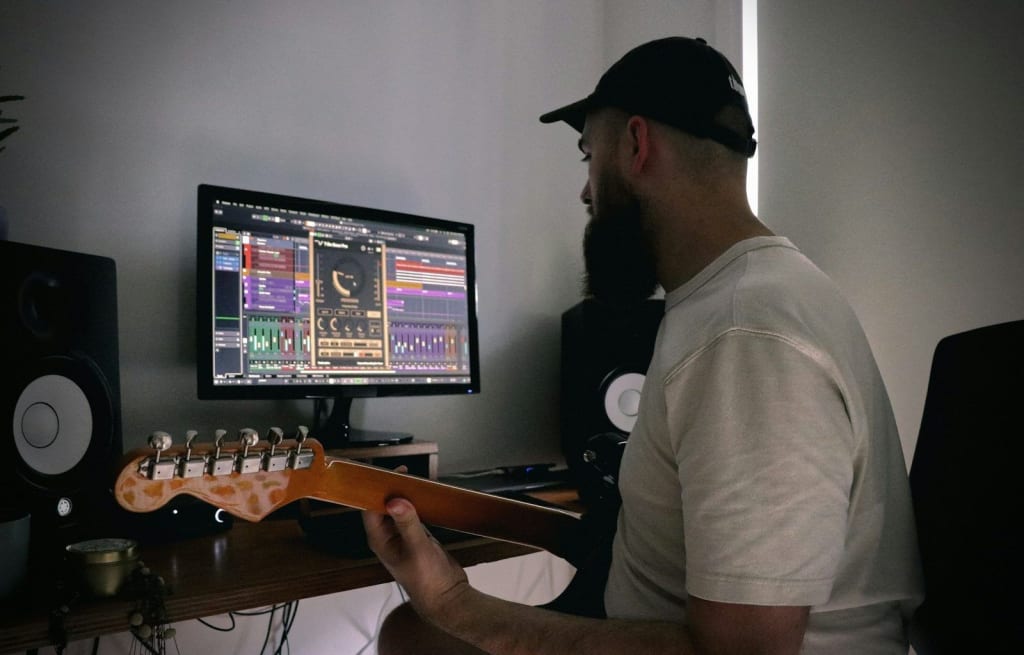
Music is a universal language, and while most listeners may focus on the melody, rhythm, or lyrics, there is an unsung hero behind every polished track: mixing. The process of mixing in music transforms raw recordings into a cohesive masterpiece. Whether you’re a musician, producer, or a curious music lover, understanding what mixing in music entails can deepen your appreciation for the art form. Mixing is more than just tweaking levels—it’s a creative and technical process that brings a song to life. In this article, we’ll explore the nuances of mixing, its role in music production, the challenges it presents, and how modern tools make it an accessible craft for creators at all levels.
What I Mixing in Music?
Mixing is the art and science of blending individual audio tracks into a final stereo or multichannel format. It involves balancing levels, panning instruments, applying effects, and ensuring clarity in every element of a song. A well-mixed track sounds polished and emotionally impactful, creating a listening experience that draws the audience in. Mixing bridges the gap between recording and mastering. While recording captures the raw sounds and mastering prepares the finished track for distribution, mixing refines the music and ensures all its elements work together harmoniously.
The Role of Mixing in Music Production
Mixing plays a critical role in the overall production process, helping to shape a track's sound and bring the artist's vision to life. A well-executed mix allows each instrument and vocal to occupy its own space in the sonic landscape.
Balancing the Tracks
Balancing is the foundation of mixing. It ensures that no single element dominates or disappears. For example, the lead vocals are often the star of the show, but they need to coexist with drums, bass, guitars, and other elements without overpowering them.
Creating Spatial Depth
Panning helps place sounds in different positions within the stereo field, giving the track dimension. For example, guitars might be placed slightly to the left, while synths are positioned on the right. This creates a more immersive and engaging listening experience.
Adding Dynamics Through Effects
Effects like reverb, delay, and compression are vital tools for enhancing a mix. Reverb adds a sense of space and ambiance, while delay can create rhythmic echoes or widen the sound. Compression ensures that volume levels remain consistent, adding energy and punch.
Shaping the Frequency Spectrum
Equalization (EQ) adjusts the tonal balance of individual tracks. It ensures that low frequencies, such as bass and kick drums, don’t clash while also providing clarity for mid-range and high-end elements like vocals and cymbals.
Enhancing Emotional Impact
Ultimately, mixing supports the emotional message of the song. For example, a dramatic ballad may require lush reverb and soft dynamics, while a high-energy dance track might need punchy compression and crisp high frequencies.
The Tools of Mixing in Modern Production
In today’s music industry, mixing relies heavily on a combination of hardware and software. Digital Audio Workstations (DAWs) like Logic Pro, FL Studio, and Ableton Live serve as the primary platforms for mixing. These programs provide powerful tools for editing, arranging, and applying effects. Mixing engineers also use plugins to enhance tracks with EQ, compression, reverb, and more. Additionally, studio monitors and headphones are crucial for ensuring the mix translates well across different playback systems.
The History and Evolution of Mixing
Mixing has evolved significantly over the decades. In the analog era, engineers worked on large mixing consoles, manually adjusting levels, and patching in external equipment. This process required immense skill and precision. Today, digital technology has revolutionized mixing by offering flexibility and precision. Engineers can work on multiple versions of a mix, automate processes, and use virtual tools to replicate analog effects.
Challenges in Mixing and How to Overcome Them
Mixing is as challenging as it is rewarding. Here are some common obstacles and ways to address them:
Frequency Clashes
When instruments occupy similar frequency ranges, the mix can become muddy. Using EQ to carve out space for each element can resolve this issue.
Overuse of Effects
Too much reverb or delay can make a mix sound washed out. Applying effects subtly and sparingly can preserve clarity.
Listening Fatigue
Working on a mix for too long can dull your ears. Taking breaks and listening with fresh ears can help maintain objectivity.
Playback Consistency
A mix might sound great in the studio but fall apart on other devices. Testing the mix on various speakers and headphones ensures it translates well.
Tips for Aspiring Mixing Engineers
For those looking to master mixing, here are some valuable tips:
Study the Pros: Listen to well-mixed songs and analyze their characteristics.
Practice Regularly: The more you mix, the more refined your skills will become.
Use Reference Tracks: Comparing your mix to a professionally mixed track in the same genre can help guide your process.
Embrace Experimentation: Don’t be afraid to try unconventional techniques to achieve a unique sound.
The Collaborative Nature of Mixing
Mixing is often a collaborative effort between the engineer, artist, and producer. Communication is essential to ensure the mix aligns with the creative vision. A skilled engineer not only brings technical expertise but also listens to the artist’s goals and provides constructive feedback.
Conclusion
Mixing in music is an intricate process that combines technical skill and artistic expression. From balancing levels to enhancing emotional impact, mixing shapes the way we experience music. The next time you enjoy your favorite track, remember the countless hours spent perfecting its mix. Whether you’re an aspiring engineer or a passionate listener, understanding mixing can deepen your connection to the art of music.
Related Articles:
For further reading, explore these related articles:
.how much do artists make per stream
.what does it mean to be verified on instagram
.when do you start receiving money from youtube
For additional resources on music marketing and distribution, visit Deliver My Tune.
About the Creator
Enjoyed the story? Support the Creator.
Subscribe for free to receive all their stories in your feed.
Comments
There are no comments for this story
Be the first to respond and start the conversation.