
Understanding Brake Replacement: A Guide for Mississauga Drivers
Brakes are one of the most critical safety components of any vehicle. Whether you drive through the bustling streets of Mississauga or take long road trips, keeping your braking system in top condition is essential. This guide will walk you through everything you need to know about brake replacement to ensure a safe and smooth driving experience.
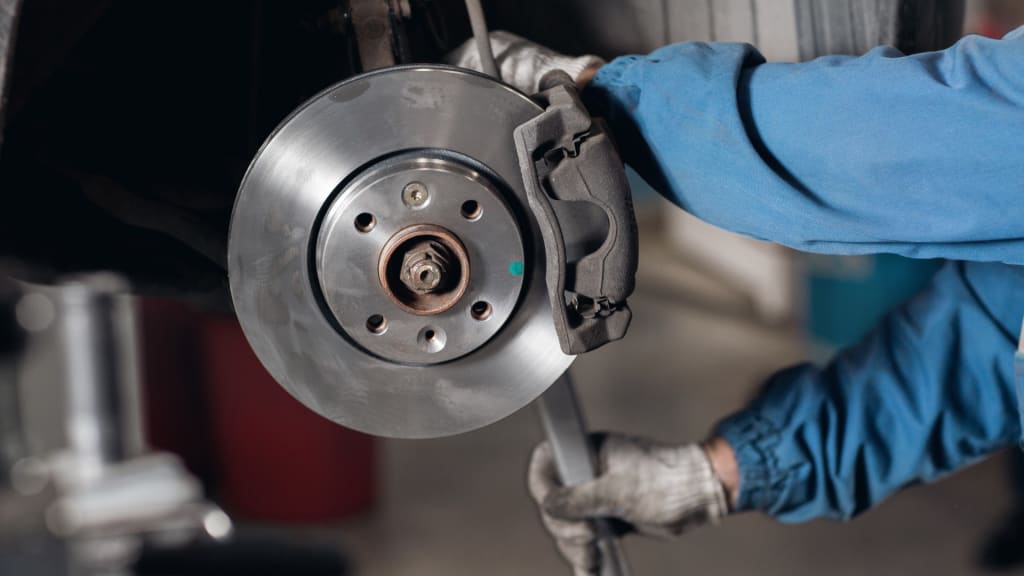
Brakes are one of the most critical safety components of any vehicle. Whether you drive through the bustling streets of Mississauga or take long road trips, keeping your braking system in top condition is essential. This guide will walk you through everything you need to know about brake replacement to ensure a safe and smooth driving experience.
Why Are Brakes So Important?
The braking system is responsible for stopping your vehicle safely. brake replacement Mississauga ON properly functioning brake system can prevent accidents, especially in emergencies. Worn-out or damaged brakes not only compromise safety but can also lead to costly repairs if ignored for too long. Regular maintenance and timely brake replacement are crucial to avoid these risks.
Signs That Your Brakes May Need Replacement
Identifying the warning signs of brake issues early can save you time, money, and stress. Here are some common indicators:
1. Unusual Sounds
Squealing, grinding, or screeching noises when applying the brakes often indicate worn brake pads. This noise occurs because the metal backing of the brake pad is coming into contact with the rotor.
2. Reduced Responsiveness
If your brakes feel less responsive or the pedal sinks to the floor, it could signal a problem with the brake fluid or air in the brake lines.
3. Vibrations
Feeling vibrations or pulsations in the brake pedal when you apply the brakes may indicate warped rotors, which can result from overheating.
4. Warning Lights
A lit brake warning light on your dashboard is a clear indication that your brake system needs attention. Don't ignore this vital alert.
What Does a Brake Replacement Involve?
A brake replacement is not as simple as swapping out old parts for new ones. It involves a series of steps to ensure the braking system functions effectively:
Inspection: Mechanics first inspect the brake pads, rotors, calipers, and other components to determine the extent of wear or damage.
Replacement of Brake Pads: Worn-out brake pads are replaced with new ones to restore braking efficiency.
Rotor Resurfacing or Replacement: Rotors may need to be resurfaced or replaced, depending on their condition.
Brake Fluid Check: Mechanics often check and, if necessary, replace the brake fluid to ensure proper hydraulic pressure.
Testing: The entire system is tested to verify it’s functioning correctly before the vehicle is returned to you.
How Often Should Brakes Be Replaced?
The frequency of brake replacement varies depending on several factors, including driving habits, road conditions, and the type of vehicle. On average:
Brake Pads: Should be replaced every 30,000 to 70,000 kilometers, depending on usage.
Rotors: Typically last longer than brake pads but may need replacement or resurfacing after 50,000 to 100,000 kilometers.
Brake Fluid: Should be replaced approximately every two years or as recommended in your vehicle’s owner manual.
Regular inspections are the best way to determine the condition of your brakes.
The Impact of Mississauga Driving Conditions on Brakes
Mississauga’s urban environment, with its frequent stop-and-go traffic, can accelerate brake wear. Additionally, driving on hilly terrain or in winter conditions can put extra strain on the braking system. Here’s how:
Traffic Congestion: Frequent braking in heavy traffic increases wear on brake pads.
Weather: Salt and moisture during winter can lead to rust and corrosion of brake components.
Road Conditions: Potholes or rough roads can cause damage to the braking system over time.
Tips to Extend the Life of Your Brakes
While brake wear is inevitable, you can take steps to prolong the lifespan of your braking system:
1. Drive Smoothly
Avoid abrupt stops and rapid acceleration. Gradual braking reduces wear on brake pads and rotors.
2. Avoid Overloading
Carrying excessive weight in your vehicle can strain the braking system. Remove unnecessary items to lighten the load.
3. Regular Maintenance
Schedule routine brake inspections and follow your vehicle’s maintenance schedule to catch issues early.
4. Use Engine Braking
When driving downhill, shift to a lower gear to let the engine help slow the car, reducing the reliance on brakes.
DIY vs. Professional Brake Replacement
Some car enthusiasts may consider replacing their brakes themselves. While this is feasible for those with mechanical experience, there are risks involved:
- Pros of DIY
- Cost savings on labor
- Satisfaction of completing the work yourself
- Cons of DIY
- Requires specialized tools
- Risk of improper installation
- No professional inspection of other brake components
For most drivers, seeking professional assistance is the safest and most reliable option.
Final Thoughts on Brake Replacement in Mississauga
Brakes are your vehicle’s most vital safety feature, and ensuring they’re in excellent condition is non-negotiable. Mississauga drivers face unique challenges that can accelerate brake wear, making regular inspections and timely replacements essential. By staying informed and proactive, you can enjoy safer journeys and avoid costly repairs in the long run.
About the Creator
Enjoyed the story? Support the Creator.
Subscribe for free to receive all their stories in your feed.
Comments
There are no comments for this story
Be the first to respond and start the conversation.