
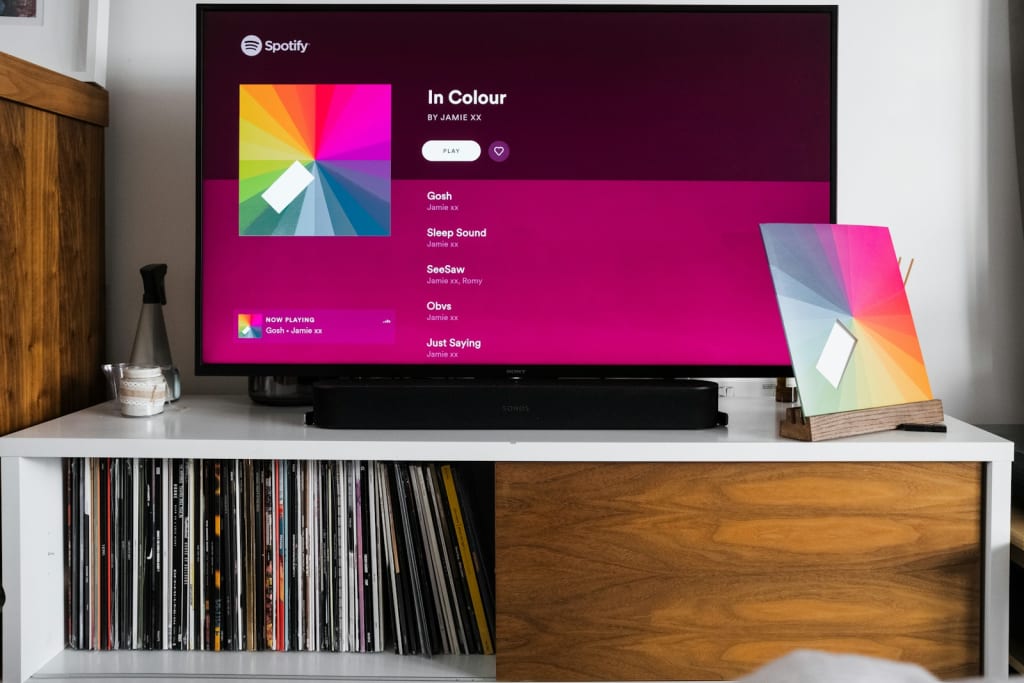
The way people consume music has undergone drastic changes over the decades. From vinyl records to cassette tapes, CDs, and now digital streaming, each phase has defined how listeners engage with their favorite artists and songs. In recent years, technological advancements, cultural shifts, and the proliferation of streaming platforms have created an entirely new music consumption landscape. With this rapid evolution, one can’t help but wonder: what’s next? This article explores the current trends shaping the future of music consumption and what listeners and industry professionals can anticipate moving forward.
The Dominance of Streaming Platforms
Streaming platforms have cemented their place as the primary medium for music consumption. Services like Spotify and Apple Music make it possible for fans to access millions of tracks with the tap of a finger. Among these, Spotify has become a leader, particularly with its curated lists like the Spotify top 100 artists, which serve as a benchmark for industry success.
One notable trend is the shift towards algorithm-driven personalization. Streaming platforms are becoming adept at analyzing user preferences to deliver highly customized playlists. As this technology evolves, listeners can expect even more tailored experiences, such as mood-based playlists and real-time adjustments to their music feed.
Additidnally, platforms like Amazon Music have emerged as serious competitors by offering unique features. For example, Amazon Music for Artists provides creators with tools to track their streaming performance, offering insights into fan demographics, listening trends, and more.
Interactive Tools and Search Innovations
Another emerging trend is the use of interactive tools that enhance user engagement. One such tool gaining popularity is the ability to search music by humming. This innovative feature allows users to find songs simply by humming or singing a melody. By leveraging artificial intelligence, platforms are making it easier than ever for users to identify tracks that they might not know the name of, eliminating one of the biggest frustrations in music discovery.
These developments represent a growing desire for immediacy and convenience in music consumption. As AI and voice recognition improve, it’s likely that voice-activated searches and smart assistant integration will play an even larger role in how users interact with their music libraries.
The Role of Music Charts in a Streaming Era
Music charts have always been a critical measure of an artist’s success. However, the way charts are compiled has evolved significantly in the digital age. The IFPI Global Artist Chart 2020 is one example of how charts are now heavily influenced by streaming data, global reach, and fan engagement rather than solely album sales.
This shift reflects the global nature of music consumption today. Fans in one part of the world can now propel a local artist to international stardom simply by streaming their music in high volumes. This phenomenon has created an environment where artists from diverse cultural backgrounds can achieve global recognition faster than ever before.
Furthermore, platforms like Spotify and Amazon Music have developed their own proprietary charts, providing artists with additional opportunities to track their progress and strategize their growth.
The Influence of Record Labels
While streaming platforms dominate the conversation, record labels continue to play a pivotal role in music consumption. Labels like RCA Records have adapted to the changing landscape by focusing on digital promotion and streaming strategies for their artists. With a rich roster of RCA Records artists, the label has been instrumental in promoting some of the biggest names in the industry.
Record labels are also leveraging data analytics to better understand audience preferences and predict trends. This data-driven approach enables them to develop marketing campaigns that resonate with listeners on a deeper level. As the industry continues to evolve, record labels will likely focus on forming closer partnerships with streaming platforms to maximize their artists’ exposure.
Social Media and Music Consumption
Social media platforms like TikTok, Instagram, and YouTube have emerged as powerful tools for discovering and consuming music. TikTok, in particular, has become a launchpad for viral hits, with many songs gaining massive popularity through dance challenges and trends. This has led to a new era of music marketing, where short, catchy snippets can drive millions of streams and catapult unknown artists to fame.
YouTube, too, remains a key player in music consumption, offering both audio and visual content. Music videos, live performances, and behind-the-scenes footage allow fans to connect with their favorite artists on a more personal level.
Social media has also amplified fan engagement, enabling artists to communicate directly with their listeners. This two-way interaction creates a stronger sense of connection, fostering loyalty and increasing music consumption across platforms.
The Rise of Niche Genres and Global Diversity
Another trend shaping the future of music consumption is the rise of niche genres and the growing appreciation for global music diversity. Streaming platforms have made it easier for fans to explore genres outside the mainstream, from lo-fi hip-hop and indie folk to Afrobeat and K-pop. The accessibility of these genres has also encouraged collaborations between artists from different parts of the world, creating a more interconnected music ecosystem.
Global charts like the IFPI’s highlight how diverse the music landscape has become. With artists from various cultures gaining international recognition, it’s clear that the barriers between local and global music markets are dissolving.
Conclusion
The evolution of music consumption reflects the ever-changing intersection of technology, culture, and human creativity. From personalized streaming experiences and global charts to innovative search tools like search music by humming, the industry is more dynamic than ever. As fans, we play a crucial role in shaping these trends through our listening habits and support for artists.
What trends do you think will define the next decade of music consumption? Share your thoughts in the comments below!
About the Creator
Enjoyed the story? Support the Creator.
Subscribe for free to receive all their stories in your feed.
Comments
There are no comments for this story
Be the first to respond and start the conversation.