
Transforming Small Spaces into Functional Music Rooms
Music room
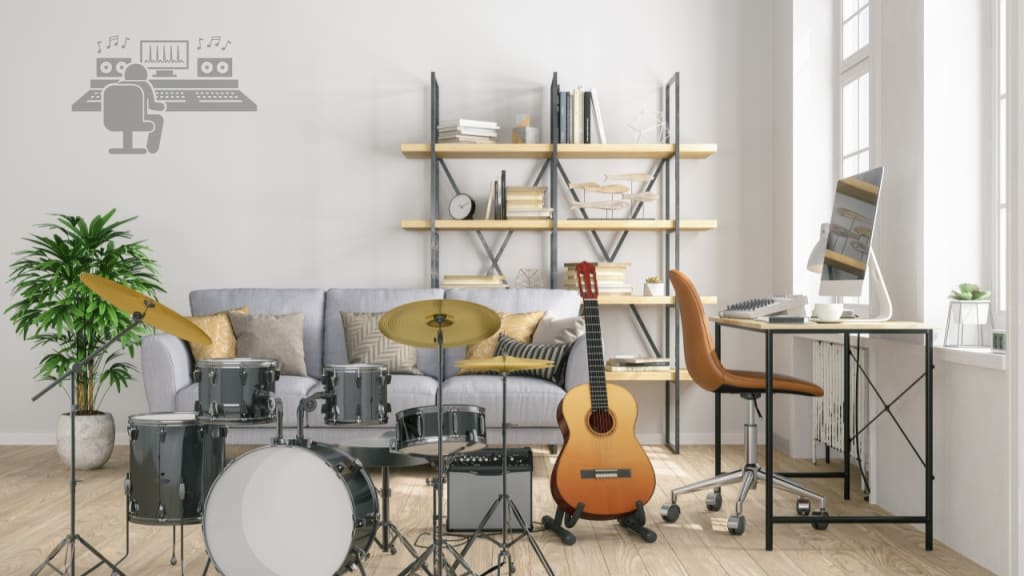
Creating a music room in a small space might seem like a daunting challenge, but with the right planning and creativity, it can become a cozy and inspiring sanctuary. Whether you're a musician, a music enthusiast, or simply someone looking to carve out a dedicated space for relaxation and creativity, small spaces can be turned into functional music rooms without compromising on style or utility. This guide explores practical strategies to make the most of limited areas while ensuring that your music room is both functional and aesthetically pleasing.
1. Choosing the Right Location
When space is limited, selecting the right location for your music room is crucial. A corner of your living room, an unused nook under the stairs, or even a closet can be transformed into a vibrant music space. Consider spaces that are relatively quiet and away from heavy foot traffic. For instance, basements and attics, though small, often offer the seclusion needed for practicing or recording music.
If you're sharing your home with others, look for locations where sound leakage is minimal or easily manageable with some soundproofing solutions. A strategic choice of location ensures that the space becomes a haven for uninterrupted musical activities.
2. Smart Furniture Choices for Small Spaces
In a small music room, every piece of furniture must earn its place. Opt for multifunctional furniture to save space and maximize utility. For example:
Foldable Desks: Perfect for setting up laptops, mixers, or sheet music when needed and folding away when not in use.
Wall-Mounted Shelves: These free up floor space and can hold books, recording equipment, or decorative items.
Storage Ottomans: Double as seating and storage for smaller instruments or accessories.
Compact seating like stools or stackable chairs can also help maintain a spacious feel while providing comfort.
3. Acoustic Considerations in Tight Spaces
Acoustic treatment is a fundamental part of creating a music room, even more so in small spaces where sound can bounce unpredictably. Consider the following acoustic adjustments:
Soft Furnishings: Rugs, curtains, and upholstered furniture absorb sound and reduce echoes.
Acoustic Panels: Mounting these on walls and ceilings enhances sound quality while adding a modern aesthetic.
Bass Traps: Particularly effective for corners, these reduce low-frequency distortion in the room.
Even in a compact setting, small acoustic tweaks can make a huge difference in sound clarity and overall experience.
4. Maximizing Storage Solutions
A clutter-free music room is essential for fostering creativity, especially in smaller spaces. Smart storage solutions can keep your instruments and accessories organized without overwhelming the room:
Vertical Storage: Use wall hooks or mounted racks to store guitars, ukuleles, or even headphones.
Under-Desk Drawers: Store sheet music, cables, and other small accessories in sleek drawers that fit under your work desk.
Modular Shelving: Adjustable shelves can be tailored to fit instruments of different sizes.
These solutions not only keep the space tidy but also make instruments easily accessible, encouraging more spontaneous practice sessions.
5. Small Space Design Tips
Design plays a pivotal role in transforming a tight area into a functional and inspiring music room. Here are some effective design tips:
Light Colors and Mirrors: Use light-colored walls and strategically placed mirrors to create an illusion of space.
Compact Lighting: Choose adjustable wall-mounted lights or LED strips to illuminate specific areas without taking up floor space.
Minimalist Décor: Focus on a clean and simple design that reduces visual clutter and keeps the room focused on its purpose.
By integrating these elements, even the smallest music rooms can feel open, organized, and inviting.
6. Selecting the Right Instruments and Gear
When working with a small music room, the size and placement of instruments and gear play a critical role in optimizing the space:
Compact Instruments: Portable keyboards, digital drum kits, and smaller-sized guitars are excellent choices for limited spaces.
Stackable Equipment: Amplifiers, mixers, and speakers that can be stacked or mounted reduce the need for additional shelving or tables.
Wireless Technology: Using Bluetooth-enabled instruments and speakers minimizes cable clutter.
These selections not only fit comfortably within small spaces but also enhance functionality and efficiency.
7. Soundproofing for Small Music Rooms
One of the biggest challenges in creating a music room in a small space is managing noise levels. Whether you live in an apartment or share your home with others, soundproofing can help maintain harmony:
Door and Window Seals: Use weatherstripping or door sweeps to block sound leakage through gaps.
Heavy Curtains: These double as sound absorbers and stylish décor.
DIY Soundproof Panels: Using inexpensive materials like foam and plywood, you can create effective sound barriers.
By investing in soundproofing, your small music room can become a private retreat for uninterrupted creativity.
8. Incorporating Personal Touches
A music room is not just a functional space—it’s also a personal sanctuary. Infuse your personality into the room to make it truly yours:
Custom Art and Décor: Hang posters of your favorite bands or add framed sheet music as wall art.
Thematic Color Schemes: Choose colors that reflect your musical preferences or energy.
Mood Enhancers: Add elements like scented candles or mood lighting to create a warm, welcoming atmosphere.
Personal touches ensure the space is not just practical but also emotionally engaging.
9. Maintaining Flexibility in the Space
Small spaces often serve multiple purposes, so it’s essential to keep the music room adaptable. Use modular furniture and mobile equipment that can be easily rearranged or repurposed. For example:
Rolling Carts: Store gear and move it as needed.
Stackable Storage: Allows for quick adjustments when hosting guests or reorganizing the room.
Portable Partitions: Can create a sense of separation when needed without permanently altering the space.
This flexibility ensures that the music room evolves with your needs.
Conclusion
Creating a music room in a small space requires careful planning, creativity, and a focus on maximizing functionality without sacrificing comfort or style. By choosing the right location, optimizing storage, and incorporating personal touches, you can transform even the tightest corner into a dynamic and inspiring music haven. With thoughtful design and the right tools, small spaces can offer big possibilities for musical expression. Whether you're a budding artist or a seasoned musician, your compact music room can become the heart of your home—a space where creativity flows freely and inspiration thrives.
About the Creator
SEO 5
Music Enthusiast | Industry Insider | Vocal Media Contributor
Passionate about sharing insights on the latest trends, emerging artists, and the evolving landscape of the music industry.
Enjoyed the story? Support the Creator.
Subscribe for free to receive all their stories in your feed.
Comments
There are no comments for this story
Be the first to respond and start the conversation.