
Transform Your Spare Room into a Small Home Music Studio
Home Music Studio
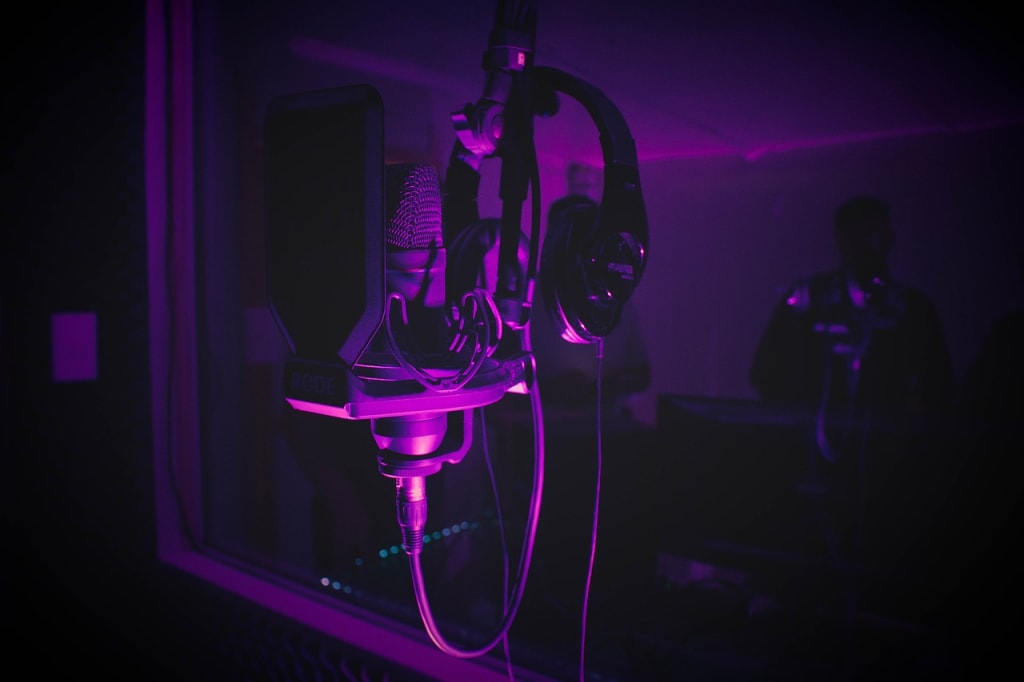
Creating a small home music studio is a dream for many music enthusiasts, but it doesn't have to remain just a dream. With a bit of creativity, smart planning, and budget-friendly solutions, you can turn any spare room into a fully functional music haven. Whether you're an aspiring artist, a passionate hobbyist, or a professional producer, this guide will walk you through everything you need to know about setting up your small home music studio.
Step 1: Define Your Studio's Purpose
Before diving into the setup, it's crucial to identify what you’ll primarily use the space for. Will it be for recording vocals, mixing and mastering tracks, or practicing live performances? If you're a singer, you might also be interested in performing at an open mic night to showcase your talent. Having a clear goal will help you choose the right equipment and layout.
For example, if you’re someone who loves creating romantic tracks and often searches for 100 percent love songs free download, then your studio might prioritize tools for vocal recording and mixing love-themed music. If, on the other hand, you focus on electronic or instrumental music, your equipment needs will differ.
Step 2: Choose the Right Room
Your choice of room can greatly impact the sound quality. Look for a space that is:
Isolated from noise.
Easy to control acoustically (e.g., fewer windows, solid doors).
If you’re working in a smaller space, prioritize soundproofing and consider multifunctional furniture to maximize the room’s potential.
Step 3: Essential Equipment for a Small Home Music Studio
Setting up a small home music studio doesn’t mean you need to break the bank. Here’s a list of must-have items:
Computer or Laptop: A reliable computer is the heart of any music studio. Choose one with enough RAM and processing power for music production software.
Digital Audio Workstation (DAW): DAWs like Ableton, FL Studio, or Pro Tools help you create, edit, and mix music. If you’re learning how to mix vocals or download beats, this is where the magic happens.
Audio Interface: Connects your instruments and microphones to your computer, ensuring high-quality sound.
Studio Monitors and Headphones: Invest in good-quality monitors and headphones for accurate sound playback.
Microphone: A good condenser microphone is essential for recording vocals or acoustic instruments.
Pop Filter: Reduces plosive sounds (like “P” and “B”) when recording vocals.
Soundproofing Materials: Use foam panels, bass traps, and diffusers to enhance room acoustics.
If you’re recording romantic ballads or covers of popular chorus songs lyrics, a high-quality microphone and pop filter will be indispensable.
Step 4: Optimize Your Studio Layout
Since you’re working with limited space, efficient organization is key:
Place your desk against a wall, preferably in the center, to optimize sound balance.
Keep cables tidy with clips or organizers to avoid clutter.
Use shelves or wall mounts to store equipment.
Consider setting up a small corner for vocal recording if you focus on singing. This can be especially useful if you’re preparing tracks to share at open mic events or if you're experimenting with lyrics for chorus songs.
Step 5: Incorporate Technology for a Seamless Experience
Technology has made it easier than ever to access resources for your small home music studio. For instance, platforms like SoundCloud offer a wealth of tracks and beats that can inspire your creations. If you’re wondering how to download music from SoundCloud, you can use built-in download options (when available) or third-party tools, provided it aligns with copyright laws.
Having access to free resources like 100 percent love songs free download can be a great way to experiment with mixing and mastering. These tracks can also serve as practice material for learning different production techniques.
Step 6: Create a Comfortable Atmosphere
Don’t underestimate the importance of creating a space where you feel comfortable and inspired. Add personal touches such as:
Mood lighting to set the tone.
Posters of your favorite artists or lyrics from beloved chorus songs.
Plants or décor that reflect your personality.
If you’re a singer-songwriter, this cozy atmosphere will make it easier to pen heartfelt lyrics or rehearse for an open mic performance.
Step 7: Stay Inspired and Keep Learning
Your small home music studio isn’t just a space for creation—it’s also a space for growth. Explore online tutorials on mixing and mastering, experiment with different genres, and never stop improving. For instance, if you’re into producing love songs, downloading 100 percent love songs free can help you understand the structure and emotional depth of romantic tracks.
Also, try participating in open mic nights to test your music in front of a live audience. You can even record your performances and analyze them later in your studio to refine your skills.
Conclusion
A small home music studio is more than just a workspace—it’s a personal sanctuary where creativity thrives. By making thoughtful choices about equipment, layout, and inspiration sources like 100 percent love songs free download, you can create a space that suits your unique needs. Combine your passion with smart use of technology (like knowing how to download music from SoundCloud) and continually draw inspiration from popular chorus songs lyrics or local open mic events.
With determination and a bit of planning, your dream studio is within reach. So, start building your perfect setup and let the music flow!
About the Creator
Enjoyed the story? Support the Creator.
Subscribe for free to receive all their stories in your feed.
Comments
There are no comments for this story
Be the first to respond and start the conversation.