
The Watchers in Ancient Sumerian Texts Examined Through Science and History
Between Gods and Humans: The Role of the Watchers in Ancient Sumer

Origins and Terminology
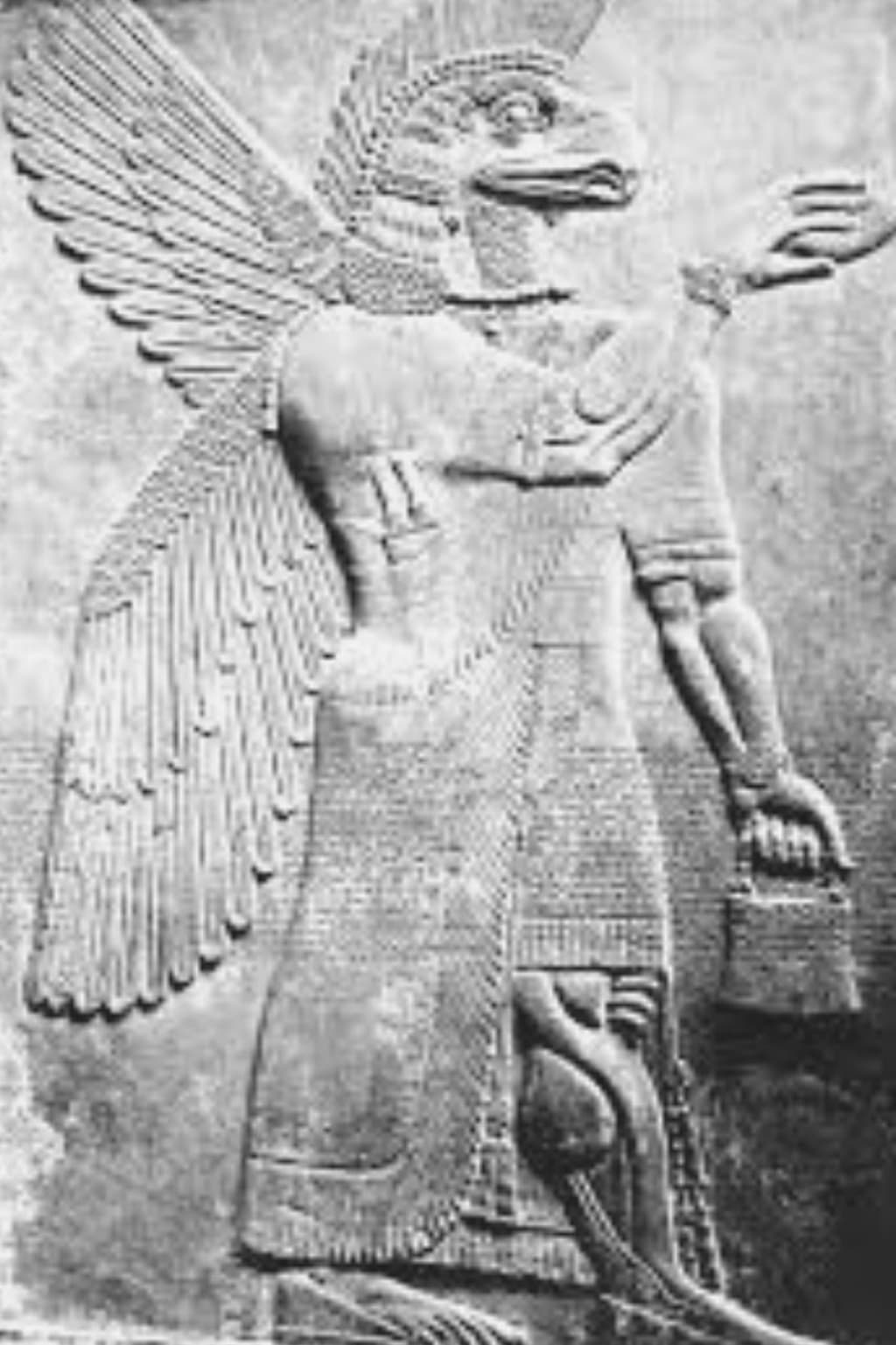
Mysterious watchers - divine or near-divine entities - appear first in ancient Mesopotamia, especially within Sumerian and Akkadian tales. Instead of mere myth, they emerge from scholarly work like Amar Annus’ 2010 study on the origin of these figures. Far from ordinary spirits, they connect to the Apkallū, sage-like beings before the great flood. Though part human, part god, their role shaped early cultures through guidance handed down from higher powers. While not creators themselves, knowledge flowed through them into cities rising along riverbanks.
Before the flood, beings called Apkallū appeared in Sumerian writings. These figures - known in Akkadian as apkallu - often showed up part-fish, linked to water realms beneath the earth. Dwelling in the Abzu, a deep source of fresh waters ruled by Enki (or Ea), they carried knowledge like gifts. Not quite human, yet guiding humans still. Through them came early skills: how to write, heal bodies, build structures. Wisdom flowed where land met hidden seas.
Shared Themes in Jewish and Ancient Near Eastern Stories
From time to time, the idea of the Watchers shows up strong in ancient Jewish writings full of visions, especially in 1 Enoch. These beings were once divine but came down to our world, joined with women, bringing forth giant offspring known as Nephilim. Some researchers - Amar Annus among them - suggest these Watcher tales twist an older Babylonian model: instead of wise guides like the Apkallū, they become rule-breakers whose actions harmed humankind. Where the earlier spirits taught knowledge, these figures bring disorder through forbidden acts.
Out of step like this might point to friction beneath Mesopotamian and Jewish worldviews. Though Apkallū earned honor as wise guides, Enochic Watchers drew blame - teaching metalwork, war tactics, things that bent human behavior downward. Flip through any tradition and you’ll find old stories bending, reshaped to draw lines around who we are and what counts as right.
Archaeological and Textual Clues
Among ancient records, a stone slab carved around 2600 BCE stands out - the Sumerian King List. This piece speaks of leaders before the flood, possibly tied to beings known as Apkallū. Rulers on it held power for impossible spans; take Alulim, said to have governed nearly thirty thousand years. Such numbers point less to fact, more to legend. Perhaps these names honored ancestors raised to godlike status - part mortal, part spirit. Their stories live between worlds.
From ancient sites like Nippur and Ur come clay writings filled with songs, prayers, and long tales where the Apkallū appear. One such tale - the myth of Adapa - follows a thoughtful figure from Eridu, among the earliest urban centers, given insight by Enki though kept from eternal life by Anu. Seen by many as an Apkallū, he stands between what people can know and what remains beyond reach, shaped by gods above him.
The Watchers And How Civilizations Changed
The Watchers/Apkallū are frequently associated with the foundations of Sumerian civilization, including:
Some say gods - or near-gods - gave cuneiform to people around 3200 BCE, at least that is how stories in Mesopotamia tell it.
Farming tools like the plow arrived through the wisdom of the Apkallū, who carried divine knowledge. Watering fields began with guidance whispered down from sacred beings. These methods came slowly, shaped by those said to walk between earth and sky.
From around 2100 BCE, the Code of Ur-Nammu stands as an early set of laws - possibly shaped by those said to be taught by gods. Though ancient, its rules might trace back to beings believed to carry wisdom from beyond.
Under stars, they counted in sixties - Sumerian minds shaped math long ago. Their sky charts grew sharp, maybe guided by Apkallū wisdom drifting through time. Numbers unfolded in cycles, tied deep to constellations above.

Scientific Interpretations
Modern scholars approach the Watchers/Apkallū from multiple perspectives:
Wisdom figures like the Watchers might mirror ancient ideas about help from beyond, guiding people forward. These beings could stand for early teachers who brought knowledge when civilization was young. From another angle, they reflect how Sumerians saw growth as shaped by higher forces. Their stories give shape to unseen mentors in human development. Not quite gods yet still powerful, such characters mark moments where insight changed lives.
Long ago, certain people might have inspired the tales of Apkallū - figures like first rulers or holy men shaping life in ancient Sumer. These stories may simply shift how past leaders were recalled across generations.
From ancient times, these beings gave reason for deep understanding that seemed beyond humans. They quietly lifted up temple keepers by tying them to hidden teachings said to come from above. Their presence made sacred instruction feel earned rather than invented.
Cross-Cultural Comparisons
Out there beyond Mesopotamia, similar watcher-like figures appear. These echoes show up elsewhere too - linked by themes rather than names
Back in ancient Egypt, gods known as Netjeru could step in much like shadows - called Sheut - to carry messages or influence. These unseen forces didn’t always act separately; often one blurred into the other. Not quite identical, yet working in ways that felt oddly alike. Moments of power or change might come through either a god's will or a person’s shadowy echo. Neither was fully explained - they just were, part of how things moved behind the visible world.
Fire taken by Prometheus from the gods reached human hands, much like what the Apkallū once did. Forbidden wisdom flows through both figures, though told in separate lands. One defied Olympus; others rose from ancient river dreams. Each taught what was meant to stay hidden. Knowledge given changed people forever. Not gifts of flame alone - but insight - shaped their fate.
From ancient Hindu stories come Deva beings - wise guides who share knowledge through Vedic verses. In those same old teachings, Asura figures show a different path, often testing balance between insight and pride. Over in Buddhist thought, another kind of helper appears - the Bodhisattva - who stays near people, offering quiet wisdom instead of power.
Criticism and Controversies
Fascination surrounds the Watchers and Apkallū, yet how they’re understood stirs disagreement among scholars
Not everything labeled ancient myth fits neat categories. Take those ideas floating around about the Anunnaki - figures from old Mesopotamian stories occasionally tied to the Watchers - as actual space travelers, pushed by writers like Zecharia Sitchin with his 12th Planet theory. Yet experts who study early writings see such views differently. Their take? These are flawed readings, built on picking and twisting lines from clay tablet inscriptions. Meaning gets lost when translation choices serve a story instead of evidence.
Nothing has been dug up showing the Watchers ever walked here. These beings live inside writings and pictures carved long ago instead of facts found underground. What remains comes from old pages rather than proof beneath soil.
Conclusion
Out beyond gods and mortals stood those old watchers - Apkallū, Anunnaki, name them what you will - shifting shape between heaven's edge and earth. From these tales grew ideas about how wisdom began, where cities came from, why humans matter in the vast sky-order. Though today’s labs find no proof they walked among us, their echoes still hum inside Mesopotamia’s voice across time.
About the Creator
Lynx👑
I'm thrilled to be a part of the vocal.media community. Writing has always been my passion, and I'm excited to share my stories.
Enjoyed the story? Support the Creator.
Subscribe for free to receive all their stories in your feed.
Comments
There are no comments for this story
Be the first to respond and start the conversation.