
The Visual Grandeur of Sanjay Leela Bhansali’s Cinema
The Visual Grandeur of Sanjay Leela Bhansali’s Cinema
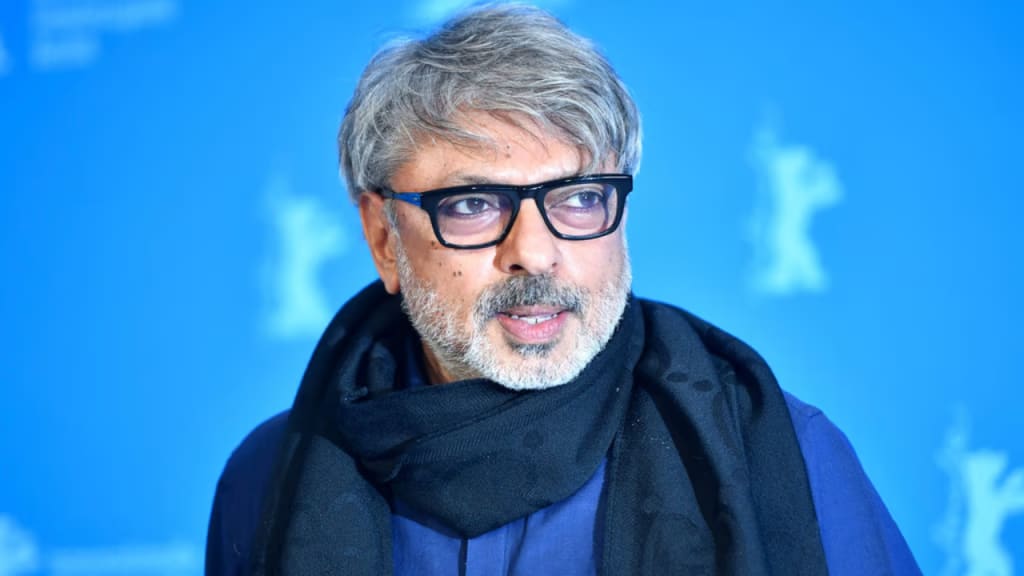
In the vast and dynamic landscape of Indian cinema, a few names rise above the rest, leaving an indelible mark on the industry. One such name is Sanjay Leela Bhansali - a filmmaker whose dedication to storytelling, artistic vision, and unrelenting pursuit of perfection have cemented his legacy as one of the most influential figures in Bollywood. Known for his larger-than-life sets, emotionally charged narratives, and soulful music, Bhansali has redefined what it means to create cinema that is not just watched but felt.
From his directorial debut in Khamoshi: The Musical (1996) to his magnum opuses like Bajirao Mastani and Padmaavat, Bhansali has consistently pushed the boundaries of storytelling and production, setting new benchmarks for the industry. His films are more than just movies; they are cultural phenomena that reflect the essence of Indian heritage, emotion, and grandeur.
The Bhansali Aesthetic: Where Art Meets Storytelling
One of the most defining aspects of Bhansali's work is his unique aesthetic. He doesn't just direct films; he orchestrates an immersive experience that blends art, music, and narrative into a seamless whole. His attention to detail is unparalleled, as evident in his meticulous set designs, costumes, and cinematography.
Take Devdas (2002), for example. The film's opulent sets, including Chandramukhi's kotha and Paro's mansion, became iconic symbols of cinematic artistry. Every frame was a painting, every costume a masterpiece. Bhansali's films often use visual elements to complement and elevate the story. Whether it's the sweeping deserts of Padmaavat or the vibrant courtyards of Bajirao Mastani, his use of light, color, and composition creates a visual language that captivates audiences worldwide.
Beyond the visuals, Bhansali's dedication to authenticity is evident in his storytelling. His narratives often delve into themes of love, betrayal, and sacrifice, making his characters and plots relatable yet profound. Films like Hum Dil De Chuke Sanam (1999) and Black (2005) showcase his ability to handle complex emotions with sensitivity, resonating deeply with audiences.
Pioneering Grand Historical Dramas
Bhansali's most celebrated works are arguably his historical dramas, where he blends factual events with artistic liberty to craft stories that are both educational and entertaining. Bajirao Mastani (2015) and Padmaavat (2018) are prime examples of this genre, where he brought forgotten chapters of Indian history to life with grandeur and emotional depth.
In Bajirao Mastani, Bhansali explored the life of Peshwa Bajirao I and his relationship with Mastani, a Muslim warrior princess. The film's sweeping battle scenes, intense drama, and unforgettable music made it a cinematic triumph. Similarly, Padmaavat wove a tale of valor and sacrifice, immortalizing the legend of Rani Padmavati with visually arresting sequences and powerful performances.
These films not only broke box-office records but also initiated conversations about Indian history and culture. Bhansali's commitment to showcasing India's rich past has elevated him to the status of a cultural ambassador through cinema.
A Musical Maestro: Bhansali's Dual Talent
While his directorial prowess is widely recognized, Bhansali's talent as a music composer often flies under the radar. His musical compositions are as emotionally evocative as his storytelling. Tracks like Deewani Mastani (Bajirao Mastani), Ghoomar (Padmaavat), and Mohe Rang Do Laal (Bajirao Mastani) are not just chart-toppers but enduring pieces of art that have become part of India's cultural fabric.
Bhansali's ability to seamlessly integrate music into his films enhances the emotional resonance of his narratives. His songs don't just complement the story - they drive it forward, making them integral to the cinematic experience. His soundtracks often blend classical Indian instruments with contemporary arrangements, creating timeless melodies that transcend generations.
Redefining Female Characters in Bollywood
Another notable aspect of Bhansali's filmmaking is his portrayal of women. His female characters are strong, multi-dimensional, and central to the narrative. In Devdas, Paro and Chandramukhi defy societal norms to assert their identities. In Padmaavat, Rani Padmavati embodies courage and dignity, while in Gangubai Kathiawadi (2022), Bhansali narrates the story of a woman's rise to power in a patriarchal society.
By focusing on their resilience, vulnerabilities, and aspirations, Bhansali has redefined the portrayal of women in Indian cinema. His characters are not mere accessories to the male protagonists but are, in many cases, the driving force of the story.
Global Recognition and Legacy
Sanjay Leela Bhansali's work has not only captivated Indian audiences but also garnered international acclaim. Films like Devdas were showcased at prestigious festivals like Cannes, and his contributions to cinema have been recognized with multiple awards, including National Film Awards and Filmfare trophies. His ability to bridge the gap between Indian tradition and global appeal has made him a cultural icon.
Bhansali's storytelling also resonates deeply on digital platforms like Spotify, where his soundtracks attract millions of listeners globally. This accessibility has introduced his artistry to a new generation of fans, ensuring that his legacy continues to grow.
Conclusion: The Eternal Legacy of a Visionary
Sanjay Leela Bhansali is not just a filmmaker; he is an artist whose canvas is the silver screen. His films transcend entertainment, offering viewers a deeply emotional and immersive experience. By merging the traditional with the modern, the grand with the intimate, Bhansali has carved a unique niche in the world of cinema.
His influence on Indian cinema is unparalleled, inspiring both audiences and aspiring filmmakers. As he continues to create, one can only anticipate what new masterpieces he will bring to life. For fans and cinephiles alike, Bhansali's work is a testament to the power of storytelling, proving that cinema, at its best, is an art form that speaks to the soul.
About the Creator
MusicVerse
Lets dive into the world of music.
Enjoyed the story? Support the Creator.
Subscribe for free to receive all their stories in your feed.
Comments
There are no comments for this story
Be the first to respond and start the conversation.