
The Spectrum of Vessels Available in Miami — From Day Boats to Superyachts
How Miami's marine market reflects one of the most diverse and active boat-buying landscapes in the world

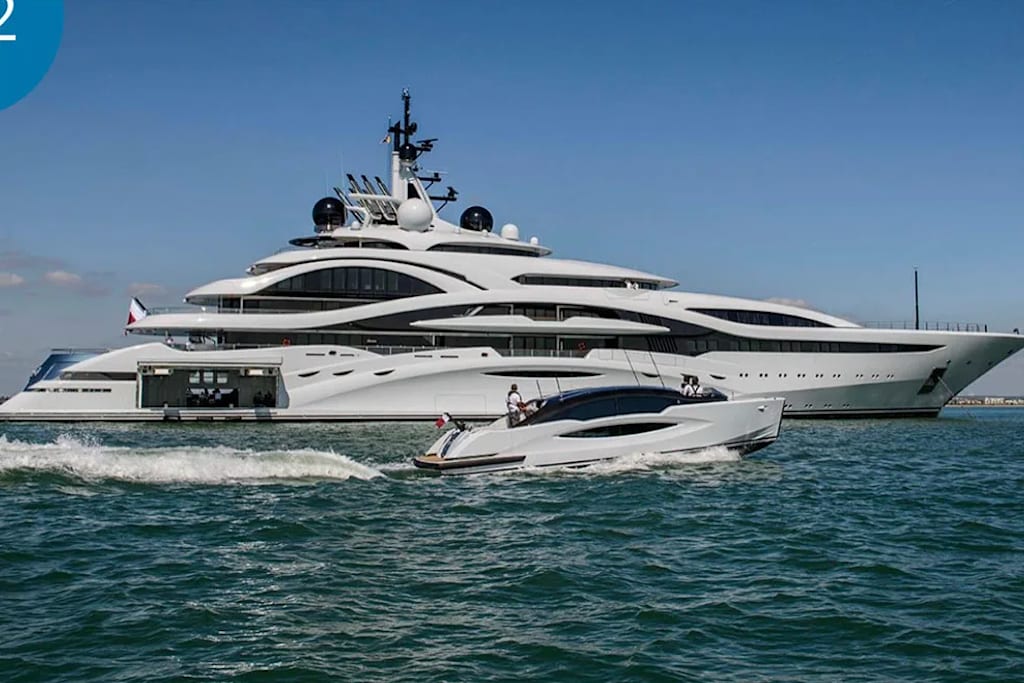
Few cities in the United States have a relationship with the water quite like Miami's. The combination of geography, climate, and cultural character has made maritime life genuinely central to how residents and visitors experience the city — not as an occasional leisure activity, but as a consistent and meaningful part of how life is organized here. The waterways that surround and thread through Miami are not decorative backdrops. They are functional, social, and in many cases, economically significant environments that shape daily routines in ways that are difficult to fully appreciate from land.
This relationship with the water has produced one of the most active and diverse marine markets in the country. The range of vessels that change hands in Miami on any given year spans a spectrum that is genuinely unusual — from compact, nimble day boats suited to weekend use on Biscayne Bay, to multi-deck superyachts representing some of the most sophisticated and expensive recreational vessels in the world. Understanding that spectrum, and the market dynamics that sustain it, offers a revealing window into how Miami functions as a maritime city and what makes it such a distinctive environment for anyone with a serious interest in boat ownership.
The Day Boat Market and Entry-Level Ownership
At the accessible end of Miami's marine market sits a broad and active category of vessels designed primarily for short-range, casual use. Day boats — a general term covering center consoles, bowriders, deck boats, and smaller pontoon-style craft — represent the highest volume segment of the local market and the most common entry point for first-time buyers.
The appeal of this category in a Miami context is fairly straightforward. Biscayne Bay, the intracoastal waterway, and the network of channels and sandbanks that surround the city offer exceptional day-use conditions without requiring an owner to manage a large or complex vessel. A well-equipped center console in the 22- to 28-foot range provides enough capability for fishing, sandbar visits, island hopping to destinations like Stiltsville or the Bahamas on a calm day, and general recreational use — while remaining manageable for owners who do not maintain a full-time crew.
The center console, in particular, has become almost synonymous with South Florida boating culture. Its open layout, practical utility, and adaptability to both fishing and social use make it well suited to the informal, outdoor-oriented leisure lifestyle that defines much of Miami's waterfront culture. Manufacturers including Boston Whaler, Contender, Regulator, and Yellowfin maintain strong presences in the local market, and the resale ecosystem for quality used center consoles in Miami is among the most liquid in the country.
Pricing in this segment reflects the volume and competition of the market. Well-maintained used vessels in the 25- to 35-foot range trade across a wide band depending on age, brand, engine configuration, and included equipment — but the relative abundance of inventory in Miami generally keeps values in line with national benchmarks, and buyers in this category benefit from a deep pool of options across both private sales and established dealerships.
Mid-Range Vessels and the Move Toward Greater Capability
Between the entry-level day boat market and the rarefied world of large yachts lies a substantial and sophisticated middle segment — vessels in the 35- to 65-foot range that offer meaningfully expanded capability, comfort, and range without crossing into the operational complexity of true superyacht territory.
This segment is perhaps the most diverse in terms of vessel type and intended use. Express cruisers and flybridge motor yachts dominate here, offering the kind of onboard amenities — enclosed salons, multiple cabins, full galleys, and substantial deck space — that support overnight and extended cruising rather than pure day use. For Miami-based owners, this capability opens up itineraries that are genuinely compelling: the Florida Keys, the Bahamas archipelago, Cuba for those with appropriate permissions, and the broader Caribbean are all within practical reach for a well-found vessel in this size range.
Sport fishing represents another significant thread in this market segment. Miami has a long and serious sport fishing culture, and the local market reflects strong demand for dedicated offshore fishing vessels — Viking, Hatteras, Bertram, and custom Carolina-style boats among them — that combine serious offshore capability with the comfort and range required for multi-day fishing expeditions. The waters south and east of Miami, including the Gulf Stream, offer some of the most productive offshore fishing in the Atlantic, and vessels designed to access those fisheries form a distinct and active market category.
Sailing yachts occupy a quieter but consistent niche within this mid-range segment. Miami's wind conditions and proximity to the Bahamas make it a natural base for offshore sailing, and the local market supports a steady trade in bluewater-capable cruising sailboats — both monohulls and catamarans — from builders like Beneteau, Jeanneau, Lagoon, and Leopard. The catamaran segment, in particular, has seen sustained growth in recent years, driven by their stability, interior volume, and suitability for both liveaboard use and bareboat charter operations in the Bahamas and Caribbean.
Large Yachts and the Miami Superyacht Ecosystem
Above the mid-range segment, Miami hosts a yacht market that operates at a scale and sophistication level matched by very few locations globally. The concentration of ultra-high-net-worth individuals in South Florida — a demographic that has grown significantly over the past decade as wealth migration from the Northeast and internationally has accelerated — has created sustained demand for large motor yachts and superyachts that is reflected both in private sales and in the infrastructure the city has developed to support this fleet.
Superyachts — conventionally defined as vessels exceeding 24 meters, or approximately 79 feet, in length — represent a category unto themselves in terms of complexity, cost, and lifestyle implication. The decision to purchase a vessel in this range involves considerations that extend well beyond the acquisition transaction: crew recruitment and management, flag state registration, classification society surveys, insurance structures, berthing logistics, and the ongoing operational costs that can run into seven figures annually for larger vessels.
Miami is well positioned to support owners navigating this complexity. The city's marine infrastructure has evolved substantially to accommodate large yachts — with marina facilities capable of handling vessels well over 200 feet at locations including the Miami Beach Marina, Island Gardens Deep Harbour, and several private facilities along the waterway. The presence of experienced superyacht brokers, maritime attorneys, crew placement agencies, and specialist service providers makes Miami one of the more capable service hubs for large yacht ownership on the East Coast of the United States.
The Fort Lauderdale International Boat Show, held annually approximately 40 miles north of Miami, remains the world's largest in-water boat show and functions as an important center of gravity for the superyacht market in the broader South Florida region. Many significant transactions originate or close in connection with the show, and its influence on pricing, inventory visibility, and buyer activity extends throughout the Miami market throughout the year.
The Preowned Market and What Miami's Inventory Reflects
For buyers across all segments, Miami's preowned boat market is one of its most distinctive features. The volume and diversity of used inventory available in South Florida at any given time reflects several converging factors: the large number of active boat owners in the region, the regular upgrade cycles that characterize affluent boating communities, the arrival of vessels from the Bahamas and Caribbean seeking U.S. buyers, and the consistent flow of estate and fleet liquidation inventory that a market of this size naturally generates.
The result is a used boat market with unusual depth. Buyers seeking a quality preowned center console, a lightly used express cruiser, or a surveyed and well-documented motor yacht in the 50- to 80-foot range will generally find more options in Miami — and in closer geographic proximity — than in most other U.S. markets. This concentration of inventory is one of the reasons Miami functions as something of a national clearinghouse for quality preowned vessels, attracting buyers from markets with less local supply.
Condition and documentation are the two variables that most significantly influence value in Miami's preowned market. Florida's year-round boating season means vessels here accumulate hours and experience more rapidly than in seasonal markets, and careful evaluation of maintenance records, engine hours, and survey history is essential to making sound purchasing decisions. The marine survey ecosystem in Miami is correspondingly well developed, with a deep bench of experienced SAMS- and NAMS-accredited surveyors available across all vessel categories.
Financing for preowned vessels follows relatively standard national patterns, with marine lenders including Trident Funding, Southeast Financial, and major bank marine divisions active in the South Florida market. Terms, rates, and loan-to-value ratios vary by vessel age, size, and type — with lenders generally more conservative on older vessels and more flexible on newer, well-documented inventory from established manufacturers.
What the Miami Boat Market Says About Maritime Culture Here
The breadth of Miami's vessel market — from affordable used day boats to eight-figure superyachts — is not simply a reflection of wealth concentration, though that is certainly part of the story. It reflects something more fundamental about how deeply the water is integrated into the city's identity and how broadly boat ownership is understood as a realistic and desirable aspect of life here across a wide range of economic circumstances.
In many American cities, recreational boating is a peripheral activity — something associated with a specific demographic or geographic subset of the population. In Miami, it is woven into the mainstream of how the city operates, socializes, and defines itself. The presence of world-class marine infrastructure, a year-round boating season, extraordinary natural cruising grounds within easy reach, and a cultural familiarity with maritime life creates conditions in which boat ownership feels neither eccentric nor exclusionary.
This cultural integration is ultimately what makes Miami's boat market what it is. The demand that sustains such a diverse inventory, at such consistent volume, across so many vessel categories, does not emerge from wealth alone. It emerges from a city that has organized significant parts of its social and recreational life around the water — and shows every sign of continuing to do so.
For anyone considering a vessel purchase in South Florida, the depth and diversity of that market is both an asset and a complexity. The options are genuinely exceptional. Navigating them thoughtfully, with proper professional guidance and realistic clarity about intended use and operational commitment, is what separates a purchase that enhances life on the water from one that complicates it.
About the Creator
Robert Lama
Robert Lama is a seasoned yacht broker with Miami International Yacht Sales, a reputable yacht brokerage company specializing in both used and new yachts. https://www.miamiinternationalyachtsales.com/
Enjoyed the story? Support the Creator.
Subscribe for free to receive all their stories in your feed.
Comments
There are no comments for this story
Be the first to respond and start the conversation.