
The Silent Game-Changer in Urban Planning? Daniel Kovacs Explains Why Line-of-Sight Analysis Matters More Than Ever
Urban development is evolving fast, with terms like sustainability, smart growth, and resilience grabbing most of the attention.

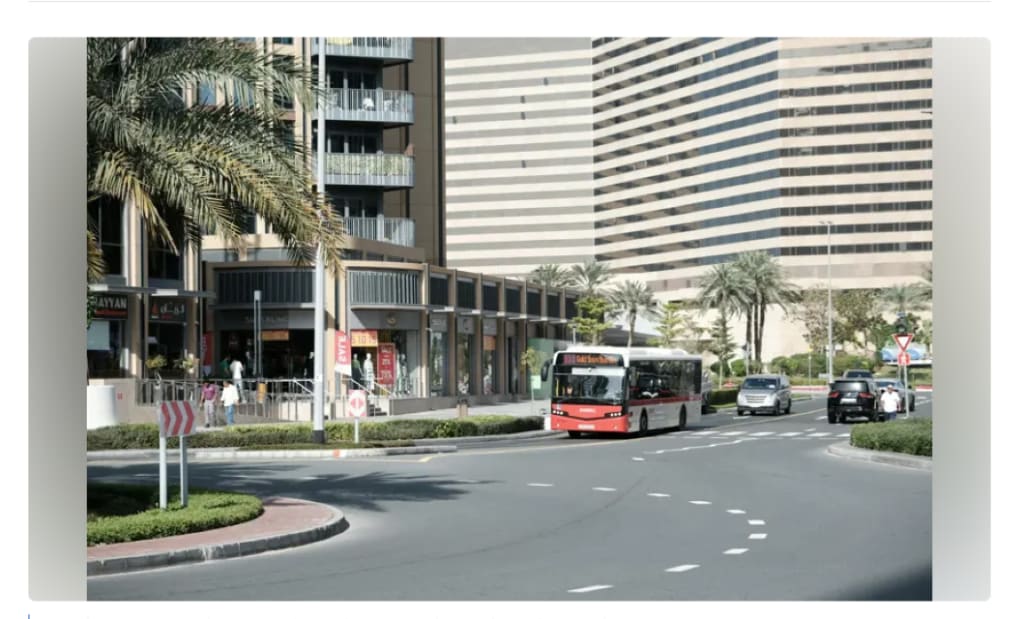
Urban development is evolving fast, with terms like sustainability, smart growth, and resilience grabbing most of the attention. But behind the scenes, a lesser-known process is quietly shaping the way communities are designed: line-of-sight analysis.
Long regarded as a niche concern in engineering, this technique is now proving to be a vital part of how cities plan and approve new projects. Daniel Kovacs, Senior Project Manager at Tract Engineering, says it’s time to bring this under-the-radar practice into focus.
“Line-of-sight isn’t just about what you can see—it’s about fostering trust, ensuring safety, and creating visual balance in our environments,” says Kovacs, whose work across Central Florida has earned him a reputation for meticulous planning and forward-thinking.
Beyond the Blueprint: Defining Line-of-Sight
In simple terms, line-of-sight (LOS) analysis measures the visibility between two or more points. While commonly used in fields like telecom and defense, LOS is now becoming a staple in civil engineering—especially in residential, mixed-use, and infrastructure-heavy areas.
“Developers focus on square footage, zoning, and materials,” Kovacs says. “But if sightlines aren’t clear, you run into problems—whether it's traffic hazards, limited pedestrian flow, or even public pushback.”
At Tract Engineering, LOS is factored in early during planning—well before permits are filed. This helps both public agencies and private clients steer clear of design missteps and regulatory delays.
Why Now? A More Visually Aware Era
As cities grow denser and communities more engaged, LOS has evolved from a technical consideration into a cultural and political one. In Florida, where views of the coastline, skylines, and landmarks shape identity and real estate value, municipalities are prioritizing visual integrity more than ever.
“We’re seeing a real shift,” says Kovacs. “City planners and residents want to preserve what makes a place special—whether that’s a view of the water or ensuring new buildings fit the neighborhood’s character. Line-of-sight has become non-negotiable.”
Kovacs leads cross-functional teams that use detailed modeling tools to study sightlines, factoring in terrain, vegetation, elevation, and building shapes to predict how new structures will affect what people see—and feel.
From Looks to Liability: What’s Really at Stake
The stakes go beyond design aesthetics. Poor visibility at intersections or driveways, for example, isn’t just a design issue—it can pose real safety risks and even lead to legal troubles.
For utility projects, blocked sightlines can disrupt signal transmission or hamper emergency responses.
That’s why Kovacs makes a point to highlight LOS during community meetings and public reviews—treating it as a trust-building measure between developers and the people who live nearby.
“When we can show a project won’t block a sunset or add blind spots near a school, the tone of the conversation changes. It becomes a matter of respect,” he says.
Looking Ahead: A New Standard for Smarter Cities
As urban growth stretches outward and upward, Kovacs believes line-of-sight will play a bigger role in defining responsible planning. He urges city officials and developers to treat it not just as a technical box to check, but as a core design principle that bridges infrastructure with lived experience.
With Tract Engineering’s data-driven, collaborative process, Kovacs is helping shape the next generation of communities across Central Florida—and beyond—one clear view at a time.
Published by: https://www.msn.com/en-us/money/smallbusiness/the-silent-game-changer-in-urban-planning-daniel-kovacs-explains-why-line-of-sight-analysis-matters-more-than-ever/ar-AA1C5fdg?ocid=BingNewsSerp
About the Creator
Daniel Kovacs
Daniel Kovacs, PE, is a seasoned Lead Civil Engineer and Business Manager with over 18 years of comprehensive experience in civil engineering and land development.
Enjoyed the story? Support the Creator.
Subscribe for free to receive all their stories in your feed.
Comments
There are no comments for this story
Be the first to respond and start the conversation.