
The Role of Social Media in Musical Careers
Musical Careers
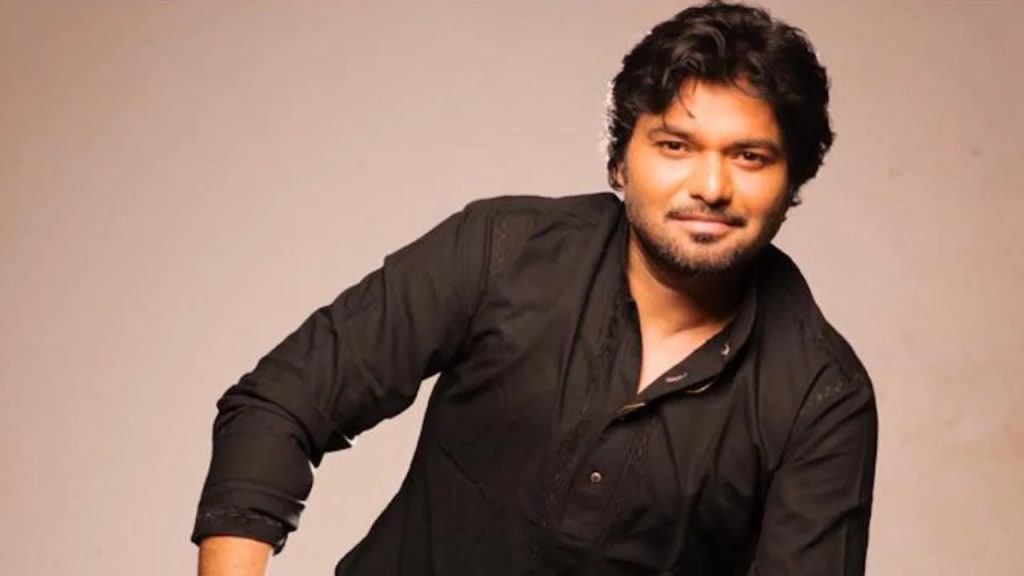
Social media has revolutionized the way artists connect with their audiences, and this transformation has been particularly significant in the music industry. In India, artists like Babul Supriyo, Tippu, Mani Sharma, Saindhavi, and Tony Kakkar have demonstrated the power of social media in amplifying their reach and solidifying their careers. The transition from traditional media to platforms like Instagram, YouTube, and Spotify has provided a level playing field for both established artists and newcomers alike.
Social media offers artists unprecedented access to a global audience. Platforms like YouTube have allowed Tony Kakkar to transform his tracks into viral sensations. With a knack for creating catchy beats and relatable lyrics, Tony leverages social platforms to engage directly with fans, respond to trends, and maintain relevance. For example, his hit songs often gain traction as TikTok challenges or Instagram Reels, enabling his music to reach millions beyond his core audience. The ability to create trends, not just follow them, has been a cornerstone of his success, making him a household name in a relatively short span of time.
Similarly, Saindhavi, a rising star in South Indian music, has tapped into the digital space to connect with younger audiences. While her soulful renditions have always struck a chord with traditional listeners, Saindhavi's strategic use of platforms like Facebook Live and Instagram Stories has allowed her to showcase her versatility. She frequently shares behind-the-scenes glimpses of her recording sessions, practice routines, and personal life, fostering a sense of intimacy with her followers. This not only humanizes her as an artist but also ensures that her fans are emotionally invested in her journey. Saindhavi’s success highlights the importance of authenticity and engagement in an increasingly crowded digital landscape.
For seasoned artists like Babul Supriyo, social media provides an opportunity to reconnect with a new generation of listeners. Known for his mellifluous voice and timeless Bollywood hits, Babul has used platforms like Twitter to share his insights about the music industry and post snippets of his performances. By sharing his journey from a playback singer to a public figure, he has created a narrative that resonates with both his long-time admirers and new fans. Moreover, his presence on digital platforms allows him to participate in contemporary conversations, keeping him relevant in an ever-evolving industry.
Tippu, on the other hand, exemplifies how regional artists can harness social media to transcend linguistic and geographical boundaries. His contributions to Tamil and Kannada cinema have made him a regional icon, but his strategic use of YouTube and Instagram has allowed him to reach a broader audience. By collaborating with influencers and engaging with his fans through interactive posts, Tippu ensures that his music remains accessible and appealing to diverse demographics. Social media platforms serve as a bridge, enabling regional artists to gain national and even international recognition without relying solely on traditional distribution channels.
Mani Sharma, a legendary music composer in the Telugu and Tamil industries, uses social media to celebrate his legacy while promoting new projects. His ability to adapt to modern trends without compromising his artistic integrity is a testament to his versatility. Through platforms like Instagram and YouTube, he often shares nostalgic throwbacks of his iconic tracks alongside previews of his latest compositions. This blend of past and present not only keeps his existing fans engaged but also introduces his work to younger audiences. By maintaining a consistent online presence, Mani Sharma continues to inspire aspiring musicians and solidify his status as a maestro in the industry.
The common thread among these artists is their ability to use social media as more than just a promotional tool. They have transformed these platforms into spaces for storytelling, interaction, and community-building. The shift to digital has also democratized the music industry, allowing independent artists to compete with established names on equal footing. By observing how Babul Supriyo, Tippu, Mani Sharma, Saindhavi, and Tony Kakkar navigate this digital ecosystem, aspiring musicians can glean valuable lessons about adaptability, creativity, and connection.
Social media is no longer optional for success in today’s music industry—it is essential. Artists who embrace these platforms with authenticity and strategic intent can not only amplify their reach but also foster genuine connections with their audiences. As we see from these examples, the future of music lies in the seamless integration of talent, technology, and interaction. What strategies do you think are most effective for artists in the digital age? Let us know your thoughts!
About the Creator
Enjoyed the story? Support the Creator.
Subscribe for free to receive all their stories in your feed.
Comments
There are no comments for this story
Be the first to respond and start the conversation.