
The Role of Music in Cultural Identity
Cultural Identity
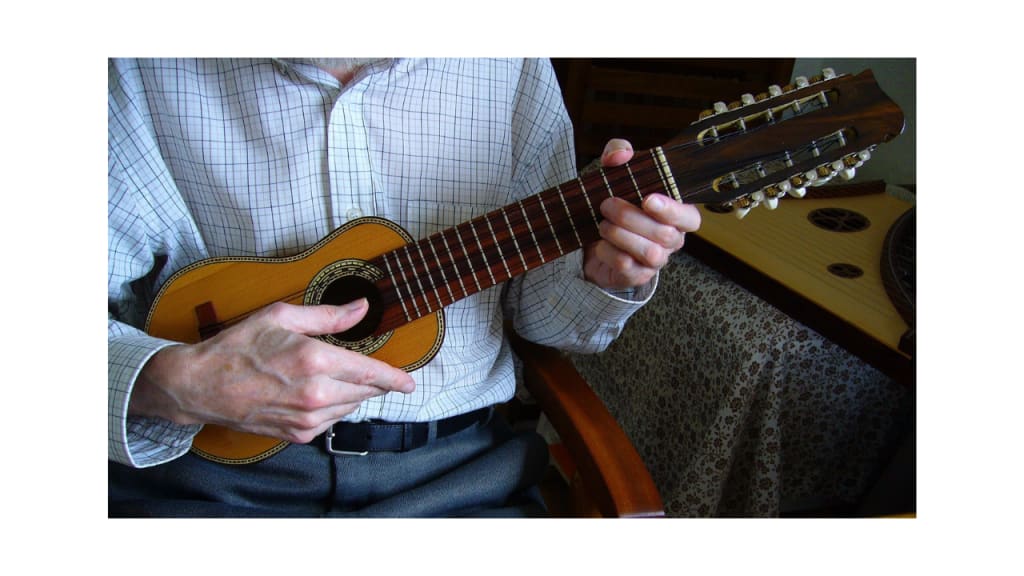
Music is more than just a form of entertainment—it is a profound expression of cultural identity. Across the globe, music serves as a unifying force, connecting individuals to their heritage and traditions while simultaneously bridging gaps between diverse communities. From ancient folk songs to modern pop anthems, the role of music in shaping and preserving cultural identity is undeniable. This article explores how music influences cultural dynamics and fosters a sense of belonging.
1. Music as a Reflection of Heritage
Music has long been a cornerstone of cultural traditions, often passed down through generations. It acts as a medium to preserve stories, beliefs, and values unique to a community. Whether it’s the soulful melodies of Native American chants or the vibrant rhythms of African drumming, music encapsulates the essence of a culture. To experience this vibrant evolution, explore relaxing songs that incorporate traditional elements into modern compositions.
2. Uniting Generations Through Shared Tunes
One of the most remarkable aspects of music is its ability to bridge generational divides. Traditional songs often serve as a link between the past and the present, fostering shared experiences among different age groups. For instance, many calm songs today draw inspiration from classical compositions, ensuring that the wisdom of the past continues to resonate with new audiences.
3. Modern Artists as Cultural Ambassadors
Modern musicians often become cultural ambassadors, introducing audiences to the sounds and stories of their homeland. Artists who have won accolades like the People's Choice Award for Favorite Male Artist frequently use their platforms to highlight their cultural roots. Through their music, they inspire pride within their communities and educate global audiences about their heritage.
4. A Global Stage for Music Traditions
The advent of digital platforms has made it easier than ever for traditional music to reach a global audience. Today, a single viral hit can introduce millions to a culture's unique sounds. The trending songs in world showcase this dynamic, often featuring tracks that blend traditional elements with modern production techniques.
5. The Role of Music Festivals in Preserving Culture
Music festivals dedicated to cultural traditions have become a popular way to celebrate and preserve heritage. These events often feature folk songs, regional instruments, and performances steeped in historical significance. Meanwhile, mainstream music festivals frequently spotlight artists like Martin Garrix songs, who blend global influences, creating a unique mix of modern and traditional styles.
Conclusion
Music is a powerful expression of cultural identity, capturing the spirit of a people and their traditions. Whether it’s through preserving heritage, connecting generations, or introducing the world to new cultural perspectives, music remains at the heart of our collective identity. By exploring diverse musical genres, we not only appreciate their artistic beauty but also gain a deeper understanding of the cultures they represent.
How does music reflect your cultural identity? Share your favorite culturally significant songs in the comments below, and let’s celebrate the diversity of music together!Music has always been a cornerstone of cultural identity, reflecting the history, traditions, and values of a community. Across the globe, songs and melodies have played a vital role in preserving cultural heritage and fostering unity among people. From folk songs that narrate ancestral tales to trending global hits that represent contemporary youth culture, music serves as both a bridge and a mirror for society. In this article, we’ll explore how music shapes and sustains cultural identity, with a closer look at how certain tracks and trends define our era.
Main Body
1. The Historical Ties Between Music and Culture
Throughout history, music has been a medium for storytelling and documentation. Ancient folk songs, for instance, often carried the history of a community, detailing their struggles, victories, and beliefs. Many cultures still use music as a way to teach younger generations about their roots and traditions. The evolution of such songs has led to the creation of sub-genres that retain cultural essences while adapting to modern influences.
Today, global artists like Martin Garrix are reimagining traditional beats and sounds in their work. His Martin Garrix songs not only set the tone for electronic dance music but also reflect how global influences reshape music’s cultural fabric.
2. Music as a Unifying Force
In times of conflict or celebration, music often acts as a unifying force. National anthems, protest songs, and ceremonial tunes hold a unique power to bring people together under a shared identity. Similarly, relaxing songs and melodies create an atmosphere where people can connect on an emotional level, transcending language and cultural barriers.
Music festivals and cultural events serve as melting pots where traditions meet modernity. These gatherings showcase how different cultures influence one another through music while retaining their unique characteristics.
3. The Role of Music in Globalization
Globalization has had a profound impact on the way music shapes cultural identity. While traditional music once remained confined to local communities, today’s artists can reach global audiences with just a click. Songs like the trending songs in world reflect the blending of cultural styles, from Afrobeat-inspired pop to K-pop's global dominance.
However, this widespread accessibility has also raised concerns about cultural appropriation. Striking a balance between cultural appreciation and maintaining authenticity is a challenge many artists face today.
4. Music and Individual Identity
Beyond collective cultural identity, music also plays a key role in shaping personal identity. People often associate specific songs or genres with defining moments in their lives, from childhood lullabies to the anthems of their teenage years. Many find solace in calm songs, using them as a tool for introspection and self-discovery.
About the Creator
Enjoyed the story? Support the Creator.
Subscribe for free to receive all their stories in your feed.
Comments
There are no comments for this story
Be the first to respond and start the conversation.