
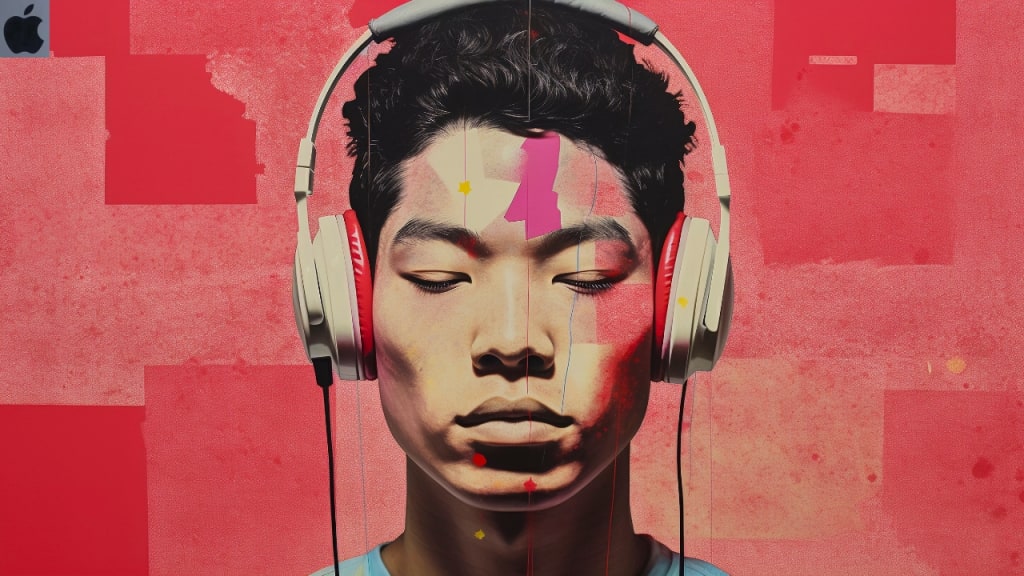
The music streaming industry is a dynamic and ever-evolving sector, shaping how we consume, share, and connect with music. However, like any thriving industry, it’s not without its controversies. From disputes over artist payouts to platform rivalries, the drama surrounding streaming platforms often makes headlines. In this article, we’ll dive into how controversies, particularly around Spotify, have influenced the music world, the artists’ perspectives, and how users can make the most of these platforms.
Spotify and Artist Payouts: A Long-Standing Debate
One of the most persistent issues in music streaming is artist compensation. Platforms like Spotify have faced criticism for their payment models, leading to frequent disputes between artists and the company. While streaming services have revolutionized how music reaches audiences worldwide, many artists argue that they are not fairly compensated for their work. This ongoing tension has sparked widespread discussions and, at times, even prompted some artists to pull their music from these platforms entirely.
Such disputes are often referred to as beef Spotify, highlighting the strained relationship between some musicians and the streaming giant. These controversies not only affect artists but also shape how listeners perceive these platforms. For fans, the question arises: Are streaming platforms truly supporting the creators behind the music we love?
The Drama of Exclusive Releases
Another source of contention in the streaming world is the practice of exclusive releases. While some platforms offer artists lucrative deals for exclusive content, this often leads to division among listeners. Fans may feel frustrated when their favorite artists release music on one platform but not others, creating a fragmented listening experience.
Spotify has navigated this challenge by focusing on curated playlists and personalized recommendations rather than exclusive deals. This strategy has helped the platform maintain its dominance but hasn’t entirely insulated it from criticism. Disputes over exclusivity often reignite debates about fairness in music distribution and how platforms can best serve both artists and fans.
The Rise of Personalized Music Integration
For many music enthusiasts, platforms like Instagram offer an opportunity to combine music with personal content. Knowing how to add your own music on Instagram can transform a simple story or reel into a powerful form of self-expression. However, even this seemingly straightforward feature has its share of complications.
When artists or platforms enforce strict copyright rules, users may find it challenging to include their favorite songs in social media posts. This adds to the ongoing conversation about ownership and accessibility, further blurring the lines between content creators, platforms, and rights holders.
The Question of Music Ownership
At the heart of many streaming controversies is the issue of ownership. Artists, labels, and platforms often clash over who truly owns a song and how it should be distributed. Understanding who owns song rights is crucial for anyone involved in the music industry, as it dictates how profits are shared and who holds creative control.
Streaming platforms have been instrumental in giving independent artists a platform to reach global audiences. However, disputes over licensing agreements and rights management often arise, especially when big names enter the fray. These conflicts highlight the complexity of navigating music ownership in the digital age, where millions of tracks are available at the click of a button.
The Influence of Music in Advertising
While streaming platforms deal with controversies, music continues to find its way into other areas, such as advertising. Brands like Amazon have mastered the art of using catchy tunes to create memorable campaigns. The latest Amazon Prime ad song is a prime example of how music can evoke emotions and build brand loyalty.
However, this practice isn’t free from criticism. Some argue that associating popular songs with commercial campaigns dilutes their artistic value. Others believe it’s a vital revenue stream for artists, particularly those who struggle to earn substantial income through streaming alone.
How Controversies Shape Listener Behavior
For listeners, the ongoing drama in the music streaming industry can be both frustrating and eye-opening. On the one hand, disputes and exclusivity battles may limit access to certain tracks or artists. On the other hand, they encourage fans to explore alternative platforms, independent artists, or even revisit physical music formats like vinyl.
Platforms like Spotify are constantly evolving to address these challenges. Features like collaborative playlists, personalized recommendations, and podcasts have helped them stay ahead of the curve. However, the drama remains a reminder of the underlying complexities in balancing innovation with fairness and transparency.
The Role of Technology in Resolving Disputes
Advancements in technology offer hope for resolving some of the issues plaguing the streaming world. Blockchain, for instance, has the potential to revolutionize music rights management by creating transparent, immutable records of ownership. This could help artists claim their fair share of profits while giving listeners confidence that their subscription fees are supporting creators.
Similarly, better sound technology has enhanced the experience of live music streaming. Devices like the best sound card for live streaming singing allow artists to deliver high-quality performances directly to their fans, bypassing traditional gatekeepers.
A Call for Greater Transparency
As music streaming continues to evolve, there’s a growing demand for greater transparency from all parties involved. Artists want clarity on how their earnings are calculated, platforms aim to navigate complex licensing agreements, and listeners seek assurance that their subscriptions benefit the creators they admire.
Addressing these concerns will require collaboration and innovation. Platforms must prioritize fair compensation and user-friendly features, while artists and labels need to adapt to the changing landscape.
Conclusion: Moving Forward Together
The drama in the music streaming industry, particularly around Spotify, serves as a microcosm of the challenges and opportunities facing the broader music world. While controversies are inevitable in any rapidly evolving sector, they also spark important conversations about fairness, ownership, and the role of technology.
What are your thoughts on the controversies surrounding music streaming? Share your perspective in the comments below!
About the Creator
Enjoyed the story? Support the Creator.
Subscribe for free to receive all their stories in your feed.
Comments
There are no comments for this story
Be the first to respond and start the conversation.