
The Role of Consent Logs in GDPR Compliance
Learn how consent logs are essential for GDPR compliance, ensuring transparency, accountability, and legal data processing with user consent management.

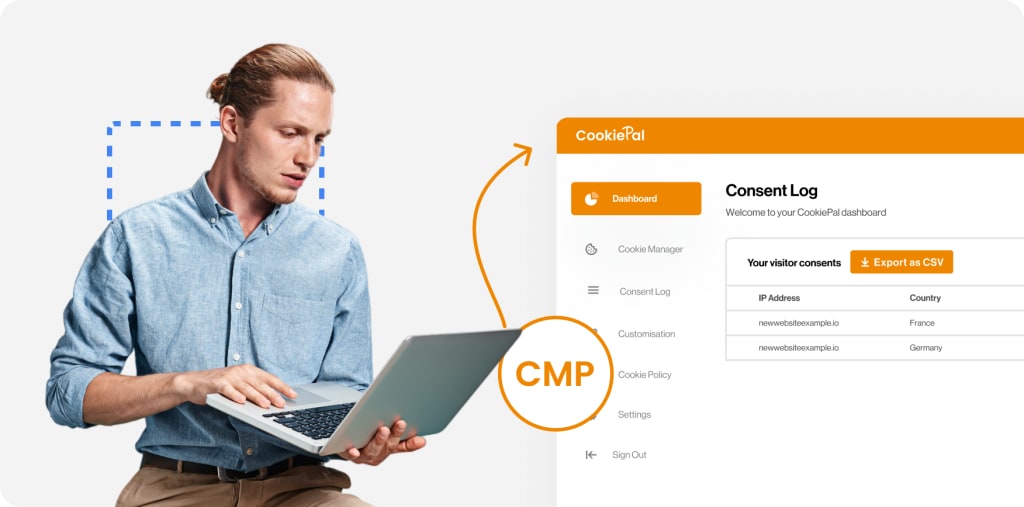
In the world of data privacy, keeping track of user consent is more important than ever. The General Data Protection Regulation (GDPR) requires businesses to not only obtain consent but also maintain detailed records of it. This is where consent logs come into play. They serve as a vital tool for ensuring GDPR compliance and protecting both users and businesses. Let’s explore the importance of consent logs and how they help businesses stay compliant.
What Are Consent Logs?
A consent log is a detailed record of every instance where a user grants or withdraws their consent for data processing. This log includes critical information such as when the consent was given, what data the user consented to share, and how that data is used. It also records when and if consent is revoked, ensuring a clear audit trail.
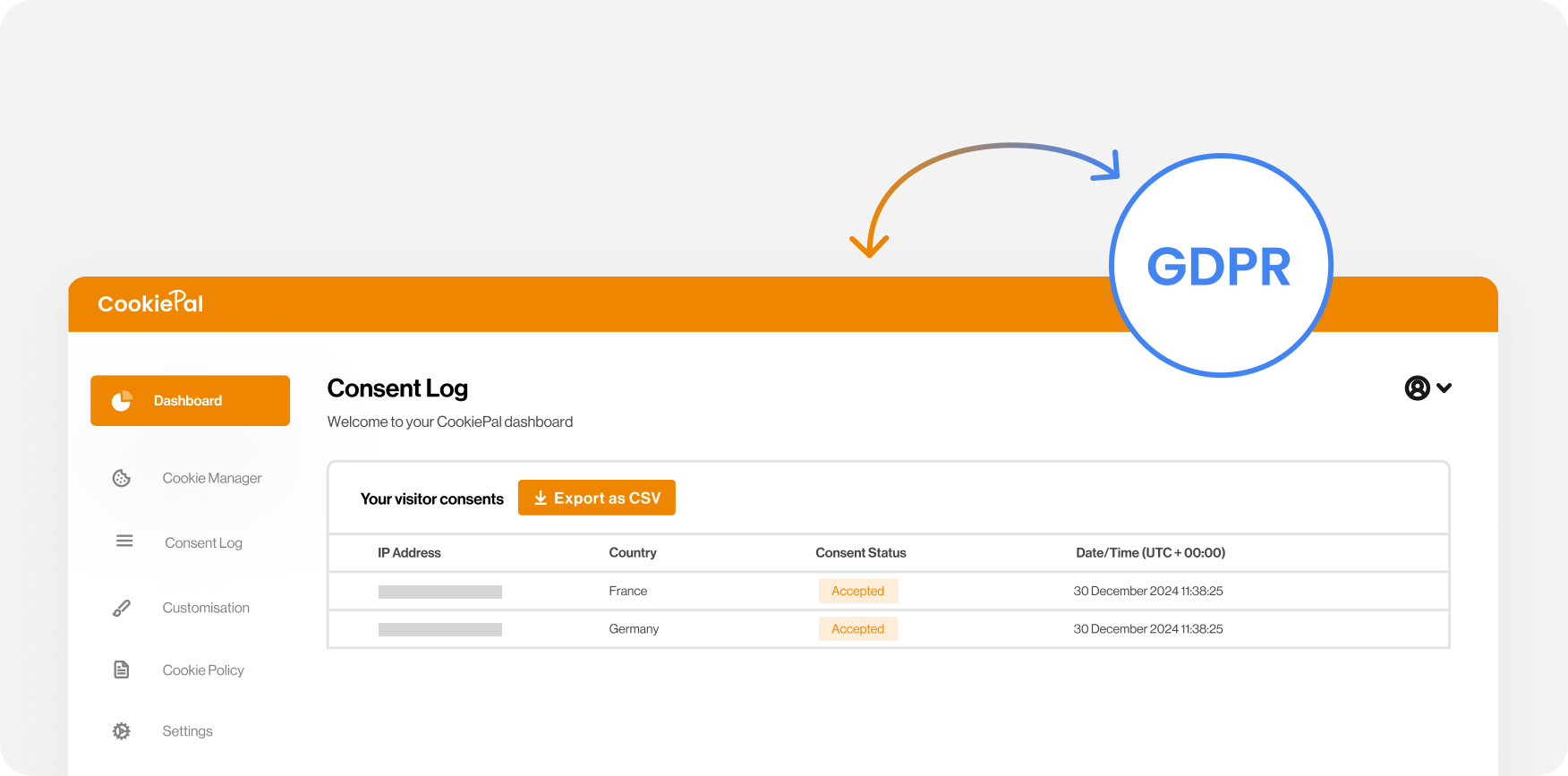
Why Consent Logs Are Essential for GDPR Compliance
- Proving Lawful Data Processing: Under GDPR, businesses must prove that they are processing personal data lawfully. Consent management is one of the primary legal bases for data processing under GDPR. By maintaining consent logs, businesses have a clear record showing that users have given their explicit consent, which can be crucial in the event of an audit or legal challenge.
- Providing Transparency and Accountability: The GDPR emphasizes transparency and accountability in data processing. Consent logs help achieve this by keeping a detailed record of user consent. This transparency builds trust with users, who can rest assured that their data is being handled responsibly.
- Handling Consent Withdrawals: Users have the right to withdraw their consent at any time under GDPR. Consent logs play a crucial role here by allowing businesses to track when consent was revoked. This ensures that any data processing stops immediately after consent is withdrawn, keeping the business compliant with privacy regulations.
- Simplifying Compliance Audits: During a GDPR compliance audit, businesses may be asked to demonstrate how they obtained and managed user consent. Consent logs simplify this process by providing a comprehensive and organized record of all consent interactions. This is especially important for businesses that process large amounts of data.
How to Maintain Effective Consent Logs
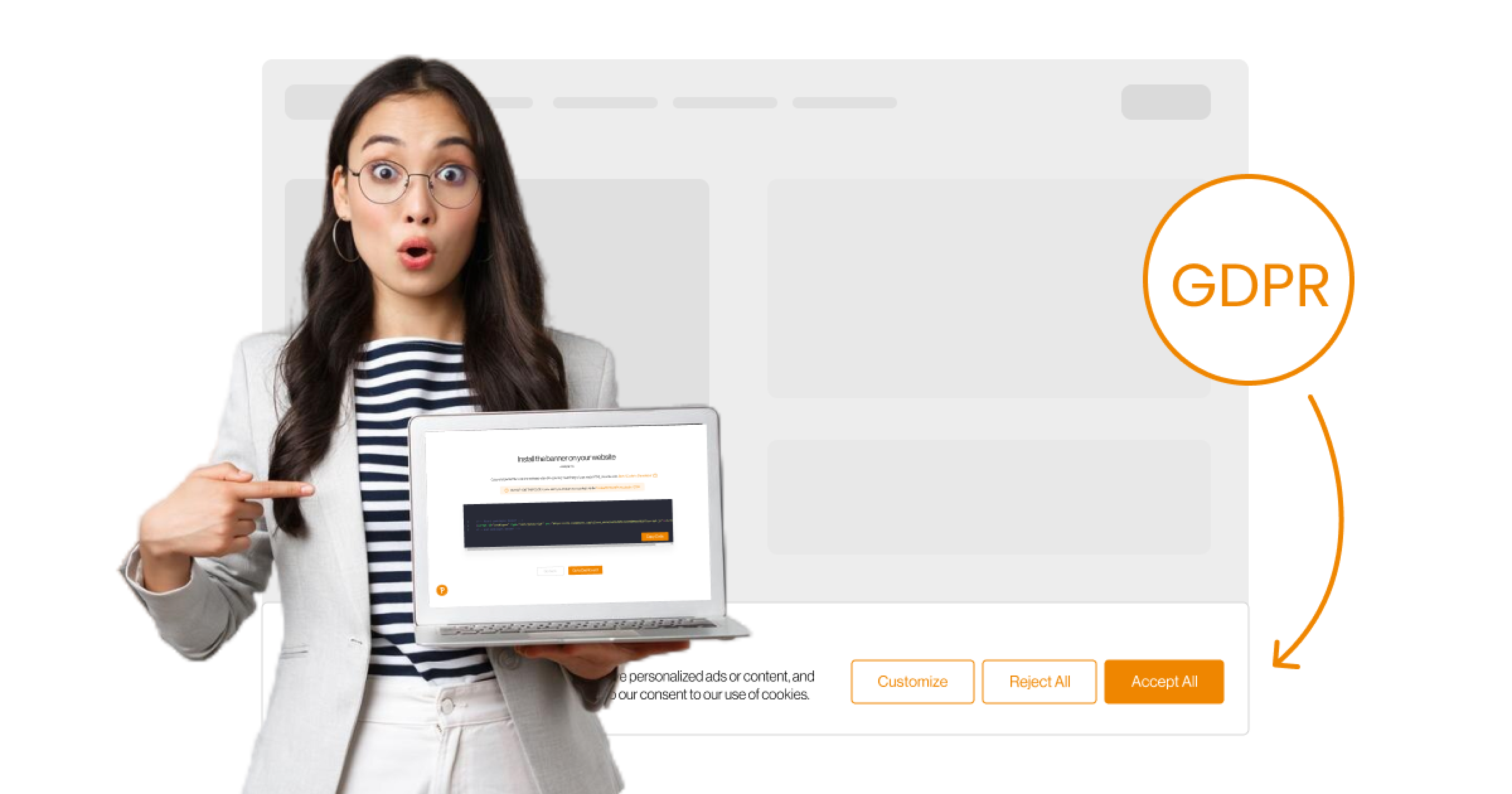
- Use a Consent Management Platform (CMP): A consent management platform like CookiePal simplifies the process of collecting and storing consent logs. These platforms automatically generate and store consent records, ensuring your business remains compliant with GDPR requirements. They also allow you to manage user preferences, including handling cookie consent banners.
- Ensure Data Accuracy and Security: For consent logs to be effective, they must be accurate and secure. Ensure that the data stored in consent logs is up to date and reflects the user’s current consent status. Implement robust security measures to protect consent logs from unauthorized access, aligning with data protection best practices.
- Keep Consent Logs for the Right Duration: The GDPR mandates that businesses only retain personal data for as long as necessary. This applies to consent logs as well. Develop a clear data retention policy that defines how long consent logs are kept and when they should be deleted.
- Regularly Review and Update Consent Logs Regular audits of your consent logs are essential for maintaining GDPR compliance. Review logs periodically to ensure they reflect current consent statuses and address any gaps in the records. This proactive approach helps avoid compliance issues down the road.
The Benefits of Consent Logs for Businesses
- Reduced Risk of Non-Compliance: Keeping comprehensive consent logs reduces the risk of non-compliance with GDPR. These logs provide proof that your business is following data protection rules, protecting you from potential fines and penalties.
- Enhanced User Trust: When users know their consent is being tracked and respected, they are more likely to trust your business. Consent logs demonstrate your commitment to transparency and data protection, enhancing your reputation and customer loyalty.
- Streamlined Data Management: Consent management tools that automatically generate GDPR-compliant consent logs can streamline your data processing practices. These tools ensure that you are consistently collecting, storing, and updating user consent, making compliance easier to manage.
Conclusion
In the era of data privacy, consent logs are indispensable for maintaining GDPR compliance. They not only help businesses prove that they are processing data legally, but also provide transparency and accountability in their data handling practices.
About Us
If you’re interested in GDPR compliance and want to learn more about managing cookie policies and user consent, I recommend exploring our resources at CookiePal. We provide tools and guidance to ensure your website meets all necessary data protection standards. For further discussions and insights, feel free to comment on this post.
About the Creator
Cookiepal.io
We help businesses stay UK GDPR compliant with easy, customisable cookie consent solutions. Visit us at cookiepal.io.
Enjoyed the story? Support the Creator.
Subscribe for free to receive all their stories in your feed.
Comments
There are no comments for this story
Be the first to respond and start the conversation.