
The Role of a Corporate Event Management Company in Modern Business Operations
How structured events have become a core part of enterprise strategy, communication, and global coordination

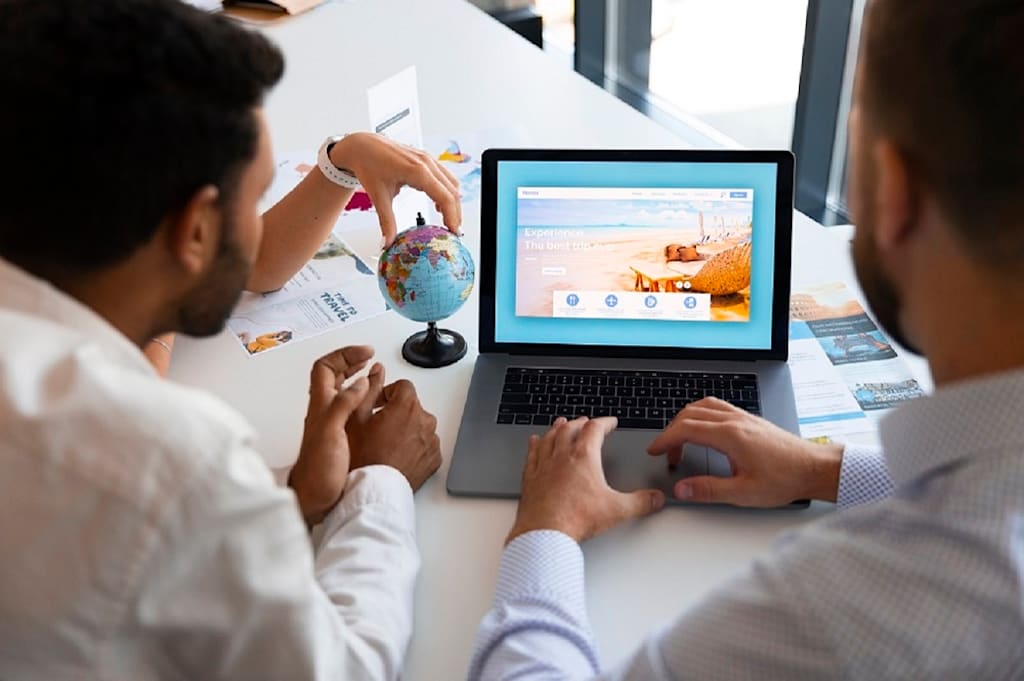
In modern business environments, corporate events are no longer treated as isolated gatherings or logistical exercises. They have gradually evolved into structured business instruments that influence communication, reinforce organizational identity, and support decision-making at multiple levels. Within this shift, the role of a corporate event management company has expanded beyond coordination into a broader function that intersects with strategy, operations, and experience design.
Large organizations now operate in an environment where internal alignment, external visibility, and stakeholder engagement often converge in a single space. Conferences, leadership summits, investor meetings, and global retreats are no longer standalone activities. They are integrated into how businesses function, communicate, and present themselves. This transformation has made event management an essential component of modern corporate operations rather than a supporting service.
Understanding this role requires moving beyond traditional assumptions about event planning. It involves examining how structured execution, cross-functional coordination, and experience planning contribute to business outcomes in increasingly complex organizational systems.
Corporate Events as Extensions of Business Strategy
Corporate events have shifted from operational gatherings to strategic environments where business direction is reinforced and refined. In many organizations, these events function as structured moments of alignment, where leadership communicates priorities, teams reassess goals, and external stakeholders gain clarity on organizational direction.
This evolution reflects a broader change in how businesses approach communication. Instead of relying solely on digital channels or internal documentation, organizations increasingly use physical and hybrid events as concentrated spaces for message delivery and engagement. The format allows for layered communication that includes presentations, discussions, networking, and informal exchange.
Within this context, corporate event management becomes closely tied to strategic planning. The design of an event often reflects underlying business objectives, whether related to expansion, branding, partnership development, or internal transformation. Even logistical decisions such as venue selection, scheduling, and participant flow can influence how effectively these objectives are communicated and absorbed.
Rather than functioning as separate domains, event execution and business strategy now operate in parallel. The structure of a corporate event often mirrors the priorities of the organization itself, making event planning a subtle but meaningful expression of corporate direction.
The Expanding Operational Scope of Corporate Event Management
The operational responsibilities associated with corporate events have grown significantly in complexity. A single large-scale event may involve coordination across travel arrangements, venue management, hospitality services, technical production, scheduling systems, and compliance considerations. Each of these components must function in alignment for the event to achieve its intended purpose.
This level of coordination requires a structured operational framework. Timelines are often tight, stakeholder expectations are high, and disruptions can have ripple effects across multiple layers of execution. As a result, event management has developed into a discipline that requires precision, adaptability, and systems thinking.
Modern corporate events also involve multiple stakeholder groups, including internal leadership teams, external partners, investors, clients, and media representatives. Each group has different expectations and engagement patterns, which adds further complexity to planning and execution.
Within this environment, the role of a corporate event management company extends beyond coordination into orchestration. It involves ensuring that various moving parts function cohesively while maintaining alignment with broader organizational goals. This requires not only logistical expertise but also an understanding of timing, flow, and participant experience.
The increasing scale and interconnectedness of corporate events reflect a broader trend in business operations: the shift toward integrated systems where multiple functions must operate simultaneously and efficiently.
Experience Design and the Structure of Corporate Engagement
One of the most notable developments in modern corporate events is the emphasis on experience design. Rather than focusing solely on logistics or scheduling, events are now structured around how participants perceive and interact with the environment.
Experience design in corporate settings involves shaping how information is delivered, how spaces are used, and how engagement unfolds throughout the event. This includes considerations such as spatial layout, sequencing of sessions, interaction formats, and the balance between formal and informal engagement.
The growing importance of experience reflects changes in how attention and engagement function in professional environments. In settings where information is abundant and time is limited, the structure of an event plays a critical role in determining how effectively messages are received and retained.
Corporate event management companies increasingly operate at the intersection of logistics and experiential planning. The goal is not only to ensure that events run smoothly but also to structure them in a way that supports clarity, engagement, and interaction.
This approach aligns with broader trends in business communication, where emphasis is placed on meaningful engagement rather than passive information delivery. Events have become structured environments where participation, dialogue, and interaction are central components.
The Integration of Corporate Travel and Event Ecosystems
As business operations become more global, the relationship between corporate events and travel coordination has grown increasingly interconnected. Large-scale events often require synchronized travel arrangements across multiple regions, time zones, and organizational levels.
This integration has led to the development of more cohesive planning systems where travel logistics and event scheduling are considered as part of a unified operational structure. The timing of arrivals, accommodation arrangements, and intra-event mobility all influence the overall effectiveness of corporate gatherings.
In many cases, corporate travel planning is no longer treated as a separate function. Instead, it is embedded within the broader event ecosystem. This ensures that participants experience continuity from the moment they begin their journey through to the conclusion of the event.
The coordination between travel systems and event execution reflects a broader organizational need for seamless operational alignment. Disruptions in one area can affect the entire structure, making integrated planning an essential requirement rather than a convenience.
Within this framework, corporate event management companies often operate as central coordinators, aligning multiple service providers and logistical systems into a single coherent structure.
Corporate Events as Reflections of Organizational Identity
Beyond their operational and strategic functions, corporate events also serve as expressions of organizational identity. The structure, tone, and execution of an event often reflect how a company perceives itself and how it wishes to be perceived by others.
This includes subtle elements such as communication style, visual design, interaction formats, and the balance between formal and informal engagement. Together, these components contribute to the overall impression created by the event.
In many organizations, corporate events are used as platforms to reinforce cultural values and internal alignment. Leadership messages, team interactions, and collaborative discussions all contribute to shaping how participants interpret organizational direction.
This reflective quality has made corporate events an important aspect of modern workplace culture. They serve as environments where organizational identity is both communicated and experienced in real time.
Corporate event management plays a key role in shaping this environment. Through careful structuring of flow, pacing, and engagement, events can support consistency between organizational intent and participant experience.
Evolving Expectations in a Global Business Environment
As businesses operate across increasingly diverse markets, expectations surrounding corporate events have also evolved. Global participation introduces new considerations related to cultural context, communication styles, and logistical complexity.
Events are no longer designed for a single audience profile. Instead, they often bring together participants from different regions, industries, and organizational levels. This diversity requires a more nuanced approach to planning and execution.
Consistency in quality, clarity in communication, and adaptability in structure have become central expectations in modern corporate events. At the same time, there is increasing emphasis on flexibility, allowing events to accommodate hybrid formats and distributed participation.
This evolution reflects broader changes in global business operations, where adaptability and coordination are essential for maintaining alignment across complex organizational structures.
Corporate event management companies play a critical role in navigating these expectations by designing systems that accommodate variability while maintaining coherence across all elements of execution.
Conclusion: Corporate Events as Structured Business Environments
The role of a corporate event management company today extends far beyond logistical coordination. It exists within a broader ecosystem where business strategy, operational execution, communication, and experience design intersect.
Corporate events have become structured environments that reflect how organizations operate, communicate, and evolve. They are no longer isolated occurrences but integrated components of business systems, shaped by strategic intent and operational complexity.
Understanding this role requires recognizing that modern corporate events function as more than gatherings. They are carefully structured systems of interaction that bring together people, information, and organizational purpose in a shared environment.
As business continues to evolve, the importance of structured coordination and thoughtful design in corporate events is likely to increase further. Within this landscape, event management remains closely tied to how organizations define themselves, communicate their direction, and engage with the world around them.
About the Creator
All 4 Season
All 4 Season is a premier luxury travel agency with over 25 years of experience in crafting bespoke holidays, curated tours, and corporate travel management. We specialise in leisure, corporate, and MICE travel across India and worldwide.
Enjoyed the story? Support the Creator.
Subscribe for free to receive all their stories in your feed.
Comments
There are no comments for this story
Be the first to respond and start the conversation.