
The Real Costs of Yacht Ownership That the Purchase Price Doesn't Reflect
What prospective buyers need to understand before the deal closes

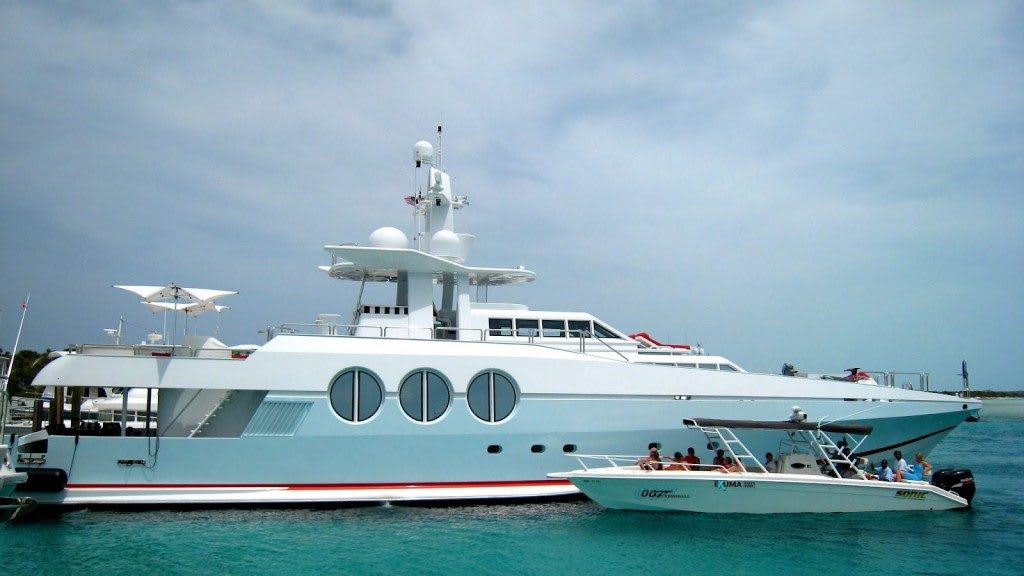
Buying a yacht feels like the finish line. After months of browsing listings, attending boat shows, negotiating with sellers, and running through surveys, the moment of purchase feels conclusive. It isn't. In financial terms, it's closer to a starting gun. The purchase price — whatever it is — represents one transaction. What follows is years of ongoing expenditure that, for buyers who haven't mapped it out in advance, often arrives as a series of unwelcome surprises.
This isn't a reason to walk away from yacht ownership. Plenty of people own boats and find the experience deeply worthwhile. But the ones who tend to stay in the game longest, and enjoy it most, are the ones who understood the full cost picture before they signed anything. The ones who struggle are usually those who focused almost entirely on the purchase and assumed the rest would figure itself out.
It doesn't figure itself out. Here's what the numbers actually look like.
The Basic Rule of Thumb — and Where It Falls Short
Most people who work in the yacht industry will tell prospective buyers to expect annual operating costs of around ten percent of the vessel's purchase price. Buy a million-dollar yacht and budget roughly a hundred thousand dollars a year to run it. Buy a five-million-dollar vessel and the annual number approaches half a million. These figures are real and they're useful as a starting point.
The problem is that ten percent is an average built from a wide range of circumstances, and it can be significantly off in either direction depending on what someone is actually buying and how they intend to use it. A newer vessel in good condition, kept at a modest marina, used a moderate amount each year, and maintained consistently will likely land somewhere near that benchmark. An older boat that needed work when it was purchased, kept at a premium berth in a busy port, used heavily across a full cruising season, and overdue for some significant mechanical attention can run well above it.
First-year costs are often the most unpredictable. Even a well-surveyed vessel in genuinely good condition has a way of revealing deferred items once a new owner starts using it regularly. Budgeting conservatively in that first year — treating the ten percent rule as a floor rather than a ceiling — is consistently the advice that experienced owners give to people just entering the market.
Crew: Where Budgets Expand the Most
For smaller boats — generally under fifty or sixty feet — owners can often handle most of the operation themselves, perhaps with occasional help for longer passages or maintenance tasks. Above that size range, professional crew become a practical necessity. The systems are more complex, the operational demands are greater, and in many cases the legal and insurance requirements around crewing simply can't be met by an owner operating alone.
This is where running cost estimates most frequently catch buyers off guard, particularly those coming into the yacht market from other luxury asset categories where staffing costs look quite different.
A captain with solid credentials and relevant experience in the US market earns somewhere in the range of eighty to a hundred and thirty thousand dollars annually. That figure varies based on experience, the size and complexity of the vessel, and what the role actually demands day to day. On a moderately sized luxury yacht requiring a small crew — a captain, a mate, and perhaps a chef or steward — annual payroll can easily reach three hundred thousand dollars before any additional costs are factored in.
Those additional costs matter. Crew need health coverage. They need travel paid when they're joining or leaving the vessel. In some ports they need shoreside accommodation when the yacht is berthed and living aboard isn't practical. They need ongoing training and certification to meet flag state and insurance requirements. Add all of that to base salaries and the real cost of crewing a yacht is consistently higher than the headline payroll figure suggests.
On larger superyachts with full crews of eight, ten, or more people, the combined cost of crew — salaries, benefits, travel, training, accommodation — can exceed a million dollars annually. For buyers considering vessels at that scale, crew costs deserve their own detailed budget line rather than being folded into a general operating estimate.
Maintenance Is Not Optional, and It's Not Cheap
Salt water is corrosive. Sun exposure degrades materials at a rate that surprises most people who haven't owned a boat before. Marine growth accumulates on underwater surfaces faster than most owners expect the first time they haul a vessel out after a season in the water. The environment a yacht operates in is genuinely harsh, and maintenance isn't something that can be scaled back without consequences showing up somewhere else.
Routine annual maintenance on a mid-sized yacht in reasonable condition typically includes at least one haul-out for bottom painting, engine and generator servicing, inspection of through-hulls and running gear, watermaker maintenance, and the ongoing minor repairs that come with operating any complex mechanical system regularly. For a vessel in the sixty-to-eighty-foot range, these routine costs might run anywhere from fifty thousand to a hundred and fifty thousand dollars in a typical year, depending on the boat's age, systems complexity, and usage.
That covers the routine. What it doesn't capture is major cyclical work — the kind that comes around every several years and represents a genuine capital expenditure rather than an operating cost. Engine overhauls. Full exterior repaints. Interior refurbishment. Major electronics or navigation upgrades. Structural repairs that emerge from thorough inspections. These projects on a hundred-foot yacht can run from five hundred thousand dollars to several million depending on what's being done.
Owners who handle this well treat major refit costs as a scheduled expense — setting money aside each year against the work that will eventually need doing. Owners who get caught off guard by it tend to face the choice between spending money they didn't plan for or deferring work that genuinely shouldn't be deferred.
The Costs That Don't Come Up in Purchase Conversations
Beyond crew and maintenance, yacht ownership involves a layer of ongoing administrative and operational costs that rarely get much attention during the buying process but accumulate meaningfully over time.
Insurance is the most significant. Yacht insurance operates as a specialty market, and premiums reflect the specific risks involved — vessel value, cruising range, crew qualifications, the owner's own maritime experience, and the insurer's overall assessment of exposure. Annual premiums on a five-million-dollar vessel might run between fifty and a hundred thousand dollars. On larger superyachts in the twenty-million-plus range, insurance costs can approach or exceed half a million dollars annually.
Flag state registration — choosing the legal jurisdiction under which the vessel is registered — creates its own set of ongoing costs and obligations. Different flag states carry different registration fees, different survey and inspection requirements, and different crew certification standards. For owners planning to use their yacht in charter, the regulatory requirements multiply further and vary depending on where the vessel is operating.
Marina and berthing fees are often treated as an afterthought but shouldn't be. In premium locations — Miami, the Mediterranean, major Caribbean destinations — monthly berthing for a large yacht can run several thousand dollars during quieter periods and significantly more when demand peaks. Fuel adds another variable that scales directly with how much the vessel is used and how fuel-intensive its systems are. A busy cruising season on a large motor yacht can add tens of thousands of dollars in fuel costs alone.
Ownership Structures That Change the Math
One conversation that often happens too late in the purchase process is about how the structure of ownership affects what the yacht ultimately costs to hold.
Private ownership — one individual or family carrying all costs — is the most straightforward arrangement and typically the most expensive on a per-use basis. For buyers who use their vessel frequently and want maximum flexibility, it's often still the right choice. But it isn't the only one.
Charter offset programs allow owners to make their vessel available for commercial charter when they aren't using it. In active markets like Miami, the Caribbean, and the Mediterranean, a well-managed charter program can generate meaningful revenue — enough in some cases to cover a substantial portion of annual operating costs. The tradeoffs are real: the vessel accumulates wear faster, availability for spontaneous personal use is reduced, and managing a charter operation adds administrative complexity. For buyers with predictable usage patterns who are comfortable with those tradeoffs, the economics can work in their favor.
Fractional ownership, where multiple parties share both costs and access, has become a more viable option as the legal frameworks around these arrangements have matured. When the parties involved have compatible schedules and a clear agreement in place from the start, fractional ownership can reduce per-owner costs significantly. When those conditions aren't met, it tends to create friction that outweighs the financial benefit.
For buyers with business interests, corporate ownership structures can introduce tax and depreciation considerations that meaningfully alter the after-tax cost of holding a yacht. This is territory where specialized legal and accounting advice is genuinely worth pursuing before any purchase structure is finalized.
What This All Means for the Purchase Decision
The purchase price of a yacht is the one cost in this entire picture that is fixed and knowable in advance. Everything else is ongoing, variable, and — if not planned for carefully — capable of turning an asset that should be a source of genuine enjoyment into a source of ongoing financial stress.
Buyers who go into yacht ownership with a realistic operating budget, built from the actual costs of the specific vessel they're buying rather than a generic percentage, tend to own well. They make maintenance decisions proactively. They crew appropriately. They don't find themselves facing unexpected expenditures that force reactive choices about a boat they otherwise love.
In a market like Miami, where quality vessels move quickly and there can be real pressure to decide fast, having that budget clarity before engaging seriously with any listing is genuinely valuable. An experienced yacht broker in Miami can help a buyer build that picture — walking through the real operating costs of specific vessels rather than just their asking prices. That conversation, had before rather than after the purchase, is often the most useful one in the entire process.
The yacht itself is the easy part. What it costs to keep it is where the real planning happens.
Disclosure: This article was produced with the assistance of artificial intelligence tools, in accordance with Vocal Media's content guidelines on AI-generated content.
About the Creator
Robert Lama
Robert Lama is a seasoned yacht broker with Miami International Yacht Sales, a reputable yacht brokerage company specializing in both used and new yachts. https://www.miamiinternationalyachtsales.com/
Enjoyed the story? Support the Creator.
Subscribe for free to receive all their stories in your feed.
Comments
There are no comments for this story
Be the first to respond and start the conversation.