
The Psychological and Social Impact of Music in Our Lives
Music in Our Lives
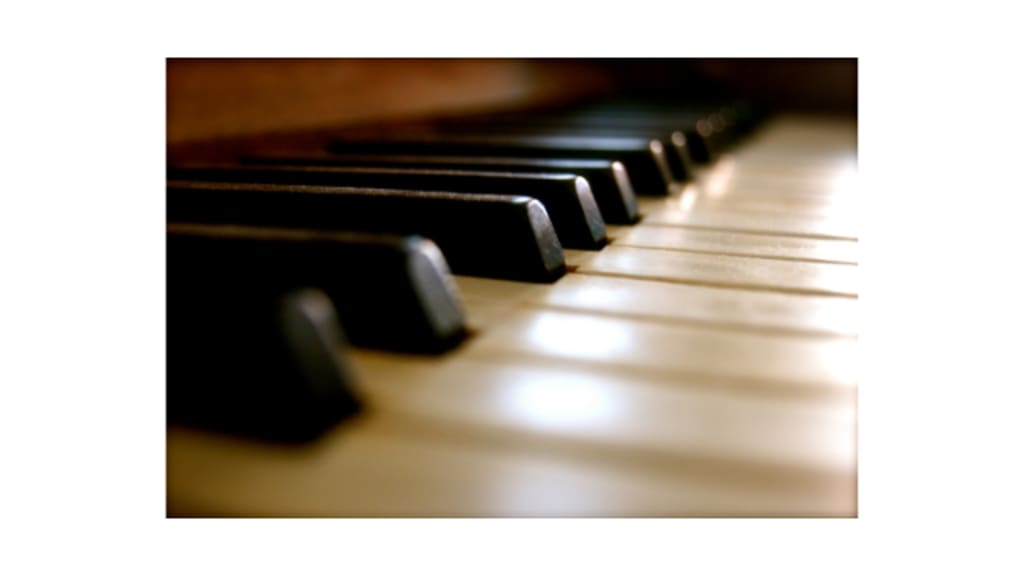
Music is a universal language that transcends borders and cultures, weaving its way into the very fabric of our emotional and social lives. It has a profound ability to influence our moods, evoke memories, and even foster social connections. This exploration delves into the various ways music impacts our psychological well-being and social interactions, supported by insights from notable artists and therapeutic studies.
The transformative power of music is evident across all genres and eras. For instance, contemporary pop icons like Bella Poarch bring fresh dynamics to the music scene with catchy tunes that resonate with a global audience. Poarch's music, characterized by its vibrant beats and engaging lyrics, captures the essence of youth and the struggles of finding one's identity in a chaotic world. Her contributions highlight how modern music can be a form of expression that goes beyond mere entertainment, touching on themes of empowerment and personal growth.
Similarly, the music of Jeanna Friske, a cherished figure in Eastern European pop culture, exemplifies how artists can profoundly impact their cultural sphere. Friske's songs often explore themes of love, resilience, and joy, offering listeners a source of comfort and a means to navigate their personal experiences. Her legacy is a testament to the emotional depth that music can reach, providing a soundtrack to many people's life stories.
In the Indian music landscape, the top artists often incorporate traditional sounds with contemporary influences, creating a rich tapestry of music that speaks to both young and old. This blend of the old and the new not only preserves cultural heritage but also makes it accessible to the broader public. Artists like A.R. Rahman and Shreya Ghoshal have mastered the art of storytelling through music, using their talents to convey powerful messages about humanity and society.
Lyrics in songs can also be incredibly powerful, serving as a reflection of the artist's thoughts and feelings, as well as a mirror to the listener's soul. The exploration of complex emotions in tracks like those described in "Bad at Love" lyrics demonstrates how music can be a therapeutic tool. These lyrics often discuss themes of heartache, personal growth, and the challenges of intimate relationships, resonating with those who may feel misunderstood or alone.
Moreover, numerous studies have supported the idea that music has the power to heal. Music therapy has become an increasingly popular method of healing, helping individuals cope with stress, recover from illnesses, and improve their mental health. It engages different areas of the brain, stimulating cognitive function while reducing anxiety and depression. This therapeutic aspect is not just limited to listening; engaging in music creation can also serve as a powerful means of expression and recovery.
Socially, music is a rallying point, a communal force that brings people together. Festivals, concerts, and casual gatherings centered around music are vivid examples of its role in building community bonds. Whether it's through shared preferences for certain genres or collective experiences at live performances, music creates a sense of belonging and connection among its listeners.
In conclusion, music's impact on our lives is as varied as it is profound. From the personal to the communal, the therapeutic to the celebratory, music remains an essential pillar of human culture and emotional expression. Its power to heal, to connect, and to tell our shared stories continues to inspire and move people around the world, proving that it is much more than just background noise—it is a vital part of our lives, echoing our deepest yearnings and joys.
About the Creator
Enjoyed the story? Support the Creator.
Subscribe for free to receive all their stories in your feed.
Comments
There are no comments for this story
Be the first to respond and start the conversation.