
The Practical Considerations Behind Planning a Birthday Celebration on the Water in Miami
What to Expect When You Move a Milestone Event From a Venue to a Vessel

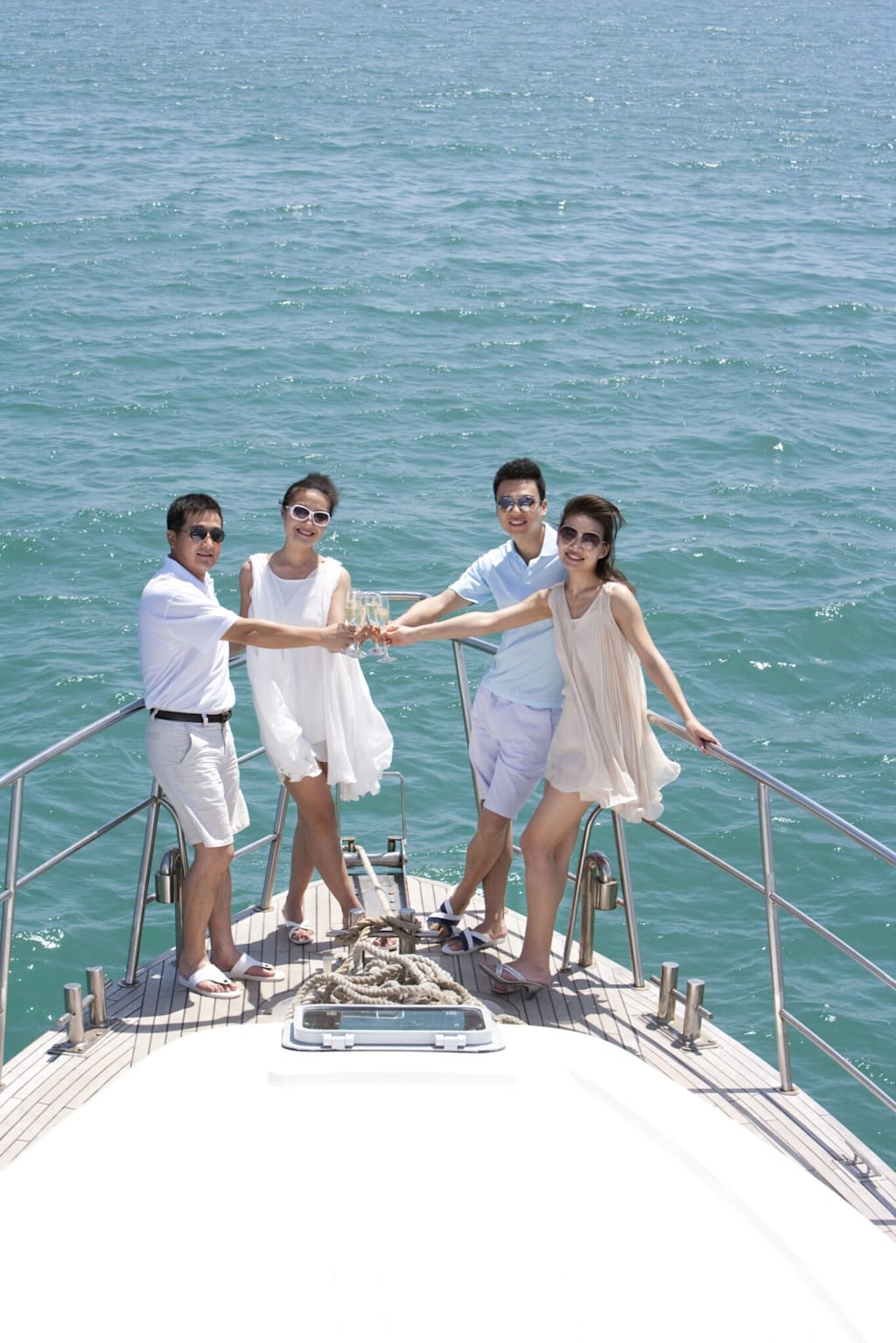
Miami is one of the few cities in the world where the water is genuinely part of daily life rather than a backdrop to it. Biscayne Bay runs through the heart of the metropolitan area, the Intracoastal Waterway threads along the eastern edge, and open Atlantic access sits minutes from some of the most densely populated zip codes in South Florida. Given this geography — and the culture that has grown around it — it is no surprise that the city's event landscape has evolved to treat water-based celebrations as a mainstream option rather than an exotic one.
Milestone birthdays, in particular, have found a natural home on the water. The combination of a private, self-contained environment, unobstructed skyline views, and the inherent novelty of a floating venue creates an experience that most land-based options simply cannot replicate. But the appeal of celebrating on a yacht or party boat in Miami, while genuine, comes with a set of practical realities that are worth understanding before any planning begins. The decisions involved are different from booking a restaurant private room or renting an event space — and the details matter considerably more.
Choosing the Right Vessel for the Occasion
The first and perhaps most consequential decision in planning a water-based birthday in Miami is vessel selection. The range of available options is substantial, and the differences between them affect nearly every other element of the event — capacity, ambiance, catering options, budget, and the overall tone of the gathering.
At one end of the spectrum are day boats: smaller powerboats, bowriders, and center consoles typically suited for groups of four to twelve guests. These vessels are well-suited for more intimate celebrations — a milestone birthday with close friends, an afternoon on the sandbar, or a sunset cruise with a smaller circle. Day boat rentals in Miami are widely available and generally more accessible in terms of cost, but they come with limitations. Onboard amenities are minimal, shade can be limited, and the experience is inherently more casual and active than what a larger vessel provides.
Mid-range motor yachts — typically ranging from 40 to 65 feet — occupy the most popular tier for private birthday events. These vessels offer a meaningful step up in comfort: covered deck space, onboard bathrooms, seating areas, a music system, and in many cases a small galley or prep area for catering. Groups of 15 to 35 guests fit comfortably on most vessels in this range, making them practical for the kind of mixed gathering that milestone birthdays often involve — family members alongside friends, different age groups, varying comfort levels with the water.
Larger yachts and superyachts take the experience into a different category entirely. Vessels above 65 feet begin to offer multiple deck levels, formal dining areas, full crew contingents, and the physical space to host events that rival upscale land-based venues. For significant milestone birthdays — fiftieth, sixtieth — or for hosts accustomed to a certain standard of luxury, this tier offers corresponding experiences. The planning involved is also more complex, the lead times longer, and the cost substantially higher.
Understanding which tier genuinely fits the occasion requires honest assessment of the guest list, the desired atmosphere, and the budget — not a romanticized version of the event, but its practical reality.
The Logistics That Determine Whether an Event Actually Works
Once vessel type is established, the logistical framework of the event comes into focus. Water-based birthday celebrations in Miami involve a set of moving parts that are simply absent from traditional venue planning, and overlooking any of them tends to create friction on the day itself.
Departure point is a practical matter that many first-time planners underestimate. Miami's marina landscape is spread across a significant geographic area — from the docks at Coconut Grove and the marinas around Bayside Marketplace in downtown, to the various departure points along Miami Beach and the facilities on Watson Island. The right departure point depends on where guests are coming from, how they're arriving, and what the itinerary involves. A marina that works perfectly for guests staying in South Beach may be genuinely inconvenient for guests coming from Brickell or Coral Gables. Parking availability, rideshare accessibility, and marina access procedures all factor into a smooth guest arrival experience.
Timing deserves more attention than it typically receives. Miami's afternoon weather pattern — particularly from late spring through early fall — involves a high likelihood of afternoon thunderstorms that can develop quickly and dramatically. A charter that departs at noon and plans to be on the water through the peak of afternoon storm activity is taking a meaningful weather risk. Most experienced operators in Miami plan accordingly, with morning departures for full-day events or late afternoon departures that position the vessel for a sunset return. Understanding the seasonal weather rhythm before locking in a date and time window is not optional — it is basic planning diligence.
Guest count management matters more on a vessel than in most land-based venues because charter boats operate under Coast Guard capacity limits that are strictly enforced. These limits are based on vessel certification and cannot be negotiated on the day of the event. Planning close to the maximum certified capacity leaves no margin for a last-minute plus-one and creates crowding that affects guest comfort. Experienced event planners working in the Miami water space typically advise booking a vessel rated for somewhat more than the confirmed guest count — not as a buffer for indefinite additions, but as a practical acknowledgment that event guest counts fluctuate.
Catering, Beverages, and Onboard Hospitality
Food and drink are central to any celebration, and on a yacht charter, they require a different kind of coordination than a venue with an in-house kitchen. Most charter operators in Miami do not provide catering directly — they provide the vessel and crew. Food and beverage arrangements are typically the responsibility of the client, either through approved outside caterers or through the operator's preferred vendor network.
The practical constraints of onboard catering are real. Most mid-range yachts have limited galley space — adequate for keeping food at temperature and doing light prep, but not for cooking from scratch. This means catering is almost always handled externally and brought aboard prior to departure or at designated pickup points. The menu needs to be appropriate for the environment: items that hold well at ambient or chilled temperatures, that can be eaten comfortably in a marine setting, and that don't create service complexity beyond what the available crew can handle.
Beverages require its own coordination. Most Miami charter operators allow clients to bring their own alcohol — it is one of the features that makes a private charter meaningfully different from a shared party boat or public booze cruise. However, policies vary. Some operators include a cooler and ice setup as standard; others charge separately for bar setup and service. If the celebration involves champagne service, a specific cocktail menu, or a hosted open bar, these details need to be defined clearly in advance rather than assumed.
The beverage logistics question also connects to crew responsibilities. On larger vessels with full service crews, a professional steward or stewardess handles bar service as a matter of course. On smaller or mid-range charters with minimal crew, the client's guests may be largely self-serving. Understanding what level of hospitality service is actually included — versus what needs to be arranged separately — prevents the kind of day-of confusion that deflates an event's atmosphere quickly.
What the Guest Experience Actually Feels Like
There is a common misconception about water-based events that is worth addressing directly: the assumption that the water itself handles the entertainment. In reality, the physical experience of being on a vessel in Biscayne Bay is genuinely compelling for a while — the skyline views, the sea breeze, the movement of the water — but for a celebration lasting several hours, programming and atmosphere require the same deliberate attention they would at any other venue.
Music is the most immediate factor. Most mid-range and larger yachts in Miami come equipped with a sound system, but sound systems vary considerably in quality and coverage. For a birthday celebration where music is central to the atmosphere, it is worth confirming the specifics of the onboard setup in advance and, for larger events, considering whether a portable speaker supplement or a small DJ setup is feasible given the deck space.
The itinerary itself contributes meaningfully to the guest experience. A yacht that departs and simply circles Biscayne Bay for four hours offers a different experience than one that incorporates a stop at Haulover Sandbar, a passage through Government Cut for ocean views, or a leisurely pass along Star Island and the waterfront estates of Miami Beach. These routes are not dramatically different in terms of operational complexity, but they give guests a sense of movement and discovery that enriches the time on the water. Working with the captain or operator to sketch a rough route — even a loosely structured one — is worth the conversation.
Comfort management is an underappreciated element of the guest experience. Miami's sun is intense, particularly from mid-morning through early afternoon. Guests who are unaccustomed to extended time on open water can find themselves sunburned, overheated, or windswept in ways they did not anticipate. Sunscreen, adequate shaded deck space, and appropriate ventilation are not incidental details — they directly affect whether guests are comfortable and engaged or quietly miserable. The best celebrations on the water are those where the physical environment has been considered, not just the aesthetic one.
Planning Lead Time and Operator Due Diligence
Miami's charter market is active and competitive, and the most desirable vessels on favorable dates — particularly Saturday afternoons and evenings from October through April — book well in advance. For a significant milestone birthday, a planning horizon of two to three months is reasonable for mid-range vessels; for premium yachts during high season or around major Miami events like Art Basel or Formula E, six months is not an unreasonable lead time.
The due diligence process for selecting a charter operator deserves genuine attention rather than a quick review scan. The factors that distinguish reputable operators in a competitive market — valid USCG operator licensing for the vessel, current insurance certificates, clear charter agreements, well-maintained vessels, experienced crew — are not always visible from a website or a price quote. Requesting documentation of licensing and insurance is standard practice and a mark of a professional operation rather than an unreasonable ask. The charter agreement itself should clearly define what is included, what is not, cancellation and weather policies, capacity limits, and liability terms.
Weather policy is a particularly important clause for Miami events. The city's afternoon storm pattern, combined with occasional tropical weather systems during the June through November season, means that weather-related disruptions are a realistic scenario rather than a remote one. Understanding in advance how a specific operator handles weather cancellations, rescheduling, and refunds protects the client and eliminates ambiguity in a moment that is already stressful.
The Realistic Outlook on Budget
Water-based birthday celebrations in Miami span an enormous range of price points, and understanding the cost structure helps set expectations that survive contact with actual quotes. The vessel fee is typically the largest single component, but it is rarely the total cost. Fuel surcharges, docking fees, gratuity for the crew, catering, beverages, any décor, and the platform or broker fee where applicable all contribute to the final figure.
Gratuity warrants specific mention. In Miami's charter culture, tipping the crew — captain and any additional crew members — is standard practice and generally expected at a rate of 15 to 20 percent of the charter fee. This is not a hidden cost but it is one that surprises first-time clients who budget only to the base charter price. A clear-eyed total budget, inclusive of all ancillary costs, is the only version that is actually useful for planning.
What water-based celebrations in Miami ultimately offer — when planned carefully and with realistic expectations — is an experience that genuinely stands apart. The combination of a private environment, a city that looks its most dramatic from the water, and the irreplaceable quality of sea air and movement creates the conditions for a memorable event. That outcome doesn't happen automatically, but for those who invest the planning attention it deserves, it tends to be well worth it.
About the Creator
Miami Boat Charter
Miami Boat Charters offers the largest and newest selection of fully crewed Boat Charters, Party Boats, & Luxury Yacht Rentals in Miami Beach.
Enjoyed the story? Support the Creator.
Subscribe for free to receive all their stories in your feed.
Comments
There are no comments for this story
Be the first to respond and start the conversation.