
The Practical Benefits of Structured Wardrobe Planning in Daily Life
How intentional clothing systems influence clarity, efficiency, and modern lifestyle behavior

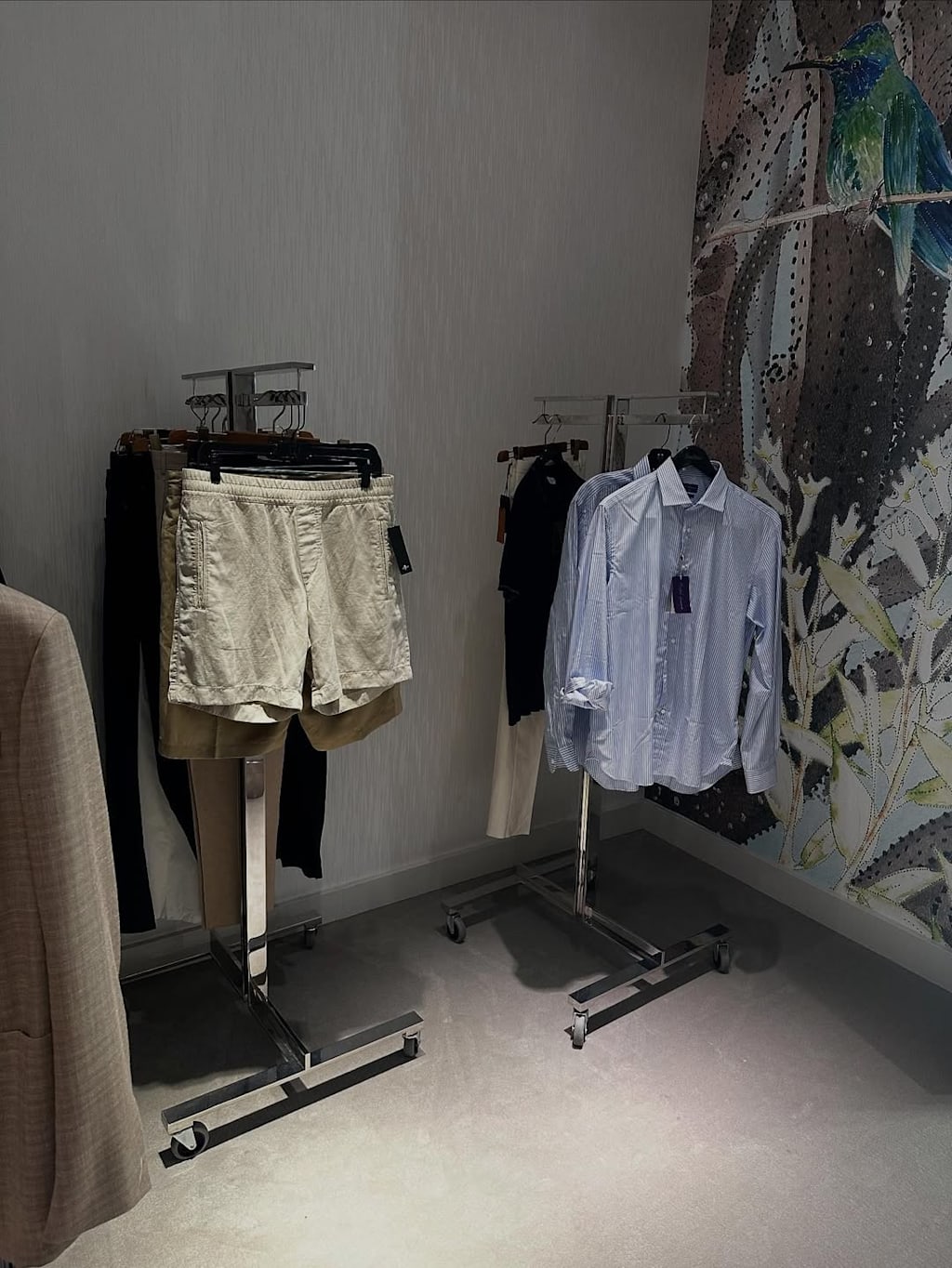
In contemporary urban life, clothing choices have gradually shifted from being purely aesthetic decisions to becoming part of broader systems of daily organization. The way a wardrobe is structured can quietly influence how efficiently mornings begin, how consistently personal presentation is maintained, and how effectively individuals navigate fast-paced routines.
Structured wardrobe planning refers to the deliberate organization of clothing in a way that supports clarity, usability, and long-term functionality. Rather than treating a wardrobe as a collection of isolated items, it is approached as an interconnected system shaped by lifestyle needs, environment, and frequency of use.
This shift reflects a broader cultural movement toward simplification and intentional living. As modern schedules become increasingly fragmented, the value of reducing small daily decisions has become more widely recognized. Clothing, as one of the most frequent daily touchpoints, naturally plays a significant role in this process.
Wardrobe Structure as a Response to Decision Fatigue
One of the most widely discussed aspects of modern cognitive behavior is decision fatigue. Throughout the day, individuals make hundreds of micro-decisions, many of which accumulate into mental exhaustion over time. Clothing selection, although often perceived as minor, is one of the earliest decision points in a daily routine.
Structured wardrobe planning reduces the cognitive load associated with this process. When clothing is organized according to purpose, seasonality, and compatibility, the number of choices required in the moment decreases significantly. This does not eliminate choice but rather refines it into a more manageable framework.
In practical terms, a structured wardrobe allows for faster alignment between intention and execution. The selection process becomes less about evaluating every available item and more about choosing within a pre-aligned system. This contributes to a smoother transition into the rest of the day, where mental clarity is often required for more complex responsibilities.
The broader relevance of this benefit extends beyond convenience. It reflects an evolving awareness of how environmental organization affects cognitive efficiency. Clothing, in this sense, becomes part of a larger ecosystem that either supports or disrupts mental flow.
Clarity and Consistency in Personal Presentation
Another important dimension of structured wardrobe planning lies in its impact on personal presentation. In many professional and social environments, appearance functions as a form of non-verbal communication. While it does not define capability or character, it does influence perception and first impressions.
A structured wardrobe supports consistency in how individuals present themselves across different contexts. Instead of relying on spontaneous combinations or ad-hoc selections, clothing becomes part of a cohesive system where pieces are chosen with compatibility in mind.
This consistency does not imply uniformity. Rather, it allows for variation within a defined framework. Outfits can still adapt to different settings, but they remain aligned with an underlying sense of coherence. This creates a more stable visual identity, which can be particularly relevant in environments where repeated interactions occur.
In professional contexts, consistency in presentation can contribute to a sense of reliability and attentiveness. In social environments, it can support a more refined and intentional presence. The underlying structure of the wardrobe helps maintain this balance without requiring constant conscious effort.
The Role of Functionality in Modern Wardrobe Systems
Modern wardrobe planning increasingly prioritizes functionality alongside aesthetics. This reflects a broader shift in lifestyle behavior, where practicality is often valued as highly as visual appeal.
Structured wardrobe systems typically account for frequency of use, environmental conditions, and lifestyle segmentation. Clothing is not simply categorized by style but by function, such as professional wear, casual wear, transitional pieces, and situational attire.
This functional segmentation allows for more efficient decision-making. Items that are frequently used are more accessible, while specialized pieces are organized in a way that reflects their context of use. The result is a wardrobe that mirrors real-life behavior rather than abstract categorization.
Functionality also extends to adaptability. In many modern lifestyles, individuals move between different environments within a single day. Structured wardrobes support this transition by ensuring that appropriate options are readily available without requiring extensive planning in advance.
This approach reflects a broader trend in contemporary design thinking, where systems are built around usability rather than excess. In this context, a wardrobe becomes less about accumulation and more about alignment with lived experience.
Cultural Shifts Toward Intentional Living and Simplicity
The growing interest in structured wardrobe planning is also connected to wider cultural shifts toward intentional living. Across various aspects of modern life, there is increasing attention on reducing unnecessary complexity and focusing on what is functional, meaningful, and sustainable.
Clothing naturally fits into this conversation. As consumption patterns evolve, there is greater awareness of how frequently wardrobes contain items that are rarely used or poorly integrated into daily routines. Structured planning addresses this imbalance by emphasizing coherence over volume.
This does not necessarily imply minimalism in the strictest sense. Instead, it reflects a more balanced approach where each item in a wardrobe serves a clear purpose or fits within a defined system. The emphasis is placed on usability and relevance rather than accumulation.
In urban environments, where space and time are often limited, this approach becomes particularly practical. A structured wardrobe reduces clutter not only physically but also mentally, creating a more organized relationship between individuals and their clothing choices.
Over time, this contributes to a more stable and predictable interaction with daily routines, where clothing selection becomes a seamless part of the day rather than a recurring point of friction.
Wardrobe Planning as an Evolving Personal System
Structured wardrobe planning is not static. It evolves alongside changes in lifestyle, professional demands, climate, and personal preferences. This adaptability is one of its defining characteristics.
As individuals move through different phases of life, the composition of their wardrobe naturally shifts. Work environments may change, social expectations may evolve, and daily routines may become more or less structured. A well-organized wardrobe system accommodates these transitions without requiring complete reconstruction.
This adaptability is supported by periodic reassessment. Clothing items are continuously evaluated based on relevance, condition, and usability. Over time, this creates a dynamic system that remains aligned with current needs rather than outdated patterns.
In this sense, wardrobe planning functions less as a fixed structure and more as an ongoing process. It reflects the changing nature of modern life, where flexibility is increasingly important.
The ability to adjust without losing coherence is one of the key advantages of a structured system. It ensures that the wardrobe remains functional even as external conditions shift.
The Broader Impact on Daily Rhythm and Lifestyle Flow
Beyond clothing itself, structured wardrobe planning has a subtle but meaningful influence on overall daily rhythm. When the initial stages of the day are simplified, attention can be redirected toward more complex or meaningful tasks.
This creates a smoother transition into daily responsibilities. The reduction of early-stage decision-making allows for a more focused mental state, which can carry through into work, communication, and other activities.
In a broader sense, this reflects how small organizational systems contribute to larger lifestyle outcomes. Clothing, while often overlooked in discussions of productivity or structure, plays a consistent role in shaping the beginning of each day.
The cumulative effect of reduced friction in daily routines can be significant over time. It supports a more stable rhythm, where energy is allocated more intentionally rather than consumed by repetitive micro-decisions.
Structured wardrobe planning, therefore, can be understood not only as a matter of organization but as part of a wider approach to managing attention and mental clarity.
Conclusion
Structured wardrobe planning represents a practical response to the complexities of modern daily life. It is not defined by aesthetic trends or rigid systems but by its ability to create clarity, reduce unnecessary decision-making, and support more consistent personal presentation.
Its relevance lies in its adaptability. As lifestyles evolve, so too does the structure of the wardrobe, maintaining alignment with changing needs while preserving functional coherence.
In a broader cultural context, it reflects an increasing preference for intentional systems that simplify routine processes without limiting flexibility. Clothing, in this framework, becomes part of a larger structure that supports how individuals move through their day.
Ultimately, structured wardrobe planning is less about clothing itself and more about how organization influences experience. It demonstrates how thoughtful systems, even in everyday areas, can contribute to a more composed and efficient way of living.
About the Creator
Elsab Styling
At ElsaB Styling, we specialize in providing bespoke, high-end personal styling services for high-net-worth individuals, CEOs, executives, and VIPs.
Enjoyed the story? Support the Creator.
Subscribe for free to receive all their stories in your feed.
Comments
There are no comments for this story
Be the first to respond and start the conversation.