
The Nanjing Massacre: A Story of War Criminals and Historical Amnesia
A brief analysis of Japan’s brutality and it’s denial of the war

Eight years before WWII in 1931, Japan entered the province of Manchuria in China following the Mukden Incident, a staged event of which Japan used to justify its invasion. In a search for raw materials to fuel its growing industrial economy, the Japanese Empire colonised large swathes of Chinese territory, and brutality against its nationals became omnipresent. This conflict, also known as the ‘Second Sino-Japanese War,’ would later go down in history as one of the most devastating and deadly conflict in history.
Six Weeks of Death
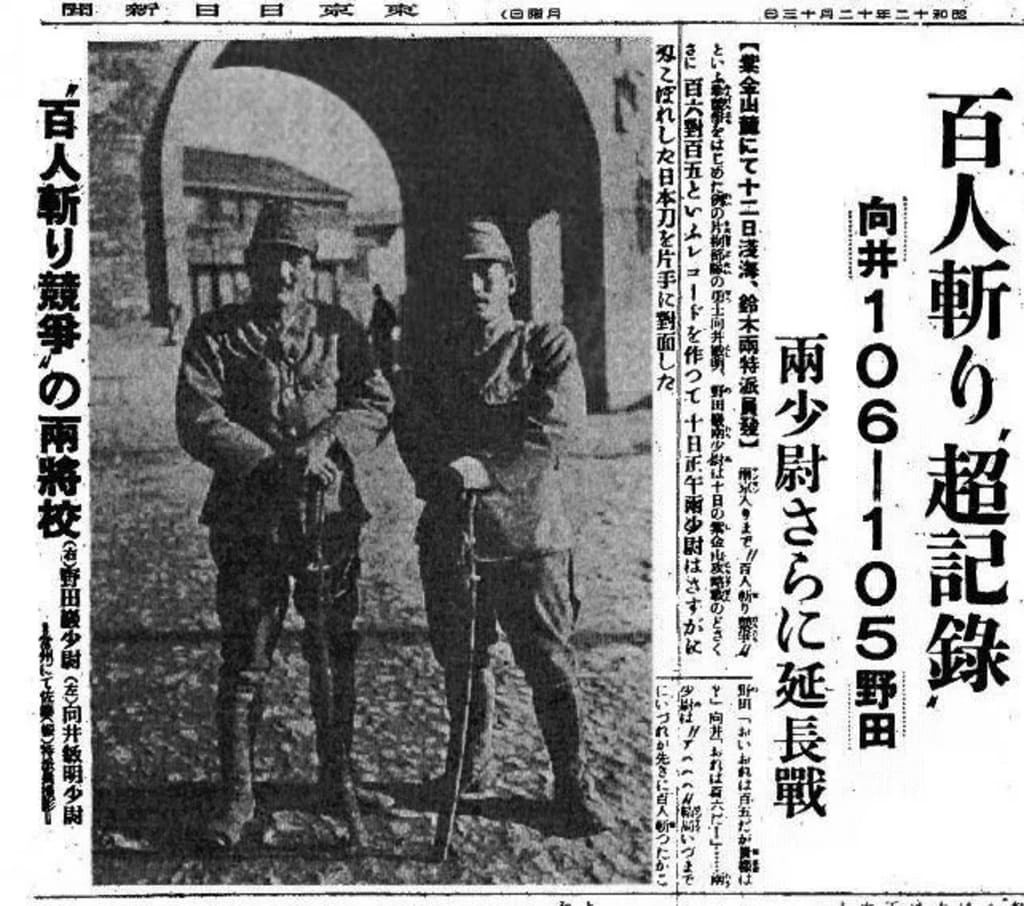
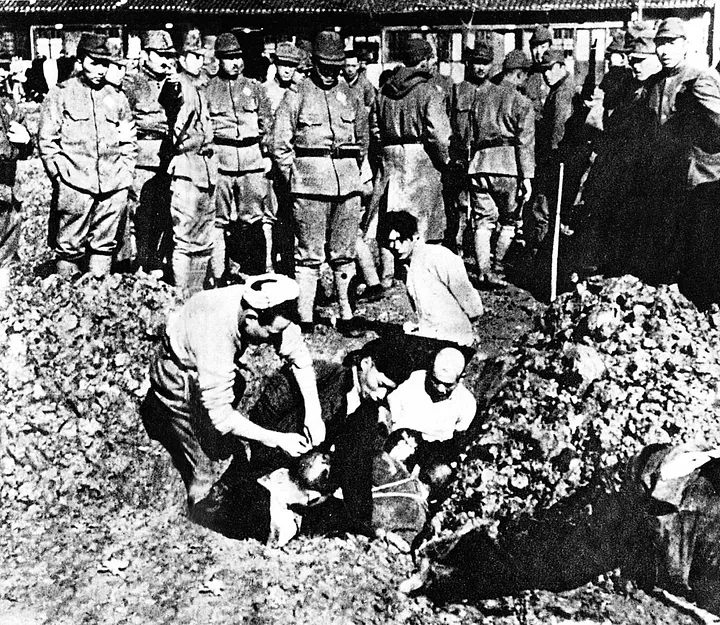
On December 13th 1937, the Japanese military reached Nanjing, China's former capital. Upon arrival, they pillaged, raped, and killed its citizens, amounting to an estimated 200,000 deaths. The terrorism knew no bounds, for the Japanese ravaged Nanjing by engaging in arson. Invaders were setting entire communities on fire, as they watched houses and their inhabitants burn in a campaign of destruction. Amidst these atrocities, were two Second Lieutenants, Toshiaki Mukai and Tsuyoshi Noda. A competition featuring both individuals, dubbed the ‘100 Man Killing Contest,’ became a popular entertainment piece of the time.
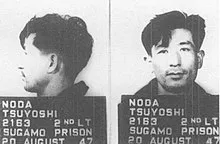
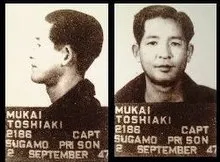
Major newspapers, such as the Tokyo Nichi Nichi Shimbun and Osaka Mainichi Shimbun, attentively reported on the officers’ progress as they decapitated each victim with their swords. After completing their first goal of 100, Noda and Mukai extended the kill count to 150. This competition wasn’t only mere entertainment for these people, but a demonstration of heroism, whilst Japanese reporters celebrated them as sportsmen. However, in the latter half of 1947, both men were tried by the International Military Tribunal for the Far East (IMTFE) for crimes against humanity and war crimes. They were found guilty and executed by firing squad in Nanjing on January 28th 1948.
Japanese Denial and Activism
It isn't uncommon for Japan and many of its nationals to deny the Nanjing Massacre ever happened, calling it a ‘hoax.’ Shinzo Abe, Japan's president, regularly downplays the actions his country committed during WWII, restraining relations with Asia-Pacific countries, particularly with South Korea, also a former victim to Japan's war.
Japan hasn't officially apologised regarding the atrocities that occurred in Nanjing, or any other related event. However, historians such as Ienaga Saburo, spent more than three decades fighting the government's censorship in school textbooks. Motivated by his desire to erase wartime guilt, he led a 10-trial crusade in an effort to expose Japan’s atrocities and to stop the indoctrination of political ideologies in students’ lessons. Saburo's stubborn attitude won him international admiration, ending in the European Union and public figures including Noam Chomsky nominating him the Nobel Peace Prize in 1999. Ienaga Saburo published several books, each on Japan's history through the centuries, before his death in 2002.
Remembering the Past
Many believe Japan is an innocent country that's filled with anime, sushi, and samurai legends. In a way it is, but the stains of the past often get overlooked and covered up in favour of ‘friendlier’ content. There’s no doubting the legacy that followed the Second Sino-Japanese War; it will continue to linger for generations to come.
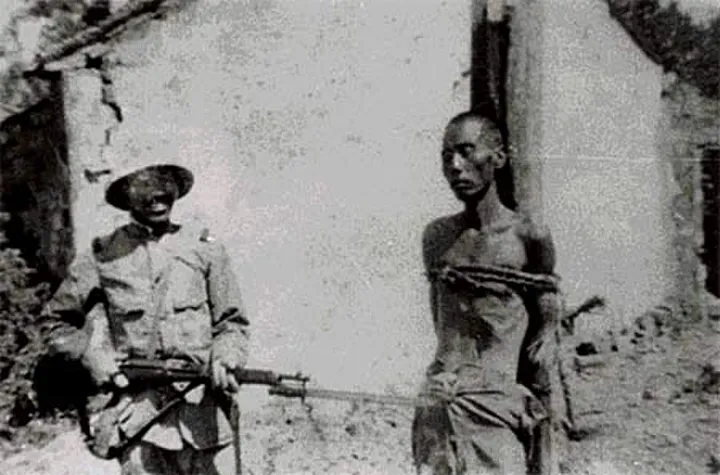
Ultimately, regardless of how extreme or horrific our history may be, nobody should be allowed to mindlessly deceive its population from the truth. Everyone deserves to know their own country's heritage and the events that followed throughout its existence.
About the Creator
The Observant Mask
I'm the writer you just haven't heard of yet. As an eclectic, interdisciplinary cultural analyst, I craft narratives across wildly different subjects and break them down into stories that actually matter.
Enjoyed the story? Support the Creator.
Subscribe for free to receive all their stories in your feed.
Comments
There are no comments for this story
Be the first to respond and start the conversation.