
The Musical Journey of Laxmikant–Pyarelal: From Struggles to Stardom
The Musical Journey of Laxmikant–Pyarelal
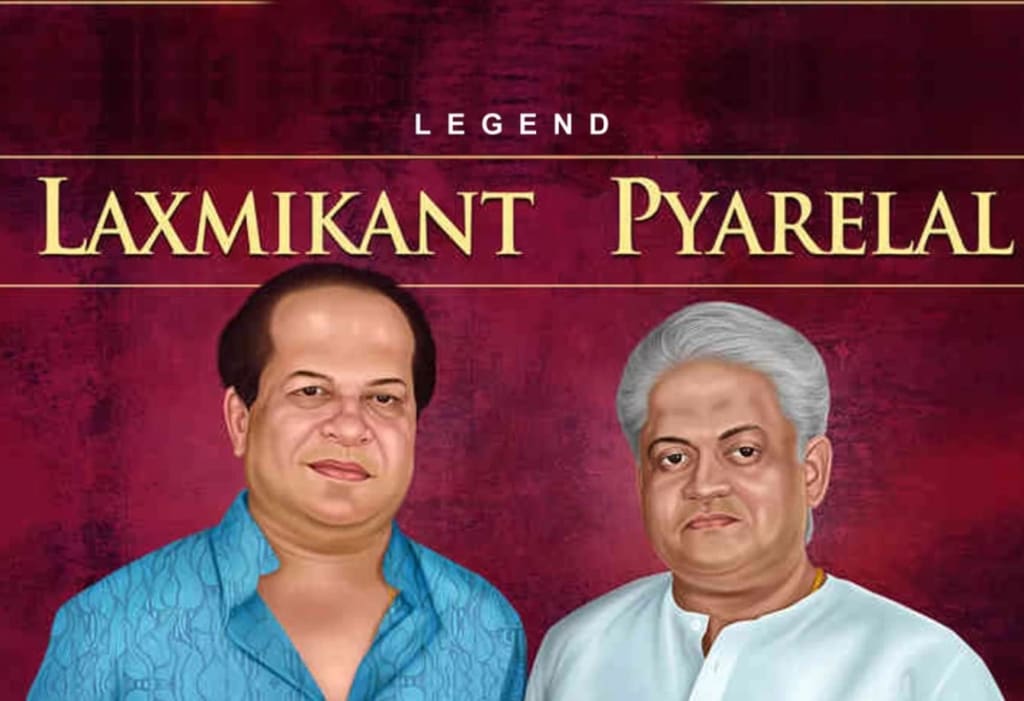
Bollywood has been home to some of the most iconic musical talents in the world, and among these, the duo Laxmikant–Pyarelal stands out as revolutionary composers who redefined film music. Over a career spanning more than three decades, Laxmikant Shantaram Kudalkar and Pyarelal Ramprasad Sharma transformed Bollywood's musical landscape with their melodious compositions and orchestral brilliance. Their story is not just about creating unforgettable music but about establishing themselves as pioneers in an industry teeming with talent.
This article takes a closer look at their inspiring journey, their groundbreaking work, and the legacy they left behind.
Early Life and Formation of the Duo
Laxmikant–Pyarelal's story began with humble beginnings. Laxmikant was born on November 3, 1937, in Mumbai. His early years were marked by hardship after the untimely demise of his father, which pushed him to support his family through his passion for music. Learning the mandolin under the tutelage of Hussain Ali and later Bal Mukund Indorker, Laxmikant developed a strong foundation in music.
Pyarelal, on the other hand, was born on September 3, 1940, in Gorakhpur. Introduced to music at an early age by his father, the celebrated trumpeter Pandit Ramprasad Sharma, Pyarelal quickly developed a mastery of the violin. He was mentored by Anthony Gonsalves, a Goan musician after whom the popular song "My Name Is Anthony Gonsalves" is named.
The two met in their youth while working as session musicians in Bollywood, and a shared passion for music quickly turned into a partnership. Initially, they worked as assistants to music directors like Kalyanji-Anandji, but their dreams were set much higher.
Their Breakthrough in Bollywood
In 1963, Laxmikant–Pyarelal got their first big break as independent music directors with the film Parasmani. The film's songs, such as "Hansta Hua Noorani Chehra" and "Woh Jab Yaad Aaye," became instant hits. This success established them as formidable composers in the industry.
Over the next decade, they rapidly rose to prominence, collaborating with leading filmmakers and delivering chart-topping music for films like Dosti (1964), which earned them their first Filmfare Award. Their ability to create melodies that appealed to both the masses and critics ensured their consistent demand in Bollywood.
Groundbreaking Music in the 1970s and 1980s
The 1970s and 1980s were the golden era of Bollywood music, and Laxmikant–Pyarelal were at the helm of this transformation. They showcased an incredible ability to adapt their music to the changing tastes of the audience. Whether it was soulful ballads, energetic dance numbers, or classical renditions, their compositions struck a chord with listeners.
One of their most notable works during this period was for the film Amar Akbar Anthony (1977). The song "My Name Is Anthony Gonsalves" became a cultural phenomenon, and the film's entire soundtrack reflected their versatility. Another masterpiece was Karz (1980), where their innovative use of symphony and rhythm introduced a new era of Bollywood music.
Their collaborations with lyricists like Anand Bakshi and singers such as Lata Mangeshkar, Kishore Kumar, and Mohammed Rafi resulted in timeless hits like "Satyam Shivam Sundaram," "Bindiya Chamkegi," and "Dafli Wale."
Unique Musical Style
Laxmikant–Pyarelal's music was a seamless blend of Indian classical traditions and Western influences. They were masters of orchestration, often using grand arrangements to elevate the emotional depth of their compositions. From the sitar and tabla to violins and trumpets, their understanding of musical instruments allowed them to create rich, layered soundscapes.
A key aspect of their music was its emotional resonance. Whether capturing the pain of separation in "Chahoonga Main Tujhe" (Dosti, 1964) or the infectious joy in "Om Shanti Om" (Karz, 1980), their melodies connected deeply with audiences.
Their Impact on Bollywood Music
Over a career that spanned more than 35 years, Laxmikant–Pyarelal composed music for over 635 films. They worked with almost every major filmmaker and actor of their time, earning a reputation for their professionalism and creativity. Their ability to craft songs that suited the narrative of a film while also resonating independently as chart-toppers set them apart from their contemporaries.
They received numerous accolades, including seven Filmfare Awards for Best Music Director. Their influence extended beyond their time, inspiring future composers like A.R. Rahman and Vishal-Shekhar.
Legacy of Laxmikant–Pyarelal
Even decades after their heyday, Laxmikant–Pyarelal's music continues to thrive. Their songs are still played on radio stations, and remixes of their classics regularly feature in contemporary Bollywood films. The timeless quality of their music ensures that it remains a cherished part of India's cultural heritage.
Their legacy lies not only in the volume of work they produced but in the enduring emotional impact of their songs. Generations of Bollywood fans have grown up listening to their music, and their influence is evident in the works of modern-day composers.
Conclusion
Laxmikant–Pyarelal journey from humble beginnings to becoming legendary pioneers of Bollywood music is a testament to their talent, hard work, and innovative spirit. They not only transformed the musical landscape of their era but also left a legacy that continues to inspire and entertain millions.
Their compositions remind us of the golden days of Bollywood, when music was not just a part of cinema but an integral element that defined its success. As we revisit their timeless melodies, we celebrate the duo's unparalleled contribution to Indian cinema.
About the Creator
MusicVerse
Lets dive into the world of music.
Enjoyed the story? Support the Creator.
Subscribe for free to receive all their stories in your feed.
Comments
There are no comments for this story
Be the first to respond and start the conversation.