
The Latest Developments in the Israeli-Palestinian Conflict: An Overview
The Israeli-Palestinian conflict, a longstanding and deeply rooted issue, has seen a significant escalation in violence and tension in recent months. This article aims to provide an overview of the latest developments, underlying causes, and implications for both Israelis and Palestinians.

The conflict traces its origins back to the early 20th century, revolving around competing national aspirations and territorial claims. Despite numerous peace efforts over the decades, a lasting resolution remains elusive, with both sides entrenched in their positions.
Recent Escalations
In the past few months, several incidents have marked a sharp rise in violence:
Increased Clashes: Tensions have surged in the West Bank, with frequent clashes between Israeli security forces and Palestinian protesters. These confrontations often result in casualties and have fueled anger and resentment on both sides.
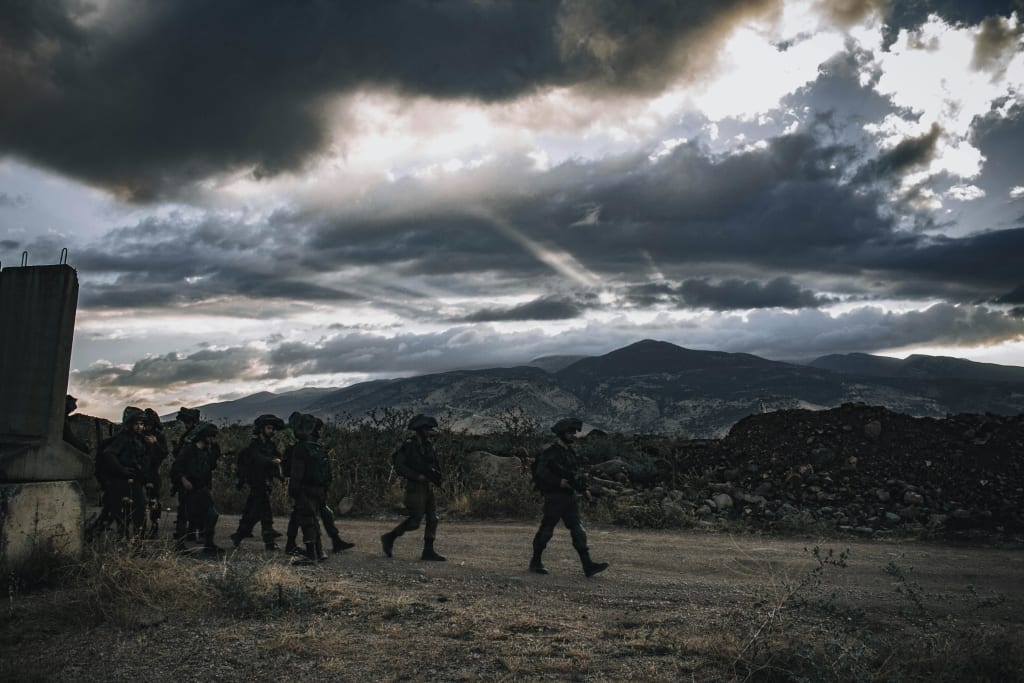
Military Operations: The Israeli Defense Forces (IDF) have intensified their operations in response to perceived threats, including raids in Palestinian cities. These operations are often justified as measures to counter terrorism but frequently lead to civilian casualties.
Rocket Fire from Gaza: Various Palestinian factions, including Hamas, have launched rockets into Israeli territory, prompting retaliatory airstrikes. These exchanges escalate fear and instability in border regions.
Settler Violence: Incidents of violence by Israeli settlers against Palestinian communities have also increased, contributing to the cycle of retaliation and hostility.
Underlying Causes
Several factors contribute to the current situation:
Settlement Expansion: The ongoing expansion of Israeli settlements in the West Bank continues to be a significant source of tension. Many view these settlements as illegal under international law, further complicating the prospect for peace.
Political Fragmentation: The Palestinian political landscape remains divided, with Hamas controlling Gaza and the Palestinian Authority governing parts of the West Bank. This division weakens the Palestinian negotiating position and complicates international efforts for mediation.
Economic Hardships: The humanitarian situation in Gaza is dire, exacerbated by a long-standing blockade. High unemployment and lack of basic services contribute to frustration and unrest among Palestinians.
Impact on Civilians
The conflict’s escalation has devastating effects on civilians:
Casualties: Civilian casualties are rising, with both Israelis and Palestinians suffering losses. Families are torn apart, and communities are left in mourning.
Psychological Trauma: The ongoing violence creates a climate of fear, particularly among children, leading to long-term psychological consequences that affect future generations.
Economic Disruption: The conflict hampers economic activity, deterring investment and worsening living conditions, particularly in Gaza.
International Response
The international community continues to call for restraint and renewed dialogue, but concrete actions remain limited. Various nations and organizations advocate for a two-state solution, yet the path forward is fraught with challenges.
The development of Palestine has been marked by a complex interplay of historical, political, and social factors. Here’s an overview of key aspects of its development:
### Historical Context
1. **Ottoman Rule (1517-1917)**: Palestine was part of the Ottoman Empire for centuries, during which time various cultural and religious communities coexisted.
2. **British Mandate (1917-1948)**: After World War I, Britain took control of Palestine. The Balfour Declaration of 1917 supported the establishment of a Jewish homeland, which increased tensions between Jewish and Arab populations.
3. **UN Partition Plan (1947)**: In response to growing conflict, the United Nations proposed a partition plan to create separate Jewish and Arab states. While accepted by Jewish leaders, it was rejected by Arab leaders, leading to increased violence.
### Key Events
4. **1948 Arab-Israeli War**: Following the declaration of the State of Israel in 1948, neighboring Arab states invaded. The war resulted in significant territorial changes and the displacement of many Palestinians, leading to what they refer to as the Nakba (catastrophe).
5. **1967 Six-Day War**: Israel captured the West Bank, Gaza Strip, and East Jerusalem. This event intensified the Israeli-Palestinian conflict and has had lasting implications for Palestinian sovereignty.
6. **Oslo Accords (1993-1995)**: These agreements between Israel and the Palestine Liberation Organization (PLO) aimed to establish a framework for peace and the eventual creation of a Palestinian state. Limited self-governance was granted in parts of the West Bank and Gaza.
Current Situation
7. Two-State Solution Debate: Efforts for a two-state solution have faced numerous challenges, including settlement expansion, political divisions among Palestinians (notably between Fatah and Hamas), and ongoing violence.
8. International Recognition: In 2012, the UN General Assembly granted Palestine non-member observer state status. Many countries recognize Palestine, but it remains a contentious issue in international politics.
9. Socioeconomic Challenges: Palestinians face significant socioeconomic difficulties, including high unemployment, restricted access to resources, and limited movement due to checkpoints and barriers.
Cultural Development
10. Cultural Identity: Despite ongoing conflict, Palestinian culture thrives through literature, art, music, and cuisine, serving as a vital expression of identity and resilience.
Future Prospects
The future of Palestine remains uncertain, with ongoing debates about borders, governance, and rights. Continued dialogue and international involvement are essential for any potential resolution to the conflict.
This overview captures some key elements of Palestinian development, reflecting its rich history and ongoing struggles.
Conclusion
The latest developments in the Israeli-Palestinian conflict underscore the urgency for a sustainable resolution. Both sides face significant challenges that require empathy, understanding, and a commitment to dialogue. Without concerted efforts to address the root causes of the conflict, the cycle of violence and suffering is likely to continue, with profound implications for regional stability and global peace.
About the Creator
Enjoyed the story? Support the Creator.
Subscribe for free to receive all their stories in your feed.
Comments
There are no comments for this story
Be the first to respond and start the conversation.