
The Intersection of Music and Technology: Shaping the Future of Sound
Shaping the Future of Sound
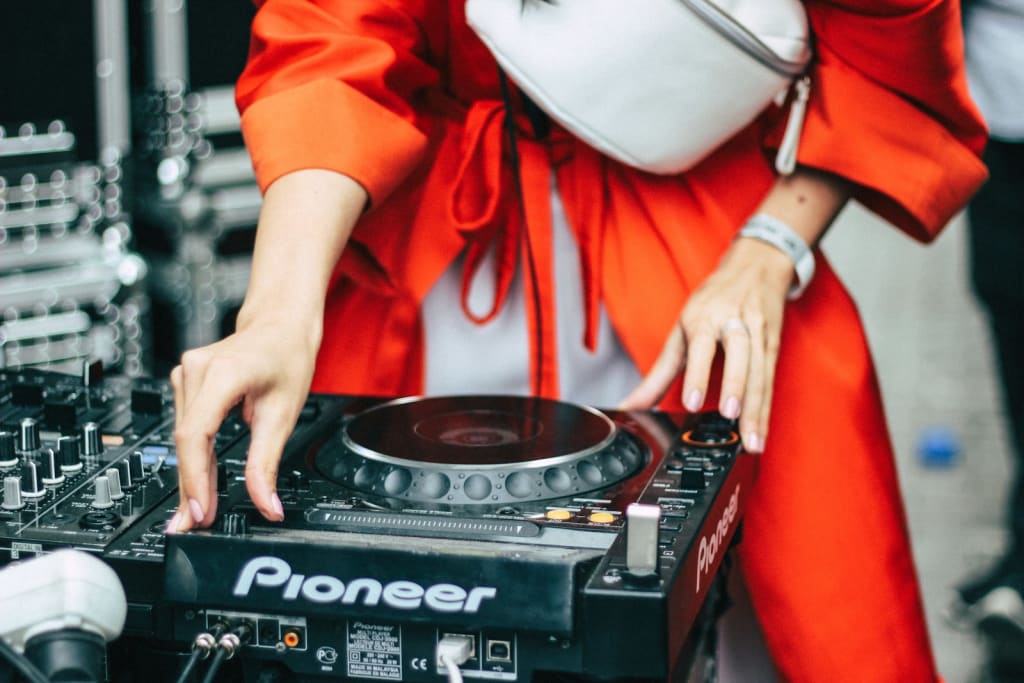
The music industry has always been at the forefront of cultural change, but in recent years, the integration of technology has propelled it into an entirely new realm. From the rise of social media platforms like TikTok to the evolution of artificial intelligence in music production, every aspect of how music is created, consumed, and appreciated is being redefined. This transformation brings with it a range of innovations that are influencing not only the industry itself but also the way audiences connect with music on a personal level. In this article, we’ll explore the significant roles of technology and creativity in shaping the modern music landscape.
TikTok’s Role in Transforming Music Promotion
One of the most transformative developments in recent years has been the explosion of TikTok as a platform for music discovery and promotion. Artists now have the power to create viral moments, connecting with audiences on a scale that was previously unimaginable. A TikTok Release has become a strategic move for artists aiming to capture attention and generate buzz. Whether it’s an established musician promoting their latest single or an emerging talent going viral with a snippet of a song, TikTok’s algorithm offers unmatched potential for exposure. This democratization of discovery has reshaped the traditional music marketing model, putting power back into the hands of creators and fans alike.
The Importance of Music A&R in the Digital Era
Behind every great song or artist is a team of professionals who help bring their vision to life, and this is where music A&R comes into play. Understanding music A&R meaning is crucial for grasping how artists navigate the industry. A&R (Artists and Repertoire) teams work tirelessly to identify talent, refine their sound, and connect them with opportunities that align with their artistic goals. In the digital age, their role has expanded to include scouring social media and data analytics to identify potential hits and emerging trends. This evolution underscores the growing importance of data-driven decision-making in an industry that still thrives on creativity and intuition.
The Growing Popularity of Lo-Fi Music
While high-energy beats and elaborate productions dominate certain segments of the music scene, a quieter revolution is taking place. Lo-Fi music, characterized by its relaxed, minimalistic soundscapes, has captivated a diverse audience seeking solace in simplicity. Lo-Fi artists have carved out a unique niche by embracing imperfections, using subtle distortions, and evoking nostalgia through their compositions. This genre thrives on platforms like YouTube and Spotify, where curated playlists offer a sanctuary for listeners looking to unwind, focus, or simply escape the noise of the modern world. The appeal of Lo-Fi lies not just in its sound but also in its ability to create deeply personal and introspective moments for its audience.
AI in Music Production: A Game-Changer
The role of artificial intelligence in music production is no longer a concept of the future—it’s happening now. The creation of an AI song mix showcases how technology is not only assisting artists but also enhancing the creative process. AI-powered tools can analyze existing tracks, suggest improvements, and even compose entirely new pieces of music. While some argue that this diminishes the human touch, others see it as an opportunity to explore new artistic possibilities. AI offers artists and producers the chance to experiment with sounds and styles that might have been impossible or prohibitively expensive to achieve through traditional means.
Is Music Still Considered an Art Form?
In the midst of technological advancements, it’s worth revisiting the fundamental question of whether is music considered art in this age of digitization. The essence of music lies in its ability to convey emotions, tell stories, and connect people. While some purists worry that AI and algorithm-driven creations might strip away the authenticity of music, others believe that these tools simply represent the next evolution in the art form. By enabling new avenues for creativity, technology has expanded what it means to be an artist, ensuring that music remains as much about expression as it is about innovation.
Conclusion
The intersection of music and technology has opened up a world of possibilities, bridging the gap between creators and audiences in ways that were unimaginable just a few decades ago. Whether through the viral power of TikTok, the innovation of AI-driven compositions, or the soothing simplicity of Lo-Fi music, these developments are reshaping the industry and expanding our understanding of what music can be. As we navigate this ever-evolving landscape, it’s clear that the future of music is one where technology and artistry coexist, pushing the boundaries of creativity.
About the Creator
Enjoyed the story? Support the Creator.
Subscribe for free to receive all their stories in your feed.
Comments
There are no comments for this story
Be the first to respond and start the conversation.