
The Importance of Stage Names and Branding in Music
music
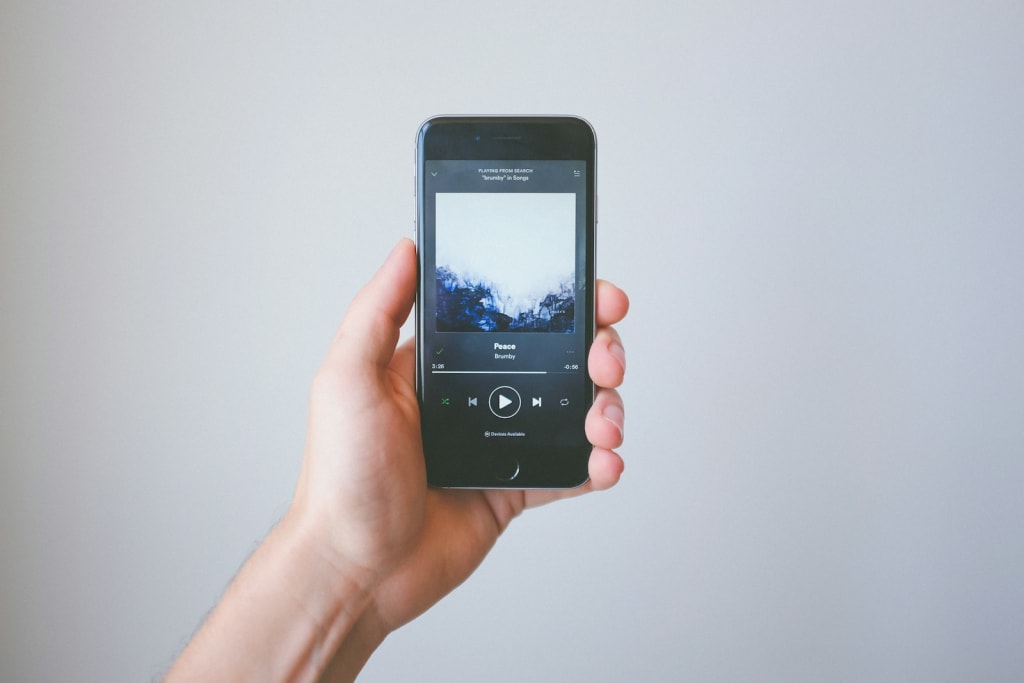
In the music industry, your name is much more than a label—it’s a brand. A compelling stage name can become a cornerstone of your career, helping you stand out, connect with audiences, and create a lasting impression. Whether you’re an independent artist or working under a label, your stage name and branding hold the power to influence your success significantly.
In this article, we’ll dive into the importance of stage names, how they shape your musical identity, and how tools like a singer name generator can simplify the process of choosing the perfect name. We’ll also explore how branding aligns with modern music production and promotion strategies, ensuring your audience remembers you long after the music stops.
Why a Stage Name Matters
A stage name is an integral part of your brand identity, and choosing one is not a decision to take lightly. It reflects who you are as an artist and what your music represents. The right name can make you more relatable to your audience, and if done right, it can even set the tone for your entire musical journey.
For example, iconic names like Lady Gaga, Eminem, or The Weeknd evoke immediate recognition. These artists have seamlessly tied their personas to their music, using their names to leave an unforgettable mark on the industry. The process doesn’t have to be daunting—a tool like the singer name generator can offer inspiration by generating creative and unique suggestions tailored to your style and personality.
The Role of Branding in the Music Industry
Branding is much more than just having a memorable name. It encompasses your visual identity, message, and how you communicate with your audience. In today’s saturated market, where countless songs are released daily, strong branding can help you cut through the noise.
Visual Branding
From album covers to merchandise and music videos, visual elements play a significant role in how your audience perceives you. Consistency is key—whether it’s a specific color scheme, font, or logo, these elements help establish your image. For instance, if your music focuses on themes of nostalgia, your branding might incorporate retro aesthetics to strengthen that connection.
Messaging and Tone
Your messaging should align with your personality and the type of music you create. For instance, if your music tackles social justice issues, your branding might emphasize activism and community engagement. On the other hand, if your music focuses on fun and entertainment, a more playful and dynamic tone might resonate better with fans.
Social Media Presence
Social media platforms are a major avenue for self-promotion. Platforms like Instagram, TikTok, and Aduoimack are essential tools for building your brand and connecting with fans. For instance, Aduoimack offers musicians a dedicated platform to share their music and engage with a like-minded community. Leveraging such platforms with consistent branding enhances recognition and recall.
How Stage Names Influence Perception
Your stage name influences how your audience perceives you even before they hear your music. A well-chosen name can create intrigue, set expectations, or highlight your cultural background. It’s essential to select a name that resonates with your audience while staying true to your identity.
If you’re unsure where to start, the singer name generator can help kickstart the brainstorming process. By offering options based on your preferences, it simplifies the task of narrowing down choices. Once you’ve settled on a name, ensuring consistency across platforms—Spotify, social media, and promotional materials—is vital.
Monetizing Your Brand in the Streaming Era
With the rise of music streaming platforms, artists have more opportunities than ever to monetize their brand. Platforms like Spotify have transformed the way artists distribute and earn from their music. Understanding how much do artists make on Spotify is crucial for planning your financial strategies.
While earnings vary based on factors like the number of streams and location, branding plays a role in driving traffic to your profile. A memorable stage name coupled with strategic branding increases your visibility, leading to more streams and, ultimately, higher revenue. Pairing this with targeted promotional efforts on platforms like Aduoimack ensures your music reaches the right audience.
Protecting Your Music and Brand
In the digital age, it’s not uncommon for artists to face copyright issues or challenges related to intellectual property. When using music you don’t own, it’s critical to include disclaimers like “I don’t own the rights to this music”. This phrase is often used when covering or remixing songs, and it’s vital to understand the legal implications of using copyrighted material.
By securing proper licenses and trademarking your stage name, you protect your brand and work from misuse. This proactive approach not only safeguards your artistic identity but also ensures your audience associates your name with authenticity and originality.
Conclusion
Your stage name and branding are more than just superficial aspects of your career—they’re powerful tools that define your identity and set you apart in a competitive industry. By taking the time to choose a meaningful name and crafting a cohesive brand, you can create a legacy that resonates with your audience and paves the way for long-term success.
So, what’s your next step? Start by exploring the singer name generator and experimenting with different ideas. Combine your unique identity with tools like Aduoimack and strategic branding efforts to make your mark. What’s your take on branding as a musician? Share your experiences or ask questions in the comments below!
About the Creator
Enjoyed the story? Support the Creator.
Subscribe for free to receive all their stories in your feed.
Comments
There are no comments for this story
Be the first to respond and start the conversation.