
The Importance of Rankings in the Music Industry
Music Industry
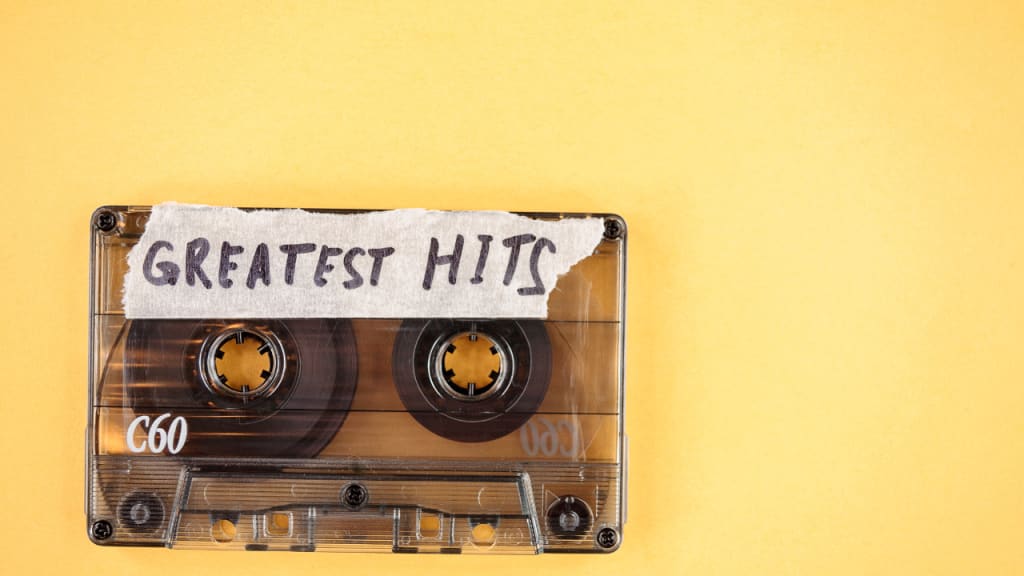
In an era where digital platforms dominate, music rankings play an indispensable role in shaping public perception and determining success. Spotify, one of the largest streaming platforms in the world, offers a unique window into global and regional music trends. Its Spotify ranking system reflects not only what people are listening to but also what resonates with diverse audiences worldwide. From independent artists breaking into the mainstream to regional music making waves globally, rankings act as a bridge between listeners and artists.
In this article, we’ll explore why rankings are important, how they influence the music industry, and their connection to tools like collaborative playlists, lyric searches, and the rise of regional genres like the Punjabi music industry.
What Do Spotify Rankings Really Reflect?
Spotify’s rankings are a mix of quantitative metrics, including streams, downloads, and engagement rates. They also consider the duration listeners spend on tracks and playlists, offering a holistic view of a song’s popularity. These rankings aren’t just numbers—they tell stories about what people love, what moods they’re in, and even what’s trending globally.
For instance, chart-topping songs often reflect cultural shifts. A song like Taylor Swift’s “Anti-Hero” climbing the Spotify charts shows not just her artistry but the emotional connection it creates with fans. Rankings are also a critical tool for emerging artists trying to break into the mainstream. A high rank can mean the difference between obscurity and international stardom.
Collaborative Playlists: A New Path to Popularity
While traditional rankings spotlight individual songs or artists, Spotify's collaborative playlist Spotify feature offers a democratized way for music to gain traction. Fans can create, share, and build playlists together, often promoting lesser-known tracks that might not otherwise climb the charts.
For instance, collaborative playlists focusing on niche genres like indie rock or regional styles such as the Punjabi music industry have been instrumental in bringing these genres into mainstream conversations. These playlists become mini-ranking systems themselves, where songs rise in visibility based on the enthusiasm of the contributors.
Why Rankings Matter to Artists and Fans
For artists, rankings are more than a measure of success—they’re a marketing tool. A song that hits the top 10 on Spotify often gains traction on other platforms, including YouTube, TikTok, and even traditional radio. High rankings can lead to lucrative brand partnerships, sold-out tours, and awards, further cementing an artist’s legacy.
For fans, rankings serve as a guide to what’s hot. While some listeners prefer to explore niche tracks, many rely on charts to find new music. Rankings act as a curated experience, helping people discover hits that they might otherwise miss.
Tracking Trends in the Spotify Rankings
Spotify rankings are constantly shifting, offering a dynamic look at global and regional music trends. For example, the rise of Afrobeats and K-pop demonstrates how genres that were once considered niche are now dominating charts worldwide.
The Punjabi music industry is another prime example. Artists like Diljit Dosanjh and AP Dhillon have managed to secure places on Spotify charts, even among international heavyweights. These trends highlight the growing appetite for diverse musical experiences, reflecting a global audience that’s more open to exploring new sounds.
Discovering Music Beyond Rankings with Lyrics
While rankings are essential, they aren’t the only way to find great music. Tools like Spotify’s lyric search feature enable listeners to find a song by lyrics they can’t get out of their heads. Whether it’s a snippet of a verse or a catchy chorus, lyric searches can lead to rediscovery of older songs or uncover tracks that have gone viral on social media.
This feature complements rankings by offering an alternative way to discover music. A song might not be in the top 10 but could still resonate deeply with a niche audience, gaining traction through lyric searches instead of streams alone.
Punjabi Music’s Role in Global Rankings
The Punjabi music genre is one of the most exciting developments in recent years. Known for its vibrant beats and emotional storytelling, the Punjabi music industry has captured global attention. Tracks like “Brown Munde” by AP Dhillon have amassed millions of streams, climbing Spotify rankings in countries far beyond India.
This success reflects how regional genres can achieve international acclaim, especially when supported by streaming platforms. Punjabi music is now not just a regional favorite but a global phenomenon, with its unique identity standing strong in the global rankings.
Conclusion
Spotify rankings are more than just a list—they’re a mirror of cultural movements and a launchpad for artists across genres. From the collaborative playlist Spotify feature promoting new talent to tools that help listeners find a song by lyrics, rankings play a pivotal role in how we consume and celebrate music.
Genres like the Punjabi music industry prove that the world of music is increasingly inclusive, with regional styles climbing global charts. As fans, we hold the power to shape these rankings by streaming, sharing, and curating playlists.
What’s your favorite song on the charts right now? How do rankings influence your music choices? Share your thoughts in the comments below!
About the Creator
Enjoyed the story? Support the Creator.
Subscribe for free to receive all their stories in your feed.
Comments
There are no comments for this story
Be the first to respond and start the conversation.