
The Hidden Labor Behind Major Sporting Events
Sports Politics

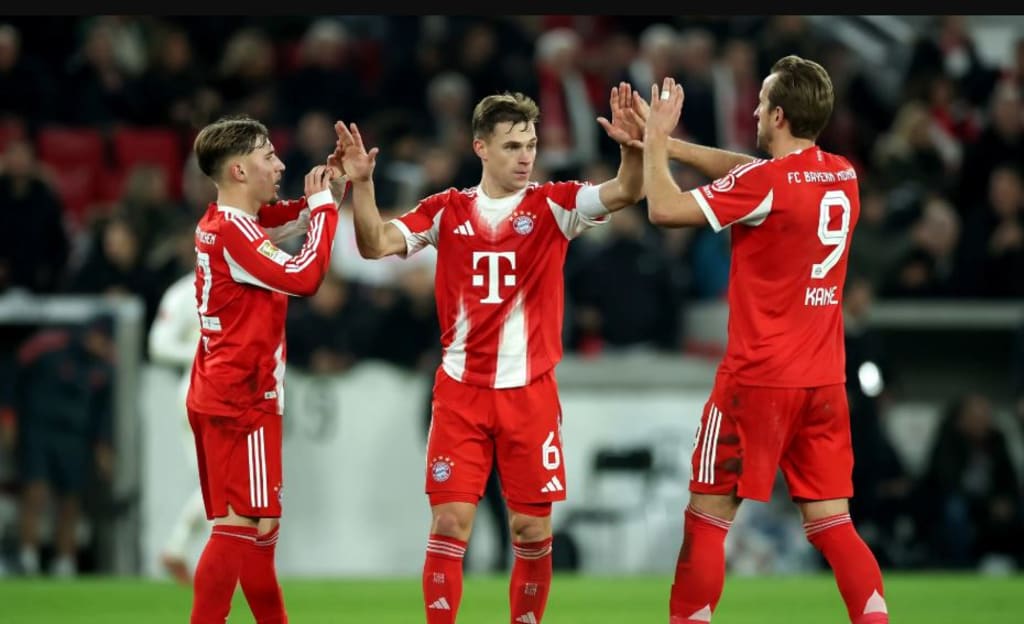
Major sporting events are often presented as spectacles of athletic excellence, national pride, and entertainment. Fans usually focus on star athletes, dramatic competition, and record-breaking performances. Yet behind every global tournament, championship, or international competition exists an enormous system of labor that remains largely invisible to audiences.
Stadium workers, cleaners, transport staff, construction crews, security personnel, broadcasters, caterers, volunteers, and logistical coordinators all contribute to making these events possible. The scale of modern sports infrastructure means that major events depend not only on elite athletes, but on thousands of workers whose efforts are often overlooked. Examining this hidden labor reveals the complex economic, social, and ethical systems that support global sports culture.
Building the Infrastructure
Before a major sporting event can begin, enormous infrastructure systems must be planned, financed, and constructed. Stadiums, transportation networks, athlete housing, media centers, hotels, roads, and public gathering spaces often require years of preparation involving thousands of workers across multiple industries. While audiences primarily see the finished spectacle, the event itself depends on large-scale construction and logistical labor that usually remains invisible once competition starts.
Stadium construction is often the most visible part of this process. Modern sports venues are highly complex engineering projects requiring architects, engineers, electricians, steelworkers, crane operators, safety inspectors, and maintenance crews. These structures must meet strict international standards for broadcasting, crowd management, athlete facilities, and security. Deadlines are frequently tied to immovable event schedules, creating intense pressure on construction timelines and labor forces.
Beyond stadiums, host cities often expand transportation infrastructure to accommodate large numbers of visitors. Airports, train systems, highways, pedestrian zones, and public transit networks may be upgraded or newly built. These projects are usually promoted as long-term investments that will continue benefiting cities after the event concludes. However, they also involve substantial financial and labor commitments during preparation periods.
Major sporting events frequently rely on migrant labor, especially in countries experiencing rapid infrastructure expansion. This has led to increasing global attention on labor conditions connected to sports mega-events. Concerns surrounding wages, worker safety, housing quality, excessive working hours, and legal protections have become central ethical issues in international sports discussions.
The infrastructure process also affects local communities. Construction may displace residents, reshape neighborhoods, or redirect public funding toward event-related projects instead of other social priorities. Supporters argue that these developments modernize cities and stimulate economic growth, while critics question whether benefits are distributed fairly.
Importantly, infrastructure labor continues even after construction ends. Maintenance teams, technicians, cleaners, and operational staff are required to keep facilities functioning throughout the event itself.
Ultimately, major sporting events depend on years of physical labor and urban transformation long before the first competition begins, revealing how deeply sports spectacles are connected to large-scale systems of construction and development.
The Workforce Behind Event Operations
Once a major sporting event begins, an enormous operational workforce takes over to ensure that competitions run smoothly, safely, and efficiently. While spectators focus on athletes and performances, thousands of workers coordinate logistics behind the scenes every hour of the event. Their labor is essential to maintaining order, comfort, security, and overall functionality across stadiums, transportation systems, media centers, and public spaces.
Security personnel are among the most visible operational workers. They manage crowd control, conduct screenings, monitor restricted areas, respond to emergencies, and coordinate with police and medical teams. Large sporting events involve significant safety planning because of the massive concentration of spectators, international visitors, and public attention.
Transportation workers also play a crucial role. Bus drivers, train operators, airport staff, traffic coordinators, and logistics teams help move athletes, officials, journalists, and fans across host cities. Delays or transportation failures can disrupt entire event schedules, making efficient coordination essential.
Inside venues, cleaners and maintenance crews work continuously to manage waste, repair facilities, sanitize restrooms, and prepare seating areas between competitions. Their work is often physically demanding and highly time-sensitive, especially in stadiums hosting multiple events within short periods.
Medical teams remain on constant standby as well. Doctors, paramedics, physiotherapists, and emergency responders support both athletes and spectators, handling injuries, dehydration, crowd-related incidents, and other health concerns that arise during large gatherings.
Hospitality and catering staff contribute significantly to the spectator experience. Vendors, cooks, servers, and customer service personnel manage food operations and assist attendees throughout the event. Although this labor may appear routine, the scale of international tournaments creates intense workloads and long shifts.
Importantly, many operational workers remain largely invisible precisely because successful events depend on their work going unnoticed. Fans usually recognize these systems only when something fails—transportation breakdowns, security issues, or sanitation problems immediately reveal how much unseen coordination is required.
Ultimately, the smooth functioning of major sporting events relies not only on athletes and organizers, but on vast operational workforces performing continuous logistical, technical, and service labor behind the scenes.
Volunteers and Unpaid Labor
Major sporting events frequently depend on large volunteer workforces to support daily operations. International tournaments such as the Olympic Games and the FIFA World Cup often recruit tens of thousands of volunteers to assist with transportation, ticketing, translation, media coordination, hospitality, accreditation, and crowd guidance. These volunteers become a highly visible part of the event atmosphere, yet their labor raises important questions about compensation, value, and the economics of modern sports.
Organizers typically present volunteering as an opportunity rather than employment. Participants may receive uniforms, meals, training, event access, or certificates, but little or no direct pay. Many people willingly participate because they view the experience as prestigious, socially meaningful, or emotionally rewarding. Volunteers often enjoy the excitement of being connected to globally recognized sporting events and contributing to a collective national or international project.
Volunteers also help create the welcoming image associated with major tournaments. They guide visitors, answer questions, assist confused spectators, and provide local cultural interaction. In many cases, volunteers perform forms of emotional labor by maintaining friendliness, enthusiasm, and professionalism throughout long shifts and stressful conditions.
However, critics argue that reliance on unpaid labor reflects broader inequalities within the sports industry. Major events generate enormous profits through sponsorships, broadcasting rights, ticket sales, and tourism, yet many essential operational roles remain uncompensated. Some observers question whether highly commercialized organizations should depend so heavily on free labor to sustain profitable spectacles.
There are also concerns about access and fairness. Volunteering often requires flexible schedules, transportation access, and financial stability, meaning participation may favor people who can afford unpaid work. This can limit opportunities for lower-income individuals who cannot sacrifice paid employment.
Despite these criticisms, many volunteers describe the experience positively, emphasizing social connection, cultural exchange, and personal fulfillment. For some, participation creates lasting memories and a sense of contribution to a historic event.
Ultimately, volunteer labor occupies a complex position within major sporting events: it combines genuine enthusiasm and community involvement with broader economic questions about work, value, and compensation in global sports culture.
Broadcasting, Media, and Digital Production
Modern sporting events are not only physical competitions but also massive media productions designed for global audiences. Millions of people experience major tournaments primarily through television broadcasts, livestreams, highlights, social media clips, and digital updates rather than attending in person. Behind this constant flow of content exists an enormous workforce responsible for capturing, editing, producing, and distributing sports coverage in real time.
Broadcasting operations begin long before competition starts. Technical teams install cameras, audio systems, lighting rigs, commentary booths, satellite connections, and transmission infrastructure throughout venues. Camera operators coordinate complex shot sequences, while directors and producers manage live feeds that must transition instantly between athletes, crowd reactions, statistics, and commentary.
Sports broadcasting also depends heavily on specialized technical labor. Sound engineers balance crowd noise and commentary, replay operators generate slow-motion analysis, graphic designers create live statistics and score overlays, and data analysts track player performance in real time. Even minor technical failures can disrupt broadcasts viewed by millions worldwide.
Digital media has expanded these demands significantly. Sporting organizations now produce continuous online content before, during, and after events. Social media managers, editors, photographers, translators, and content creators work around the clock to publish highlights, interviews, reactions, and behind-the-scenes material across multiple platforms. Fans increasingly expect immediate updates, creating pressure for constant production speed and accuracy.
Journalists and commentators also perform substantial labor beyond what viewers see onscreen. Research teams compile statistics, verify information, prepare athlete profiles, and monitor developing stories throughout tournaments. Reporters often work extremely long hours covering training sessions, press conferences, travel logistics, and live competition simultaneously.
Importantly, much of this media labor remains invisible because successful broadcasting appears effortless to audiences. Viewers typically notice the system only when technical problems interrupt coverage or information fails to update properly.
The commercial importance of broadcasting has also transformed sports economics. Television rights and digital distribution agreements now generate enormous revenue for leagues and governing organizations, increasing pressure on media teams to deliver polished, uninterrupted global spectacles.
Ultimately, modern sports events depend as much on media production and digital infrastructure as on athletic competition itself, making broadcasting labor central to how contemporary sports are experienced worldwide.
Emotional and Service Labor
Major sporting events rely not only on physical and technical work, but also on extensive emotional and service labor performed by thousands of workers throughout the event environment. Hospitality staff, volunteers, customer service teams, ushers, event coordinators, and guest relations personnel all contribute to shaping the atmosphere that spectators associate with large-scale sports experiences. Their role extends beyond completing practical tasks; they are expected to manage emotions, maintain professionalism, and create positive interactions regardless of stress or exhaustion.
Emotional labor involves regulating personal feelings and behavior to meet organizational expectations. At sporting events, workers are often required to remain friendly, patient, energetic, and welcoming even during difficult situations such as overcrowding, complaints, scheduling delays, or aggressive spectator behavior. Maintaining enthusiasm becomes part of the job itself.
This labor is particularly important because fan experience significantly influences how events are remembered publicly. Spectators may judge an event not only by athletic competition, but also by how smoothly they were guided through transportation systems, how respectfully they were treated by staff, or how effectively problems were handled during stressful moments. In this sense, emotional labor becomes central to the commercial success and reputation of major sporting events.
Hospitality workers often face especially demanding conditions. Long shifts, constant social interaction, and the pressure of serving large crowds can create both physical and emotional exhaustion. Workers may need to remain calm while handling frustrated visitors, language barriers, intoxicated spectators, or emergency situations.
Volunteers and service staff also contribute to the symbolic image of host cities and countries. Their friendliness, communication style, and professionalism frequently shape international perceptions of the event itself. Organizers therefore place strong emphasis on presentation, demeanor, and interpersonal conduct.
Despite its importance, emotional labor is often undervalued because it leaves no visible physical product. The smoother and more pleasant the experience feels to visitors, the more invisible the labor behind it becomes.
Ultimately, emotional and service labor are essential components of modern sporting spectacles. The excitement, comfort, and atmosphere associated with major events depend heavily on workers whose interpersonal effort helps transform large competitions into memorable public experiences.
Economic Benefits and Unequal Rewards
Major sporting events generate enormous revenue through broadcasting rights, sponsorships, tourism, and merchandising. However, the financial rewards are distributed unevenly. Athletes, governing organizations, broadcasters, and sponsors often receive the largest economic benefits, while many support workers remain in relatively low-paid or temporary positions.
This imbalance has fueled debates about labor protections, fair wages, and long-term economic impact for host communities.
The Temporary Nature of Mega-Event Labor
Another challenge is the temporary structure of event-based employment. Many jobs created for major tournaments disappear once the event ends. Stadium construction crews, temporary staff, and hospitality workers may experience only short-term employment despite years of preparation surrounding the event itself.
In some host cities, expensive infrastructure later becomes underused, raising questions about sustainability and long-term labor value.
Conclusion
Major sporting events are sustained by vast networks of hidden labor extending far beyond the athletes on the field. Construction workers, cleaners, technicians, drivers, volunteers, service staff, and countless others make global sports spectacles operational and emotionally engaging.
While audiences often celebrate competition and entertainment, the success of these events depends equally on workers whose contributions remain largely invisible. Recognizing this hidden labor offers a fuller understanding of modern sports as not only athletic performances, but also large-scale systems of coordination, service, and human effort.
About the Creator
Gus Woltmann
Hi everyone, nice to meet you all! I am Gus Woltmann, sports journalist from Toronto.
Enjoyed the story? Support the Creator.
Subscribe for free to receive all their stories in your feed.
Comments
There are no comments for this story
Be the first to respond and start the conversation.