
The Growing Appeal of Miami Boat Charters in an Experience-Driven Economy
Recreational boating in Miami is no longer just for the wealthy — and that changes everything

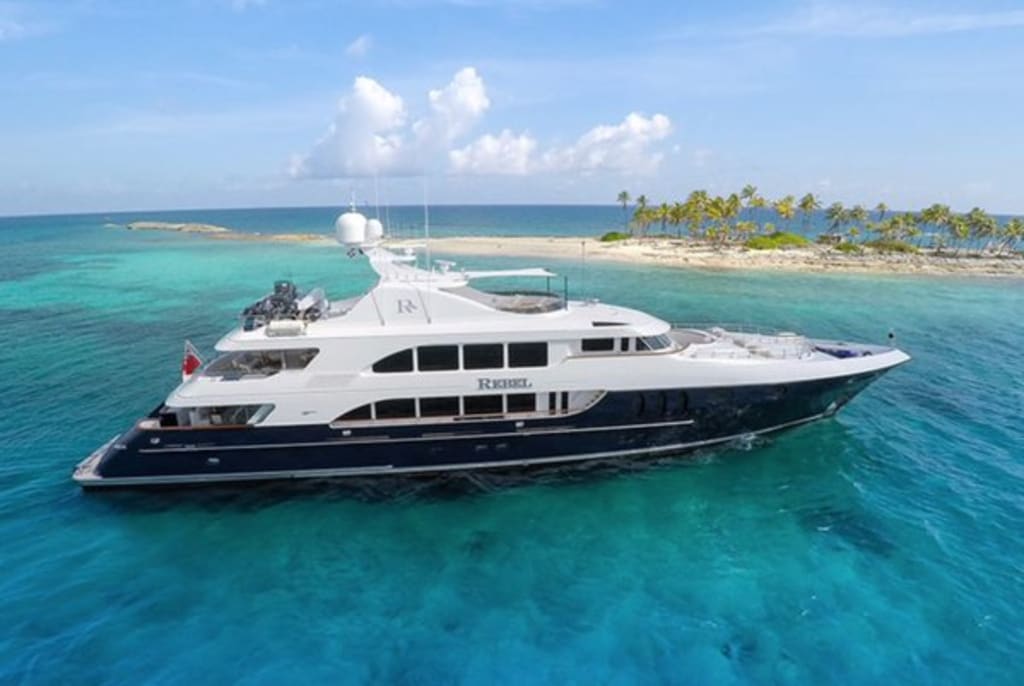
Spend any amount of time in Miami and you will notice something. The water is everywhere. It is not background scenery — it is genuinely central to the way the city feels and functions. Biscayne Bay wraps around the eastern edge of the urban grid, the Atlantic stretches beyond it, and on almost any given day, there are boats out there. Small ones, large ones, fishing vessels, party boats, sleek charter yachts moving slowly past the downtown skyline.
For years, being on one of those boats required either knowing the right people or having serious money. That has changed. And the reasons it changed — and why it matters — say something interesting about where leisure culture is actually heading.
The Ownership Question Nobody Talks About
Here is the thing about owning a boat that boat owners will eventually admit: it is a lot. The purchase is just the beginning. After that comes the slip fees, the insurance, the maintenance schedule, the mechanical failures that always seem to happen at the worst possible time, and the ongoing low-grade stress of keeping something that lives in saltwater in reasonable working condition. Saltwater is not kind to equipment.
Most people who seriously consider buying a boat in Miami end up doing the math and stepping back. The numbers rarely make sense unless you are genuinely passionate about boating and plan to use the vessel constantly. Even then, plenty of dedicated boaters eventually sell and move to charters because the freedom of not owning turns out to be worth more than the prestige of ownership.
What a charter gives you is the whole experience — the water, the movement, the Miami skyline from a perspective most people never see — without any of the weight that comes after the fun part ends. You show up at the dock. You spend a few hours on the bay. You leave. Someone else handles the rest. For a growing number of people, that is not a lesser version of boating. It is a better one.
Miami From the Water Is a Different City
This sounds like something people say without fully meaning it, but it is genuinely true. Miami from the water is not the same place as Miami from the highway or even from South Beach.
The skyline makes sense from out on the bay in a way it never quite does from street level, where you only ever see parts of it between buildings and overpasses. From the water, the whole thing sits there — Brickell, downtown, the Port of Miami, the causeways threading between the islands. Star Island and Palm Island reveal their actual scale. You realize how close everything is to everything else, and also how much of the city exists in direct relationship to the water in ways that land-based movement just does not communicate.
Then there is the sensory reality of being out there. The heat in Miami can feel oppressive when you are standing on asphalt, but on the water it becomes something else entirely. There is almost always a breeze. The light in the afternoon hits the surface of the bay in a way that is genuinely hard to describe to someone who has not seen it. The city recedes and the horizon opens up, and for a few hours you are somewhere that feels removed from the noise and density of urban life even though the skyline is right there in front of you.
Visitors to Miami often say that a charter afternoon was the best part of their trip. That is not an accident. It is what the water does.
Why the Charter Market Grew the Way It Did
The honest answer is that the charter market in Miami grew because the conditions were right and the timing was good.
Consumer preferences shifted meaningfully over the past fifteen years or so toward experiences and away from possessions. This is well-documented at this point — surveys, spending data, and just general observation all point in the same direction. People, especially but not exclusively younger people, would rather spend money on something they will remember than on something they will own. A charter fits that preference perfectly. It is inherently experiential. You cannot take it home and put it on a shelf, but you will think about it for a long time afterward.
At the same time, the logistics of booking a charter became dramatically simpler. What used to require local contacts or industry knowledge is now a straightforward online process. You search, you compare vessels and captains and prices, you read recent reviews, you book. The opacity that used to surround the charter market — who is reputable, what is a fair price, what exactly you are getting — has largely disappeared. That transparency brought in a lot of people who would not have known where to start before.
The range of what is available expanded too. It is not just standard bay tours anymore. There are sunset cruises, corporate group charters, fishing trips, snorkeling excursions, multi-day trips through the Keys. Different vessels for different group sizes and different purposes. The market matured and diversified, which brought in customer segments that the older, more limited version of the industry never really reached.
The Group Experience Factor
Something that does not get mentioned enough when people talk about boat charters is how well the format works for groups.
A boat is a contained space. When a group of people — friends, family, colleagues — gets on a charter together, they are sharing an environment that moves, that goes somewhere, that gives everyone a common experience to react to and talk about. There is no splitting off to different parts of a venue, no one disappearing into their phone for extended periods, no ambient noise making it hard to hold a real conversation. It is just the group, the water, and wherever the boat is headed.
This turns out to matter a lot for the quality of social interaction. People talk differently on a boat than they do at a restaurant or a bar. The setting is unusual enough to pull them out of routine conversational patterns. There is something about being on the water — the movement, the openness, the slight unpredictability of it — that loosens people up in a genuinely useful way.
Corporate clients have noticed this. Charter bookings for company groups in Miami have grown into a significant slice of the market. Teams use them for offsites, for client entertaining, for celebrating milestones. The experience is distinctive enough to be memorable, relaxed enough to generate real conversation, and visually impressive enough that no one is going to feel like they wasted their afternoon. Miami's charter operators have built out their offerings for this segment — catering, bar service, customized itineraries — because the demand is real and consistent.
The Environmental Side of the Conversation
It would be incomplete to talk about recreational boating in Miami without acknowledging that Biscayne Bay has real environmental pressures. Seagrass degradation, water quality issues, and the cumulative effects of boat traffic in shallow areas are documented problems. Anyone who has spent time on the bay over the past couple of decades has noticed changes.
Charter operators exist in an interesting position relative to this. They depend on the bay being beautiful and healthy — their business evaporates if the environment degrades badly enough. That creates a genuine incentive for responsible practices that the private boating market does not always share to the same degree.
Better anchoring practices, waste protocols, guest education about what they are looking at and why it matters — these have become increasingly standard among the better operators. Some are beginning to move toward lower-emission vessels, partly ahead of likely regulatory changes and partly because their customers are starting to ask about it. Environmental considerations have started showing up in charter reviews, which means they are starting to influence booking decisions, which means operators have real market reasons to take them seriously.
It is not a solved problem. But the direction is at least the right one.
What This All Adds Up To
Miami boat charters became what they are — a mature, diverse, economically significant part of the city's leisure landscape — because a set of conditions aligned in a way that made it almost inevitable. The physical environment is exceptional. Consumer preferences shifted toward exactly the kind of experience charters provide. The logistics became simple enough that curiosity alone is enough motivation to try it. And the industry professionalized and diversified in response to genuine demand.
The water was always there. Miami has always been a city defined in part by its relationship to the ocean and the bay. What changed is that a professional industry grew up around making that relationship accessible to anyone who wants it, not just to people who can afford a boat of their own.
That is a straightforward thing. But it is also, when you think about what it actually means to spend an afternoon out on Biscayne Bay watching the city from the water, a pretty good one.
About the Creator
Miami Boat Charter
Miami Boat Charters offers the largest and newest selection of fully crewed Boat Charters, Party Boats, & Luxury Yacht Rentals in Miami Beach.
Enjoyed the story? Support the Creator.
Subscribe for free to receive all their stories in your feed.
Comments
There are no comments for this story
Be the first to respond and start the conversation.