
The Future of Music: Trends Shaping the Industry in 2024 and Beyond
music
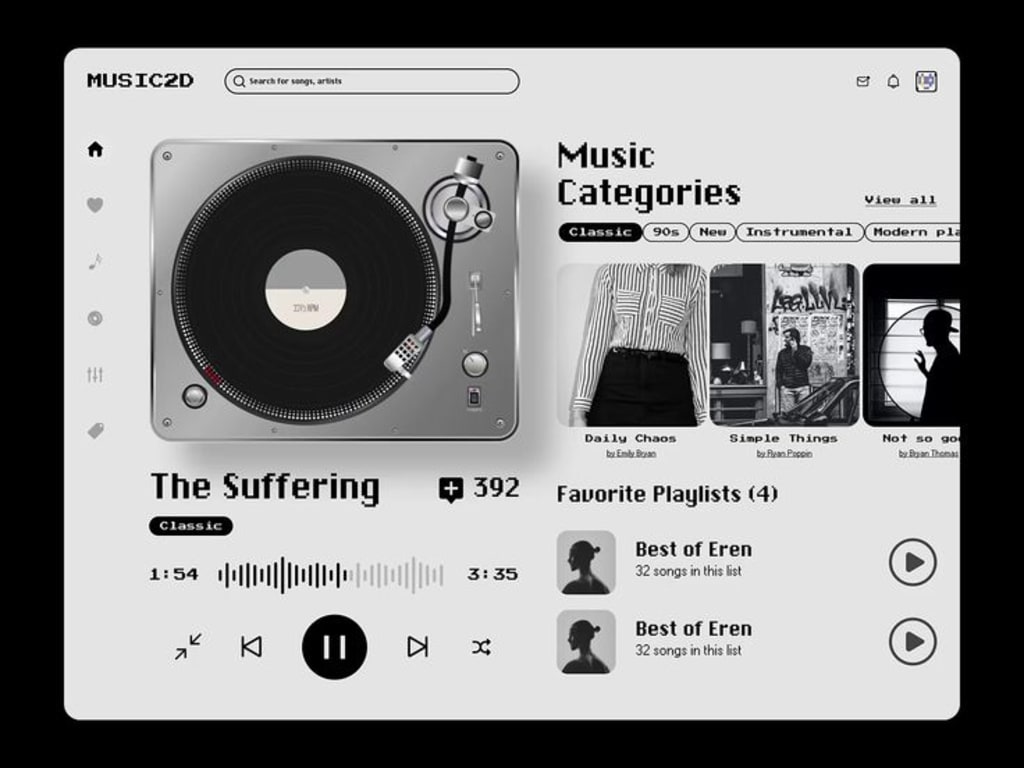
The music industry is evolving faster than ever before. With technological advancements, innovative business models, and a shift in consumer behavior, the landscape of music production, distribution, and consumption is undergoing profound changes. Industry giants and emerging players alike are setting the stage for a future where creativity meets innovation. This article explores the key trends shaping the music industry in 2024 and beyond, providing insights into how the ecosystem continues to adapt and grow.
1. Music Mergers: Powering Strategic Collaborations
One of the most significant developments in the music world is the rise of strategic music merger deals. These mergers allow companies to pool resources, enhance their market presence, and deliver superior services to artists and consumers. For instance, mergers often result in combined catalogs that increase exposure for lesser-known artists while giving audiences access to a more diverse range of music.
The benefits of these mergers extend beyond just business consolidation. They enable companies to invest in emerging technologies, including AI-driven tools that optimize music creation and curation. As competition grows, these partnerships help create a more resilient and forward-thinking industry.
2. The Role of Sony Music Entertainment in Setting Industry Benchmarks
A prominent name in the music industry, Sony Music Entertainment is at the forefront of innovation. The company continues to expand its digital presence, signing new talent and collaborating with streaming platforms to reach global audiences.
Sony’s commitment to embracing technology is evident in its approach to artist development and rights management. By integrating data analytics and AI, Sony helps its artists make informed decisions about production, distribution, and audience engagement. The company’s leadership reflects a broader industry trend of leveraging technology to enhance creativity and streamline operations.
3. AI-Powered Tools Like Music Gen Are Transforming Creation
Artificial intelligence is no longer a futuristic concept in the music industry; it’s a reality shaping the creative process. Tools like music gen allow artists to experiment with new sounds, compose melodies, and even generate complete tracks.
AI-powered platforms also make music production more accessible to independent creators. By reducing the time and cost associated with traditional methods, these tools democratize music creation and open the doors for emerging talents worldwide. While some purists question the authenticity of AI-generated music, the technology’s ability to enhance human creativity cannot be denied.
4. Streaming Services and Music Price Dynamics
The pricing models of streaming platforms remain a hot topic in the industry. As services aim to balance affordability for consumers with fair compensation for artists, the concept of music price continues to evolve. Subscription-based platforms like Spotify and Apple Music offer listeners an almost unlimited catalog at a low monthly fee, but this has raised questions about royalty distribution.
Innovative pricing models, such as user-centric payment systems, are being explored to address these concerns. These systems ensure that revenue is distributed based on individual user behavior rather than aggregate streams, offering a fairer approach for artists while maintaining affordability for listeners.
5. The Sheer Volume of Music on Spotify and Other Platforms
Spotify remains the undisputed leader in the streaming market, offering an extensive library of songs. But just how many songs on Spotify are available? With over 100 million tracks in its catalog, the platform continues to attract millions of users worldwide.
The abundance of music poses both opportunities and challenges. On the one hand, listeners have access to a diverse range of genres and artists. On the other hand, independent musicians often struggle to stand out in such a saturated market. Spotify’s algorithms and curated playlists are designed to address this, but the effectiveness of these tools in promoting new talent remains a subject of debate.
6. The Rise of Personalized Music Experiences
Personalization is becoming a cornerstone of the music industry. Streaming platforms now use advanced algorithms to recommend tracks based on user preferences, creating a tailored listening experience. From custom playlists to AI-generated radio stations, personalization enhances user engagement and fosters deeper connections between artists and their audiences.
As wearable technology and smart devices continue to evolve, the integration of music with everyday life is becoming more seamless. Voice-activated assistants and fitness trackers, for instance, offer users music suggestions based on their activities and moods. This trend not only enhances the listening experience but also creates new opportunities for artists to reach their fans.
7. Exploring New Revenue Streams for Artists
In addition to traditional royalties, artists are exploring new revenue streams such as NFTs, virtual concerts, and exclusive content subscriptions. NFTs (non-fungible tokens) allow artists to monetize unique digital assets, while virtual concerts provide a platform for global audience engagement without geographical constraints.
Platforms like Patreon and OnlyFans have also gained popularity among musicians seeking to offer exclusive content to their most loyal fans. These models provide a direct line of support for artists while giving fans unique insights into their creative process.
8. Challenges in Copyright and Intellectual Property
As technology continues to evolve, so do the challenges surrounding copyright and intellectual property. The widespread availability of music on digital platforms makes it easier for unauthorized use and distribution to occur.
AI-generated music has further complicated the issue, raising questions about ownership and authorship. Industry stakeholders are now working on frameworks to address these challenges, ensuring that artists retain control over their creations while benefiting from technological advancements.
Conclusion
The music industry is in the midst of a transformative era, driven by mergers, technological innovations, and evolving consumer expectations. From the impact of strategic music merger deals to the pioneering efforts of Sony Music Entertainment, the industry continues to adapt to the changing landscape. Tools like music gen are making music creation more accessible, while the dynamics of music price reflect the ongoing debate over fair compensation.
What trends in the music industry excite you the most? Share your thoughts in the comments below!
About the Creator
Enjoyed the story? Support the Creator.
Subscribe for free to receive all their stories in your feed.
Comments
There are no comments for this story
Be the first to respond and start the conversation.