
The Future of Music: Trends Shaping the Industry
music
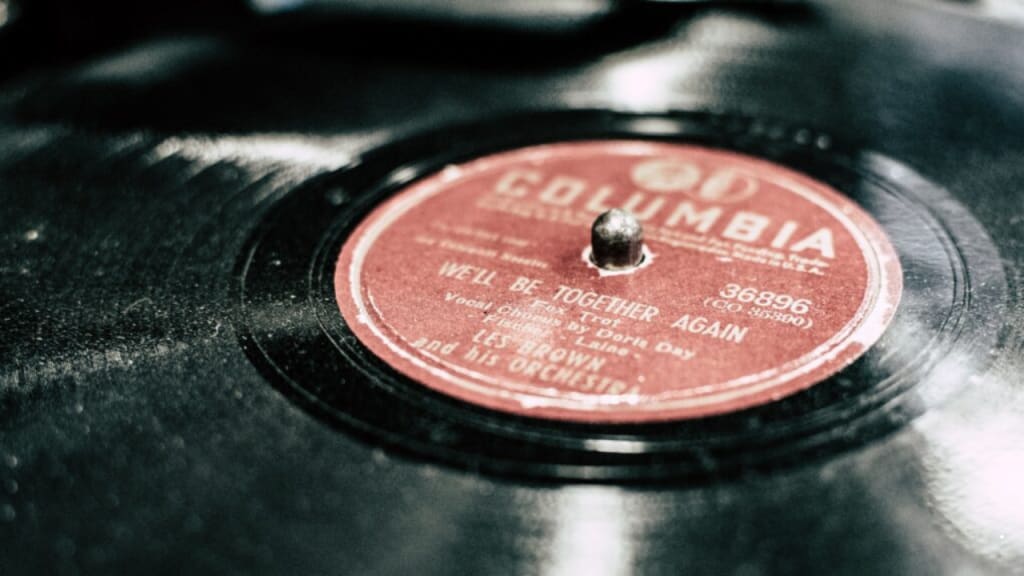
The music industry is in a perpetual state of evolution. Over the decades, it has embraced technological innovations, transformed listening habits, and adapted to shifting cultural trends. With streaming platforms dominating the market and advanced audio technologies enhancing sound quality, the future promises even more exciting possibilities. This article explores some key trends that are shaping the music industry's future and how technology, creativity, and audience preferences converge to create the next chapter in music.
1. The Continued Dominance of Singles
In the digital age, singles have become the most popular format for music releases. Unlike full-length albums that require extensive production time and effort, singles allow artists to maintain a consistent presence in the industry. The trend of releasing singles has proven particularly effective for independent artists, who leverage platforms like Spotify, Apple Music, and SoundCloud to showcase their work.
Understanding what is singles offers insight into how artists strategically release one track at a time to keep audiences engaged. This strategy aligns with short attention spans and the fast-paced nature of social media, where constant content generation is key to staying relevant.
2. Social Media: The New Music Stage
Platforms like Instagram and TikTok have revolutionized music promotion. Short videos paired with trending tracks create viral moments, making it easier for artists to connect with audiences. Instagram, in particular, has embraced its role in music with features like Instagram music, allowing users to integrate songs into stories and reels.
The symbiotic relationship between music and social media has paved the way for unconventional forms of engagement. Fans now co-create content using music, giving tracks additional exposure. As platforms continue to evolve, their role as essential tools for music promotion will only deepen.
3. Advancements in Audio Technology
Audio technology is advancing rapidly, providing listeners with richer and more immersive experiences. Two terms often discussed in this context are Dolby Audio and Dolby Atmos. While Dolby Audio enhances clarity and delivers a balanced sound profile, Dolby Atmos creates a 3D soundscape, making listeners feel like they are part of the music.
Understanding the difference between Dolby Audio and Dolby Atmos is crucial for artists and producers who want to offer cutting-edge audio experiences. As high-fidelity sound becomes more accessible, audiences will expect the same quality across all devices, from headphones to smart speakers.
4. The Role of Music Apps in Audience Engagement
The future of music also lies in how people discover and engage with songs. Music apps like iheart app have become invaluable for listeners who want curated playlists, radio stations, and podcasts in one platform. These apps provide personalized recommendations, connecting users to new artists and genres.
The iheart app, for instance, bridges the gap between traditional radio and modern streaming services. As apps incorporate AI algorithms, their ability to predict user preferences and deliver tailored experiences will continue to improve. This customization ensures that every listener finds something they love, creating stronger emotional connections to the platform and the music.
5. Redefining Songwriting with Digital Tools
Technology has also impacted the creative process of songwriting. From AI-assisted lyric generation to digital collaboration platforms, artists now have more resources at their disposal than ever before. The focus is shifting towards crafting songs that resonate emotionally while being concise enough for the digital age.
Examining the parts of a song lyrics reveals how structure and storytelling play pivotal roles in songwriting. Verses, choruses, and bridges are being designed to capture attention quickly, catering to listeners who often decide within seconds whether to keep playing a track or skip it.
6. Emerging Technologies and the Music Experience
Emerging technologies like virtual reality (VR) and augmented reality (AR) are set to redefine how audiences experience music. Imagine attending a VR concert from the comfort of your living room or using AR to interact with music videos in real time. These technologies offer artists new creative outlets to build immersive worlds around their music.
7. Sustainability in the Music Industry
As environmental concerns grow, the music industry is exploring sustainable practices. Vinyl records, once considered obsolete, have made a comeback, with many manufacturers using eco-friendly materials. Streaming platforms are also investing in renewable energy to power their data centers.
8. Diversity and Inclusion in Music Creation
The music industry is becoming more inclusive, with platforms giving underrepresented voices a chance to shine. Diverse genres and languages are finding global audiences, proving that music transcends cultural barriers.
This trend also extends to the production side, where women, non-binary individuals, and people of color are stepping into roles traditionally dominated by men. This inclusivity enriches the industry, ensuring that it remains innovative and reflective of a global audience.
9. The Resurgence of Live Performances
Live performances are making a significant comeback, blending physical and digital experiences. Hybrid concerts, where fans can attend in-person or stream the event online, are becoming the norm. These setups allow artists to reach a broader audience while providing an intimate concert experience.
10. Personalization: The Key to Listener Loyalty
As competition among streaming platforms intensifies, personalization will be the key differentiator. AI and machine learning algorithms are already shaping the way users interact with music, offering playlists based on mood, activity, or past listening habits.
Conclusion
The future of music is as dynamic as it is exciting. From technological advancements to cultural shifts, every aspect of the industry is evolving. As listeners, we stand on the brink of new ways to discover, experience, and connect with music.
For artists and industry professionals, embracing these trends will be essential to stay ahead of the curve. As we move forward, one thing remains certain: music will continue to inspire, entertain, and bring people together in ways we can only begin to imagine.
About the Creator
Enjoyed the story? Support the Creator.
Subscribe for free to receive all their stories in your feed.
Comments
There are no comments for this story
Be the first to respond and start the conversation.