
The First Time I Understood What a Personal Wardrobe Manager Really Does
Personal Wardrobe Manager

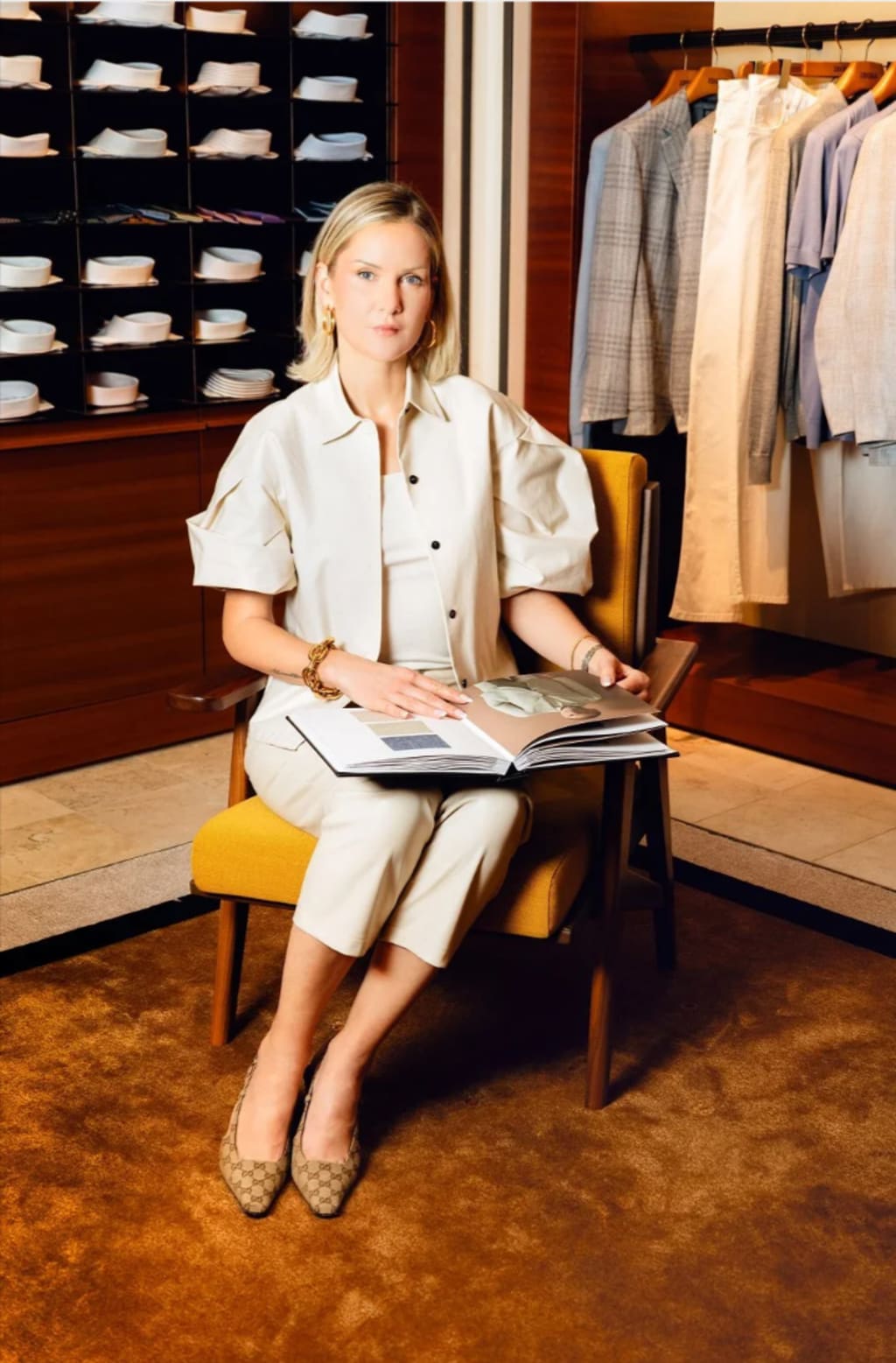
There is a moment I still remember clearly.
A client stood in front of a walk-in closet filled with more than 200 pieces of clothing. Expensive suits, luxury shirts, shoes from brands most people only see in magazines—everything was there.
And yet, he said something that surprised me:
“I have everything… but I don’t know what to wear anymore.”
That sentence is where most people misunderstand what a personal wardrobe manager actually does.
It’s not about clothes.
It’s about clarity.
🧭 It’s Not a Wardrobe Problem — It’s a Life Structure Problem
Most people assume wardrobe management is styling. Picking outfits. Matching colors.
But in reality, when you work closely with high-performing individuals—executives, founders, and high-net-worth clients—you realize something deeper:
Their wardrobes are usually not empty. They are overloaded.
What they lack is not clothing, but structure.
I’ve seen wardrobes where:
- 40 identical shirts exist in different shades
- Expensive suits were never worn after purchase
- Travel bags are packed in panic, not planning
- Morning routines are slowed down by decision fatigue
And this is where a personal wardrobe manager quietly steps in—not as a stylist, but as an organizer of lifestyle clarity.
🧠 What a Personal Wardrobe Manager Actually Does (In Real Life)
If I had to simplify it without industry jargon, I would say this:
A personal wardrobe manager turns chaos into a system you don’t have to think about anymore.
But behind that simplicity, the work is very detailed.
1. Understanding the person before the clothes
Before touching a single garment, the first step is always observation.
- How does the person live?
- How often do they travel?
- What environments do they operate in?
- What image do they need to project?
For example, a Miami-based executive who shifts between boardrooms, private jets, and evening events does not need more clothing.
They need cohesion across situations.
2. Seeing what the client no longer sees
One of the most revealing moments is the wardrobe audit.
This is where patterns appear:
- Items bought emotionally, not practically
- Clothing that no longer fits the current lifestyle
- Expensive pieces that never align with daily needs
At this stage, I often realize something important:
People don’t over-shop because they love fashion.
They over-shop because their wardrobe has stopped making sense.
3. Building a system, not just a closet
This is where the real transformation begins.
A personal closet manager doesn’t just organize clothes. They design logic.
That logic includes:
- Which pieces work for business vs travel vs events
- How outfits rotate across a week or month
- What actually deserves space in the wardrobe
- What silently drains attention without adding value
When done correctly, the wardrobe stops behaving like storage and starts behaving like an operating system.
✈️ The Hidden Role in Executive Life: Travel and Decision Fatigue
One of the most overlooked benefits is how deeply this affects travel.
I once worked with a client who traveled across three cities in a single week—Miami, New York, and London.
Before working together, packing meant:
- 2–3 hours of decision-making
- Overpacking “just in case” outfits
- Repetitive clothing choices under stress
After a structured wardrobe system was introduced, everything changed.
Now:
- Outfits are pre-planned for each city
- Packing takes under 15 minutes
- Every combination is already tested for context
This is where the concept of a digital wardrobe system quietly enters the picture—not as technology, but as relief from mental load.
🧍 Why This Role Exists More Today Than Ever Before
We are living in a time where people have more access to clothing than ever before.
But paradoxically, they feel less confident in what they wear.
This is especially true for:
- Executives with demanding schedules
- High-net-worth individuals managing public image
- Celebrities constantly switching environments
- Entrepreneurs balancing multiple roles in a day
That’s why demand for personal styling services and wardrobe management has quietly grown—not for fashion reasons, but for time and mental efficiency reasons.
💡 The Real Value Is Not Fashion — It’s Decision Relief
The biggest transformation I’ve observed has nothing to do with clothing itself.
It is this:
People stop thinking about what to wear.
That sounds small, but in reality, it changes how mornings feel.
Instead of:
- Decision fatigue
- Mental clutter
- Last-minute stress
There is:
- Predictability
- Speed
- Calm structure
One client once described it perfectly:
“I didn’t realize how much mental space my wardrobe was taking until it was gone.”
👔 Personal Wardrobe Manager vs Personal Stylist
This is where most confusion exists.
A VIP fashion stylist focuses on appearance for specific moments:
- Events
- Photoshoots
- Public appearances
A personal wardrobe manager, however, focuses on everything in between those moments.
| Personal Stylist | Wardrobe Manager |
| Event-focused | System-focused |
| Short-term styling | Long-term structure |
| Outfit creation | Wardrobe architecture |
| Appearance-driven | Lifestyle-driven |
Both roles matter—but they solve completely different problems.
🧠 What People Don’t Realize Until They Experience It
There is a shift that happens quietly.
At first, clients think they are hiring someone to organize clothes.
But what they actually receive is:
- Time back in their mornings
- Reduced mental noise
- Consistency in personal image
- Confidence without overthinking
And perhaps most importantly:
A sense that their external life finally matches their internal clarity.
❓ Frequently Asked Questions
What does a personal wardrobe manager do?
A personal wardrobe manager organizes, curates, and structures your entire wardrobe so it aligns with your lifestyle. They focus on long-term efficiency, not just outfit styling.
Is a personal wardrobe manager the same as a stylist?
No. A stylist focuses on outfits for events, while a wardrobe manager builds a complete system that supports daily life, travel, and professional image consistency.
Who needs a personal wardrobe manager?
Executives, entrepreneurs, celebrities, and high-net-worth individuals benefit the most, especially those with busy schedules and frequent travel.
What is a digital wardrobe system?
It is a structured way of cataloging and planning outfits digitally, helping manage clothing combinations and reduce decision fatigue.
🌿 Final Thoughts
The idea of a personal wardrobe manager is often misunderstood as a luxury service.
But in reality, it is closer to an efficiency system than a fashion role.
It removes friction from everyday life in a way most people only recognize once they experience it.
Because at the end of the day, it’s not really about what you wear.
It’s about how much mental space you get back when you no longer have to think about it.
🌿 A Final Reflection on Why This Role Matters Today
If there is one thing this experience has consistently shown, it is this:
A wardrobe problem is rarely about clothing. It is about time, clarity, and mental structure.
Most people don’t realize how much decision fatigue is quietly built into their mornings until that friction is removed. And once it is gone, the difference is not just visible in how someone dresses—it is visible in how they operate through their day.
A personal wardrobe manager is not about changing style.
It is about restoring simplicity in a world that has become unnecessarily complex.
And sometimes, that is the real luxury people are actually looking for.
About the Creator
Elsab Styling
At ElsaB Styling, we specialize in providing bespoke, high-end personal styling services for high-net-worth individuals, CEOs, executives, and VIPs.
Enjoyed the story? Support the Creator.
Subscribe for free to receive all their stories in your feed.
Comments
There are no comments for this story
Be the first to respond and start the conversation.