
The Evolution of Mukesh’s Singing Style
The Evolution of Mukesh’s Singing Style
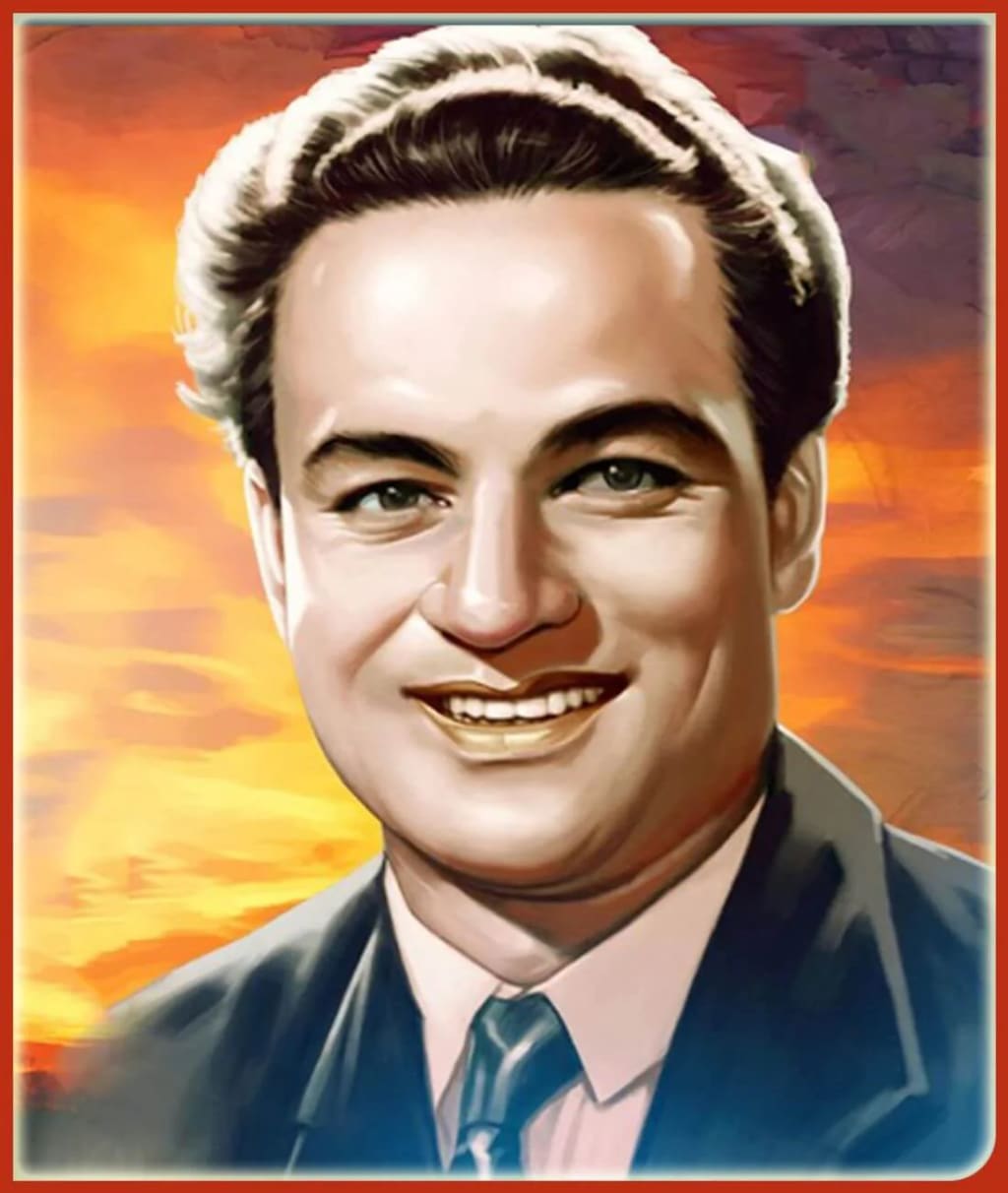
Mukesh Chand Mathur, better known simply as Mukesh, was an iconic playback singer whose voice became a cornerstone of Bollywood's golden era. His ability to evoke deep emotions and connect with audiences through his heartfelt renditions set him apart from his contemporaries. From the 1940s to the 1970s, Mukesh's songs captured the essence of Indian cinema, blending profound lyrics with his soulful voice.
This article delves into Mukesh's journey, his rise to fame, and the legacy of timeless music he left behind.
Early Life and Musical Beginnings
Mukesh was born on July 22, 1923, in Delhi, into a middle-class family. As the sixth of ten children, Mukesh's early life was marked by simplicity. He initially pursued a career in the public works department, but music was always a significant part of his life. His first exposure to music came through his sister, who was learning classical singing. Mukesh would often listen to her lessons from an adjacent room, inadvertently cultivating his passion for the art.
His big break came when a distant relative, actor Motilal, noticed his talent at a family wedding. Motilal brought Mukesh to Bombay (now Mumbai) and arranged for him to receive formal training in music under the guidance of Pandit Jagannath Prasad. These lessons laid the foundation for Mukesh's entry into the world of Bollywood.
Mukesh's Early Career: The Saigal Influence
Mukesh's initial years as a playback singer were heavily influenced by the legendary K.L. Saigal. His first recorded song, "Dil Hi Bujha Hua Ho To," in the 1941 film Nirdosh, did not garner much attention. However, in 1945, his song "Dil Jalta Hai To Jalne De" from Pehli Nazar brought him into the limelight. This melancholic tune struck a chord with audiences, showcasing Mukesh's ability to convey deep emotions.
K.L. Saigal himself mistook Mukesh's voice for his own, saying, "I don't remember recording this song," a testament to Mukesh's early style. While this flattery was an honor for Mukesh, he soon realized the need to establish his own identity as a singer.
Finding His Unique Voice
The turning point in Mukesh's career came through his collaboration with composer Naushad Ali. Naushad encouraged Mukesh to move away from imitating Saigal and develop his unique voice. This advice bore fruit in films like Andaz (1949), where Mukesh sang unforgettable songs such as "Toote Na Dil Toote Na." The film starred Dilip Kumar, Nargis, and Raj Kapoor, marking the beginning of Mukesh's legendary association with Raj Kapoor.
Mukesh's voice became synonymous with Raj Kapoor's on-screen persona, embodying the romanticism and vulnerability that Kapoor often portrayed. Their collaboration produced numerous hits over the years, cementing Mukesh's place in Bollywood history.
Mukesh and Raj Kapoor: A Match Made in Musical Heaven
Mukesh's career skyrocketed through his association with Raj Kapoor. Their partnership became one of the most iconic duos in Bollywood. Mukesh's voice perfectly complemented Kapoor's acting style, making songs like "Awara Hoon" (Awaara, 1951) and "Mera Joota Hai Japani" (Shree 420, 1955) instant classics.
Mukesh had an unparalleled ability to bring out the emotional nuances of Kapoor's characters. Whether it was the playful optimism of "Awaara Hoon" or the melancholic introspection of "Jeena Yahan Marna Yahan" (Mera Naam Joker, 1970), Mukesh's voice became the soul of Kapoor's films.
Timeless Classics That Define Mukesh
Mukesh's songs remain evergreen, cherished across generations. Some of his most celebrated tracks include:
"Kahin Door Jab Din Dhal Jaaye" (Anand, 1971): A poignant song that reflects on life and mortality, resonating deeply with listeners.
"Kabhi Kabhie Mere Dil Mein" (Kabhi Kabhie, 1976): A romantic ballad that showcases Mukesh's ability to convey love's intensity.
"Ek Pyar Ka Nagma Hai" (Shor, 1972): A song of hope and resilience, often regarded as one of Bollywood's most inspirational tracks.
"Dil Se Teri Nigah" (Jahan Ara, 1964): A delicate melody that highlights Mukesh's classical inclinations.
These songs not only defined Mukesh's career but also became anthems for the emotions they represented.
Awards and Recognition
Mukesh's contributions to Bollywood music were recognized with numerous accolades. He won the National Film Award for Best Male Playback Singer for "Kai Baar Yuhi Dekha Hai" (Rajnigandha, 1973). Additionally, he received four Filmfare Awards for songs like "Sab Kuch Seekha Humne" (Anari, 1959) and "Kabhi Kabhie Mere Dil Mein" (Kabhi Kabhie, 1976).
Despite his fame, Mukesh remained humble, crediting his success to the composers and lyricists who shaped his songs. His collaborations with legends like Shankar-Jaikishan, R.D. Burman, and Laxmikant-Pyarelal further enriched his repertoire.
The Tragic Loss and Enduring Legacy
On August 27, 1976, Mukesh suffered a heart attack while on a concert tour in Detroit, USA. His sudden demise left the Indian music industry in shock. However, his legacy lives on through his timeless music, which continues to inspire and move listeners.
Mukesh's son, Nitin Mukesh, carried forward his father's musical legacy, while his grandson, Neil Nitin Mukesh, ventured into acting. Mukesh's impact extends beyond his family, influencing countless artists and fans across the globe.
Conclusion
Mukesh soulful voice and emotive renditions earned him a permanent place in the hearts of music lovers. His songs transcend time, continuing to evoke joy, love, and melancholy in equal measure. From the streets of India to international concert halls, Mukesh's music remains a testament to his unparalleled artistry.
Discover Mukesh's timeless classics on music streaming platforms and revisit the golden era of Bollywood. Share your favorite Mukesh songs with friends and family to celebrate the legacy of this unforgettable voice.
About the Creator
MusicVerse
Lets dive into the world of music.
Enjoyed the story? Support the Creator.
Subscribe for free to receive all their stories in your feed.
Comments
There are no comments for this story
Be the first to respond and start the conversation.