
From the lullabies that soothe us as infants to the anthems that rally crowds, music has accompanied humanity across time, geography, and culture. It has served as a universal thread in the tapestry of human life, weaving together stories, emotions, and identities. The enduring magic of sound is evident in the way certain melodies trigger vivid memories, how a subtle rhythm can transform a silent room into a space full of energy, and how the human voice can transcend language barriers and resonate with our deepest feelings. Music, in all its diverse forms, establishes a bridge between past and present, tradition and innovation, solitude and community.
One artist who exemplifies how a singular vocal presence can captivate audiences worldwide is the Dido singer. Dido’s distinct blend of pop, folk, and electronic influences, combined with her introspective lyrics, demonstrates how a unique voice can reach listeners across continents. Her songs are gentle reminders that authenticity and emotional honesty can leave an indelible imprint on the global soundscape. This reach is no mere accident; it’s supported by technological advancements, global distribution networks, and the inherent power of music to cut through cultural differences.
In fact, as we reflect on the sheer magnitude of music’s variety, it’s almost impossible not to wonder how many songs are there in the world. Consider the enormity of human creativity: every day, countless new tracks are recorded, produced, and shared. From the earliest known musical notations etched onto ancient tablets to modern-day streaming platforms that upload thousands of new releases daily, the cumulative total of human musical output is staggering. Every culture, era, and generation has contributed new sounds, styles, and techniques, resulting in a near-endless sonic library. Folk tunes passed down through oral tradition sit alongside studio-produced pop hits, while improvised jazz solos and carefully choreographed classical pieces all mingle in the same universe of sound. This abundance of music ensures that there is something for everyone, no matter their mood, language, or personal history.
The advent of global music streaming platforms revolutionized how we consume, discover, and share music. Just as the global population expands and diversifies, so too does our collective musical appetite. Within this digital landscape, metrics like the highest monthly listeners on Spotify have emerged as modern barometers of popularity and influence. It’s not just about sales or radio play anymore—streaming data offers near-real-time insights into listening habits worldwide. These insights can highlight hidden gems that surge in popularity due to social media virality or the quiet consistency of artists who cultivate dedicated followings over time. In this data-driven environment, an artist’s rise can happen overnight, and a well-produced track can travel from one user’s playlist to millions of listeners around the globe in mere hours. This democratization of music distribution underscores the fact that influence and longevity aren’t confined to genre boundaries, marketing budgets, or language limitations.
But if numbers and statistics provide a snapshot of the present moment, fandom gives music its enduring emotional power. The presence of the biggest fandom in the world music speaks to the deep personal connections fans form with certain artists or bands. Music fandom is not just about admiration; it’s a form of collective identity. Fans come together, bound by a shared love of particular tunes, lyrics, or performance styles. These communities transcend geography, enabling people who have never met in person to bond online over their favorite tracks, comment on each new release, and eagerly await world tours or surprise album drops. In some cases, fandom becomes a cultural phenomenon, giving rise to group names, symbols, and even philanthropic initiatives driven by enthusiastic supporters. The result is a phenomenon where fans don’t simply consume music; they shape it, influence it, and ensure its legacy through their engagement.
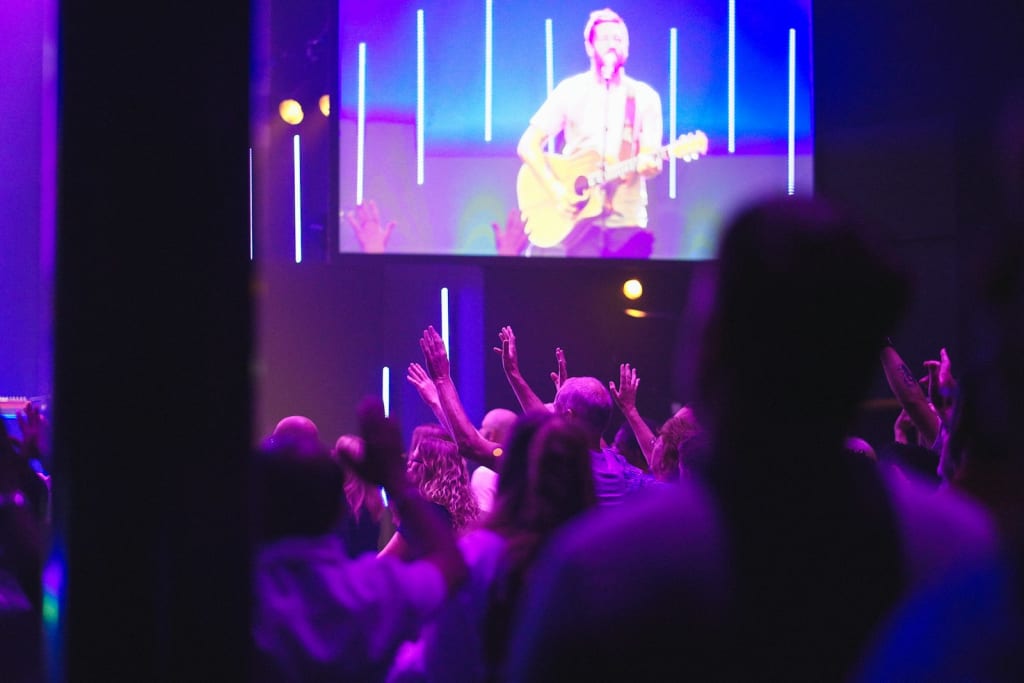
This communal dimension of music is never more evident than when people gather for live performances. The heady atmosphere of a concert, festival, or club event provides a visceral reminder of music’s immediate, transformative power. Under swirling lights and with booming speakers, a single power music DJ song can unite a crowd of strangers. Beats synchronize heart rates, melodies spark spontaneous cheers, and the dancefloor becomes a realm of shared experience. In these moments, the differences that might separate individuals—age, nationality, politics, or language—fade into the background. All that remains is the collective heartbeat of rhythm and sound. Live music, with its raw energy and unpredictability, nurtures something primal in us. It recalls the earliest forms of human community, when rhythmic drumming, singing, and dancing around a fire served not only as entertainment but as a way to strengthen social bonds.
The longevity of music’s impact is also rooted in its adaptability. Although it is often tied to technology—from vinyl records and cassette tapes to CDs and digital downloads—music endures beyond any single medium. While the methods of recording, distributing, and listening to music have evolved, the core human desire to create and consume melody remains constant. Even as Artificial Intelligence begins to compose harmonies and streaming algorithms guide our choices, the emotional resonance of a heartfelt lyric, a soulful guitar riff, or a haunting violin melody still relies on something deeply human. Indeed, as we venture further into the future, the essence of music as an expression of human emotion, struggle, triumph, and spirituality remains intact.
Though music is accessible to us in countless ways, the core of its magic remains elusive and wondrous. Why does a certain progression of chords evoke sadness, or why do some melodies inspire us to dance, laugh, or cry? Part of the allure is that the language of music, while studied and documented, still retains an element of mystery. The way we respond to sound—its patterns, frequencies, and rhythms—is partly ingrained in our biology and partly shaped by our experiences and cultural context. Each listener’s relationship with a particular piece of music is personal and unique, reflecting their internal world as much as the external sound waves.
About the Creator
Enjoyed the story? Support the Creator.
Subscribe for free to receive all their stories in your feed.
Comments
There are no comments for this story
Be the first to respond and start the conversation.