
The Crack in the Wall I Almost Ignored
How a small drywall crack taught me to pay attention to my home
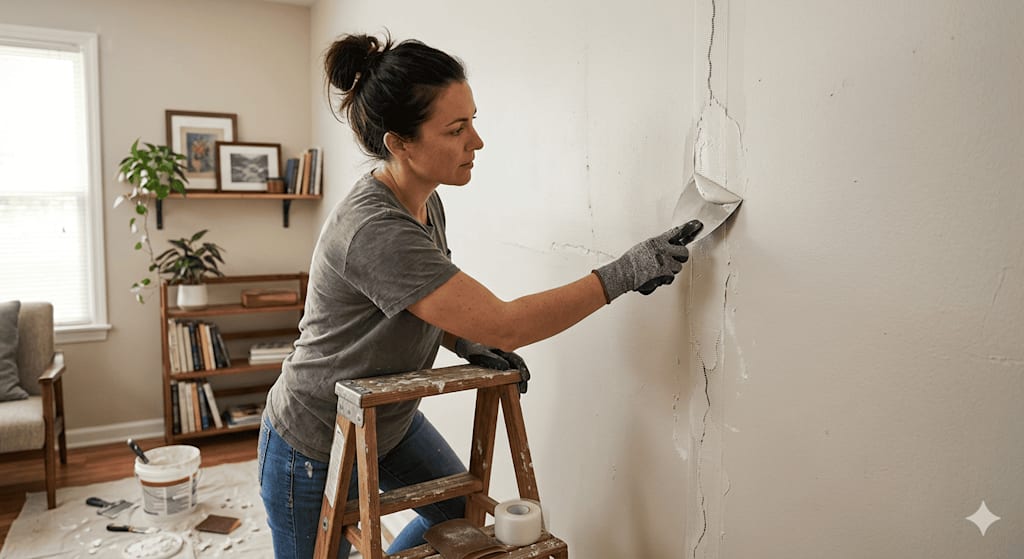
It started as a thin line above the doorway.
At first, I thought it was nothing. Just a small crack in the drywall. Houses settle. Weather changes. Walls shift. That’s what I told myself.
So I ignored it.
Weeks passed. The crack grew longer. It spread like a branch reaching toward the ceiling. I still didn’t do anything about it. Life was busy. Work, errands, family — a wall crack didn’t feel urgent.
Until the day I noticed the paint around it starting to peel.
That’s when it stopped being “just a crack.”
When Small Problems Don’t Stay Small
The crack wasn’t dramatic. No loud noise. No visible damage to the structure. Just a quiet change happening slowly.
But walls tell stories if you pay attention.
Drywall cracks can come from simple settling. But they can also signal moisture, shifting foundations, or stress in the structure. I didn’t know which one I was dealing with.
And that uncertainty started to bother me.
I pressed gently on the wall. It felt firm. That was good. But then I noticed something else — a faint stain near the ceiling.
I hadn’t seen it before.
The Moment I Realized It Wasn’t Cosmetic
Water stains don’t show up for no reason.
That faint discoloration meant moisture had found its way into the drywall. Maybe from a small roof leak. Maybe from plumbing. Maybe from something else entirely.
Suddenly, the crack felt like a warning.
Drywall absorbs water quickly. Once wet, it weakens. If moisture stays trapped inside, mold can start growing in less than two days. I had read that somewhere before, but it never felt real until I was standing in my own hallway staring at my own wall.
It wasn’t about appearances anymore.
It was about preventing something worse.
Trying to Fix It Myself
I did what most homeowners do first.
I bought joint compound. A putty knife. Sandpaper.
I widened the crack slightly. Filled it. Smoothed it. Waited for it to dry. Sanded it. Painted over it.
For a few days, it looked perfect.
Then the line came back.
Not as sharp. Not as bold. But still there.
That’s when I realized something important — I had fixed the surface, not the cause.
Understanding the Root of the Problem
Drywall doesn’t crack randomly. It reacts to pressure.
Pressure from shifting beams. From moisture expansion. From movement in the foundation. From temperature swings.
Fixing drywall without understanding why it cracked is like painting over rust. It looks fine for a while. Then it returns.
I needed someone who knew how to read the signs.
Someone who understood walls.
Why Experience Matters
There’s a difference between patching drywall and diagnosing drywall.
A proper repair isn’t just about mudding and sanding. It’s about checking for moisture. Checking for movement. Checking for underlying stress.
That’s something I didn’t have the tools or experience to fully evaluate.
So I asked for help.
Homeowners in North Texas often deal with shifting soil and changing humidity levels. It’s common. And experienced drywall contractors like Patch Pros of North Dallas understand how those local conditions affect walls over time.
Getting an expert opinion didn’t feel like giving up.
It felt like protecting my home.
What I Learned From One Small Crack
I learned that small damage is rarely just cosmetic.
I learned that ignoring warning signs doesn’t make them disappear.
And I learned that drywall is more than painted surface — it’s part of your home’s structure.
That tiny line above my doorway reminded me of something simple:
Maintenance matters.
Paying attention matters.
And sometimes, the quiet problems are the ones that deserve attention first.
The Takeaway
If you see a crack in your wall, don’t panic.
But don’t ignore it either.
Watch it. Check for stains. Press lightly. Look for patterns. If it changes, spreads, or comes back after repair, it may be time to look deeper.
Your home speaks in small signals.
It’s up to you to listen.
About the Creator
Enjoyed the story? Support the Creator.
Subscribe for free to receive all their stories in your feed.
Comments
There are no comments for this story
Be the first to respond and start the conversation.