
The Changing Role of Personal Stylists in the Modern Fashion Ecosystem
How image curation, media influence, and evolving cultural expectations are reshaping the work of personal styling in contemporary fashion

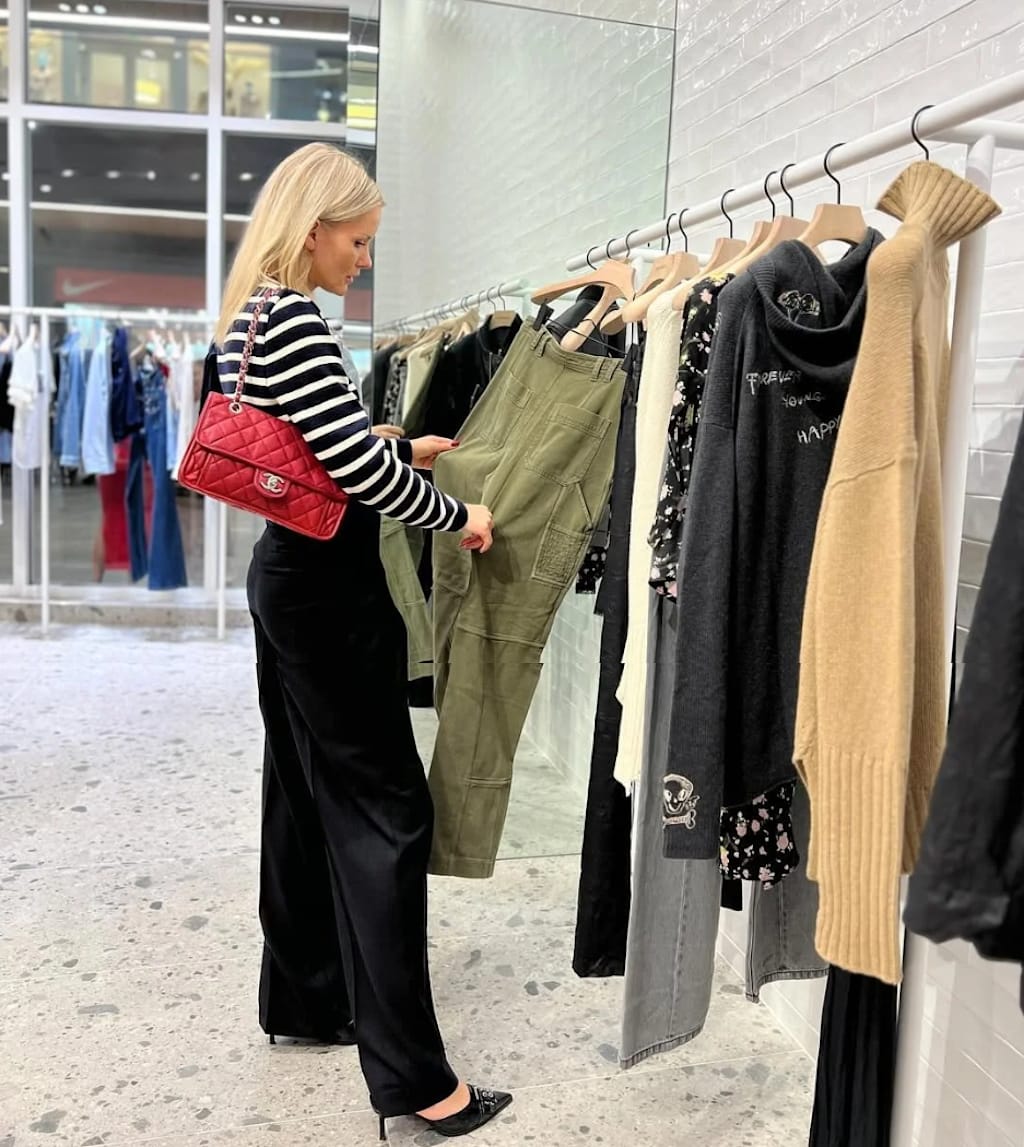
Fashion has always been more than clothing. It is a system of visual communication shaped by culture, media, identity, and social behavior. Within this system, personal styling has moved from a niche, behind-the-scenes profession into a visible part of how modern image culture operates. The role is no longer defined only by selecting outfits or coordinating wardrobes; it now exists at the intersection of aesthetics, digital visibility, and evolving lifestyle expectations.
As fashion becomes increasingly interconnected with media platforms, professional environments, and public perception, personal styling is being redefined in ways that reflect broader changes in how identity is presented and interpreted in everyday life.
Fashion as a Visual Language in a Media-Driven Era
In contemporary culture, fashion functions as a visual language that communicates identity before words are ever spoken. Clothing choices, silhouettes, color palettes, and presentation styles all contribute to how individuals are perceived in social and professional contexts.
This shift has been amplified by media environments where visual content dominates communication. Digital platforms have intensified the importance of appearance, not in a superficial sense, but as part of a structured visual economy. Within this environment, personal styling has gained relevance as a form of visual interpretation rather than simple wardrobe selection.
The modern fashion ecosystem no longer separates clothing from context. Instead, it considers how clothing is seen, where it is seen, and how it interacts with broader visual culture. This evolution has naturally expanded the relevance of styling as a professional and cultural practice.
The Expansion of Styling Beyond Traditional Fashion Boundaries
Historically, styling was closely associated with editorial shoots, runway presentations, and celebrity image management. While these areas remain important, the scope of styling has widened significantly.
Today, personal styling operates across multiple domains, including professional identity, public-facing roles, media appearances, and lifestyle representation. This expansion reflects a broader cultural shift where visual consistency has become an important part of how individuals navigate modern environments.
In professional settings, for example, appearance is often considered part of broader communication strategy. In media-driven industries, visual presentation contributes to perception, credibility, and audience engagement. These changes have placed styling within a wider cultural framework rather than limiting it to fashion-specific spaces.
Celebrity Influence and the Redistribution of Fashion Authority
One of the most significant forces shaping modern styling culture is the influence of celebrity fashion. High-visibility public figures often serve as reference points for broader aesthetic trends, whether intentionally or indirectly.
Celebrity styling has historically been a specialized field, closely linked to public image construction. However, its influence now extends far beyond entertainment industries. Visual decisions made in high-profile contexts are frequently interpreted, adapted, and recontextualized within mainstream fashion culture.
This redistribution of fashion authority has altered how personal style is understood. Rather than being dictated solely by seasonal collections or industry gatekeepers, style now emerges from a mix of cultural references, media exposure, and individual interpretation.
Within this framework, styling professionals often operate as interpreters of visual culture, translating high-visibility aesthetics into more adaptable personal expressions
The Role of Styling in Contemporary Identity Construction
Identity in modern society is increasingly multi-layered. Professional roles, social presence, digital representation, and personal expression often coexist in overlapping spaces. Clothing becomes one of the most immediate ways these layers are communicated.
Personal styling, in this context, is closely tied to identity construction. It is not simply about appearance, but about coherence—how different aspects of a person’s public and private life are visually aligned.
This alignment is particularly relevant in environments where first impressions are often formed visually. Whether in professional interactions, media appearances, or social contexts, appearance contributes to how identity is interpreted.
As a result, styling has become part of a broader cultural conversation about authenticity, representation, and visual clarity.
Digital Platforms and the Acceleration of Visual Expectations
The influence of digital platforms has significantly accelerated changes in fashion perception. Visual content is now consumed at scale, often in fragmented and rapid sequences. This has created new expectations around presentation, consistency, and aesthetic awareness.
Within this environment, personal styling intersects with digital visibility in increasingly complex ways. Clothing choices are no longer limited to physical spaces; they are frequently translated into digital imagery that circulates widely and rapidly.
This shift has elevated the importance of visual coherence. Styling decisions now often account for how outfits will appear across different lighting conditions, camera formats, and platform contexts. As a result, fashion is no longer static; it is responsive to digital interpretation.
These changes have broadened the relevance of styling beyond traditional fashion environments, positioning it within the wider ecosystem of digital communication.
From Trend-Based Fashion to Individualized Style Systems
One of the more notable transformations in contemporary fashion culture is the gradual move away from purely trend-driven consumption. While trends still exist and influence design cycles, there is a growing emphasis on individualized style systems.
This shift reflects a desire for consistency and personal coherence rather than constant change. Instead of aligning entirely with seasonal fashion cycles, many individuals now focus on developing stable visual identities that can adapt across different contexts.
Personal styling contributes to this transition by helping structure wardrobe logic in ways that prioritize long-term usability over short-term trends. This does not eliminate fashion cycles, but it reframes how they are integrated into personal expression.
In this sense, styling acts as a bridge between industry-driven fashion production and individual interpretation.
The Broadening Definition of Image Consultation in Modern Culture
As visual identity becomes more central to social and professional life, structured approaches to image consultation have become more visible across various industries. This does not refer solely to fashion expertise, but to a broader understanding of how appearance functions within different environments.
In contemporary settings, image is often treated as a component of communication strategy. This includes considerations of tone, context, and audience perception. Styling, in this framework, becomes one part of a larger system of visual decision-making.
What distinguishes the modern approach from earlier models is its integration into multiple aspects of life rather than being confined to specific events or industries. Appearance is increasingly seen as continuous rather than situational.
This continuity reflects broader cultural changes in how identity is constructed and maintained across physical and digital spaces.
Cultural Interpretation and the Future of Styling Practice
The future of personal styling is closely linked to the continued evolution of cultural interpretation. As societies become more visually driven, the role of those who understand visual systems becomes increasingly relevant.
Styling is no longer only about fashion knowledge; it involves an understanding of cultural signals, media influence, and environmental context. This interdisciplinary nature positions it within a wider cultural framework that extends beyond clothing alone.
At the same time, there is a growing emphasis on adaptability. As cultural norms shift more rapidly through digital communication, styling practices must respond to changing expectations around identity, visibility, and representation.
This dynamic environment suggests that styling will continue to evolve as both a cultural practice and a form of visual literacy.
Conclusion: Styling as a Reflection of Modern Visual Culture
The changing role of personal stylists reflects broader transformations in how modern society understands image, identity, and communication. What was once a specialized function within fashion has become part of a larger cultural system shaped by media, technology, and evolving social expectations.
In contemporary life, visual presentation is no longer peripheral. It is embedded in professional environments, digital platforms, and everyday social interactions. Within this context, styling operates as a form of interpretation—translating complex cultural signals into coherent visual expression.
Rather than existing as a separate industry function, personal styling now reflects the broader evolution of fashion itself: from seasonal cycles to continuous visual culture, from isolated trends to integrated identity systems, and from static presentation to adaptive expression.
As this evolution continues, styling will remain closely connected to how modern society chooses to see, represent, and understand itself.
About the Creator
Elsab Styling
At ElsaB Styling, we specialize in providing bespoke, high-end personal styling services for high-net-worth individuals, CEOs, executives, and VIPs.
Enjoyed the story? Support the Creator.
Subscribe for free to receive all their stories in your feed.
Comments
There are no comments for this story
Be the first to respond and start the conversation.