
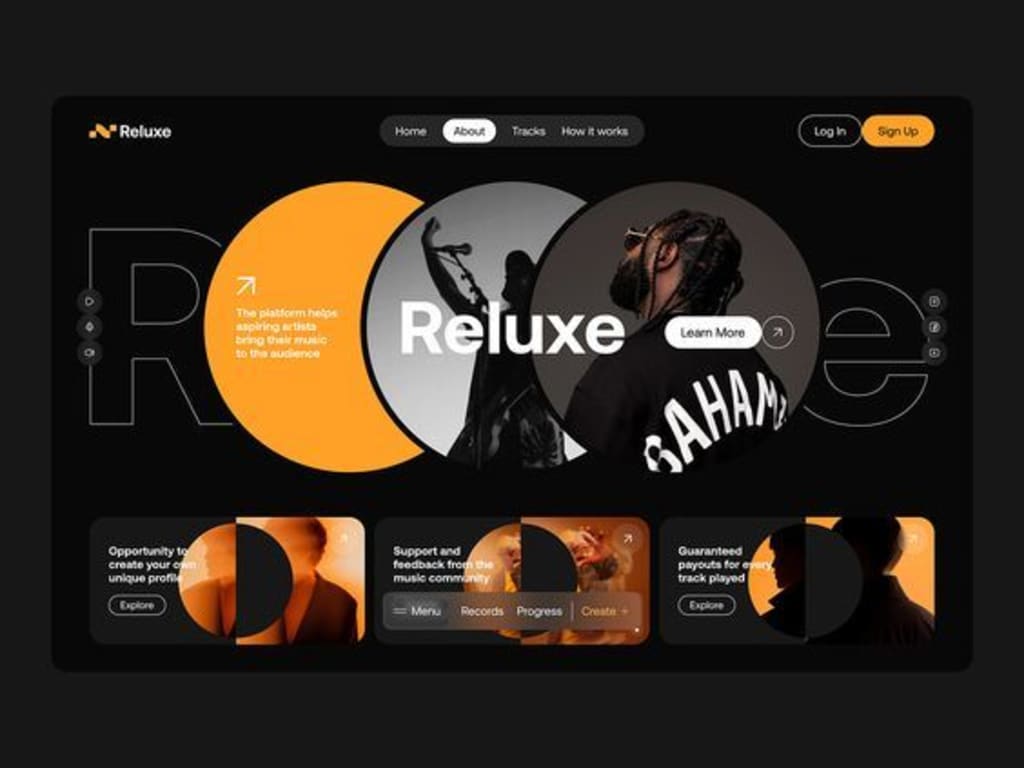
The music industry has undergone a massive transformation with the rise of digital platforms. For artists, both new and seasoned, these platforms offer unprecedented opportunities to showcase their talent, reach a global audience, and earn from their creations. However, navigating the plethora of options available can feel overwhelming. This guide will simplify the process, helping you understand how to use the top music platforms effectively to grow your career.
Choosing the Right Platform
With countless platforms available, the first step is deciding which ones suit your goals. Some platforms are ideal for streaming your tracks, while others focus on helping you share your work with niche communities. Knowing the strengths of each can save time and ensure maximum impact.
Understanding Spotify
Spotify is one of the largest and most popular platforms for streaming music worldwide. Its user-friendly interface and massive audience base make it a preferred choice for artists. You may wonder, “can anyone upload music to Spotify?” The good news is that the platform is accessible to all musicians, provided you follow the necessary steps. Artists can distribute their tracks through third-party services or directly through Spotify for Artists.
Spotify also offers tools to track your performance, interact with listeners, and analyze trends. These insights can help you refine your strategies, whether you're working on marketing or deciding on future projects.
Making the Most of SoundCloud
SoundCloud is another powerhouse in the music world, particularly for independent and emerging artists. Its grassroots appeal allows creators to connect with an engaged community, giving instant feedback and building organic relationships with fans.
Learning how do I upload tracks to SoundCloud is simple and essential for anyone serious about growing their presence. The platform’s flexibility enables artists to share rough cuts, full albums, or experimental pieces, making it a favorite for those still honing their craft.
Perfecting Your Recordings
Before sharing your music, ensuring it sounds professional is key. A good interface for recording vocals can elevate your music production quality, even if you’re working from a home studio. Investing in reliable recording equipment ensures clarity and precision, which listeners will appreciate.
Your recording setup doesn’t need to be extravagant, but it should be efficient. The right interface and software can help you capture authentic sounds that resonate with your audience.
Writing Lyrics That Resonate
Lyrics form the backbone of many great songs. Platforms like Spotify have a treasure trove of inspiration if you're looking for ideas. By exploring song lyrics Spotify, you can discover patterns and themes that resonate with listeners. Study the structure, storytelling, and emotion embedded in popular tracks to guide your own songwriting journey.
A well-crafted lyric can turn a good song into a masterpiece. Take the time to experiment with different writing styles until you find what works best for your genre and audience.
Monetizing Your Music
Streaming platforms aren’t just for sharing your music—they’re also a way to earn a steady income. Understanding the financial aspects is crucial for long-term success. Tools like the Spotify payment calculator can help you estimate your earnings based on streams.
While the per-stream payout might seem small, cumulative earnings can add up significantly over time, especially if you’re consistently releasing new music and marketing it effectively.
Building Your Audience
No matter how talented you are, your music needs an audience to make an impact. Growing your listener base requires consistent effort and smart strategies. Start by sharing your work on multiple platforms to maximize reach. Engage with your fans by replying to comments, hosting live sessions, or creating behind-the-scenes content to foster a connection.
Social media is another powerful tool to amplify your presence. Platforms like Instagram, TikTok, and Twitter allow you to engage creatively with potential listeners. Posting snippets of your music, collaborating with influencers, and sharing your journey can make your audience feel invested in your career.
Collaborating with Other Artists
Collaboration is a great way to expand your reach and learn new skills. Partnering with artists from different genres can introduce your music to a new audience while adding fresh perspectives to your work.
SoundCloud and Spotify both make it easy to connect with like-minded musicians. By following artists whose work you admire, you can initiate collaborations and build lasting professional relationships.
Staying Updated with Trends
The music industry is ever-evolving, and staying current with trends is essential to remain relevant. Pay attention to the kinds of music gaining popularity, as well as shifts in listener preferences. Explore platforms like Spotify to see what’s trending, and use these insights to inform your music creation process.
The Importance of Consistency
Consistency is key to growing your career as a musician. Regularly uploading tracks, engaging with your audience, and experimenting with new styles will keep your listeners interested and ensure steady growth
Start by setting achievable goals. Whether it’s releasing one new song a month or engaging with fans weekly, a consistent presence will help you build momentum.
Conclusion
Navigating the world of music platforms doesn’t have to be intimidating. By understanding the tools and resources available, you can streamline your efforts and focus on creating music that truly resonates. Whether you’re uploading tracks to SoundCloud, analyzing your earnings with Spotify’s payment calculator, or drawing inspiration from song lyrics, every step brings you closer to your dreams.
About the Creator
Enjoyed the story? Support the Creator.
Subscribe for free to receive all their stories in your feed.
Comments
There are no comments for this story
Be the first to respond and start the conversation.