
Technology and Tradition: Bridging Old and New in Music
music
The art of music is as ancient as humanity itself, and over centuries, it has evolved through countless innovations. From the creation of classical instruments to the rise of electronic soundscapes, music has always been shaped by the tools available to its creators. Today, we stand at the intersection of traditional artistry and groundbreaking technology, offering musicians and listeners unprecedented opportunities to explore, create, and enjoy.
In this article, we’ll delve into the synergy between tradition and technology in music, highlighting how tools like streaming platforms, open-source software, and classic instruments coexist in today’s soundscape.
A Digital Mirror to Your Musical Tastes
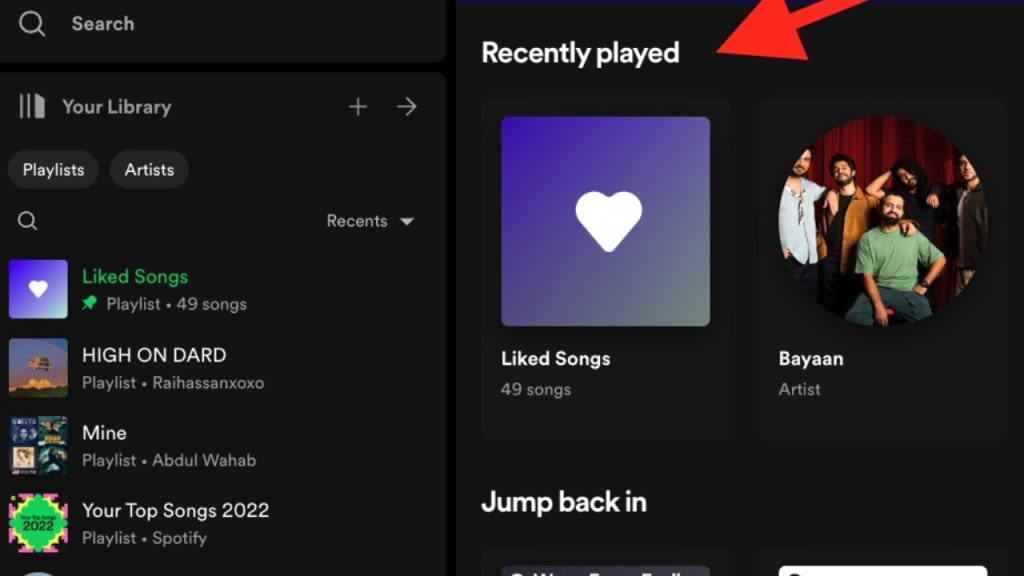
Music streaming platforms like Spotify have revolutionized the way we consume music. Not only can you access millions of songs, but these platforms also provide tools for understanding your listening habits. For example, learning how to see my top artists on Spotify can offer valuable insights into your preferences. Such features allow listeners to deepen their appreciation for music by rediscovering favorites and exploring related genres.
However, this doesn’t diminish the value of traditional methods of music appreciation, such as attending live performances or building physical record collections. By combining digital convenience with analog experiences, listeners can enjoy the best of both worlds.
Sharing Your Art in the Modern Age
For musicians, reaching audiences has never been more accessible. Platforms like YouTube empower artists to share their creations instantly with a global audience. Understanding how to upload a song to YouTube can open doors for artists looking to showcase their talent.
This ability to self-publish complements traditional music-sharing methods, such as live performances, physical albums, and community jam sessions. While technology facilitates global reach, the essence of music—its ability to connect on a personal level—remains rooted in tradition.
Open Source Digital Audio Workstations: Democratizing Creation
The democratization of music production is one of the most exciting developments in recent years. Tools like an open source digital audio workstation (DAW) make it possible for anyone to create professional-quality music from their home studio. These tools offer advanced features for mixing, editing, and mastering, rivaling expensive software used in professional studios.
Still, even as DAWs gain prominence, the use of traditional instruments remains fundamental. For instance, combining a classic acoustic guitar riff with digital effects can create a unique sound that bridges eras. The symbiotic relationship between traditional instruments and modern production tools allows artists to innovate while staying true to their roots.
Competitions: A Blend of Old and New
Music competitions have long been a platform for showcasing talent and gaining recognition. Today, these events often incorporate digital elements, such as online submissions and virtual performances, making them more accessible than ever. Participating in a sound competition can be a transformative experience for artists, offering exposure and feedback from industry professionals.
At the same time, traditional competitions remain a cornerstone of the music industry. Events like classical recitals and in-person talent shows continue to celebrate the raw, unfiltered talent of performers. By combining digital and physical platforms, competitions today can bring together a more diverse range of participants and audiences.
What Type of Instrument Is a Guitar?
The guitar has been a staple of music for centuries, beloved for its versatility and expressive potential. Whether you’re strumming an acoustic melody or shredding an electric solo, the guitar plays a central role in many genres. If you’re curious about its classification and history, check out what type of instrument is a guitar.
What makes the guitar particularly fascinating is how it bridges traditional and modern music. While the instrument itself has remained largely unchanged for decades, its application has evolved significantly. From classical compositions to digitally augmented performances, the guitar remains a symbol of music’s timeless appeal and adaptability.
Conclusion
The fusion of technology and tradition in music is a testament to the art form’s enduring nature. While digital tools and platforms offer unprecedented convenience and creativity, they complement rather than replace the classic elements that make music so profound.
By embracing both modern and traditional approaches, musicians and listeners can explore new frontiers while honoring the rich history of sound. The key is to find balance: leveraging technology to enhance your music journey without losing sight of its roots.
About the Creator
Enjoyed the story? Support the Creator.
Subscribe for free to receive all their stories in your feed.
Comments
There are no comments for this story
Be the first to respond and start the conversation.