
Should You Go Into Debt for an Engagement Ring?
Determining how much to spend on an engagement ring can be a challenging decision, especially with various traditions and social expectations surrounding this significant purchase. Historically, a rule of thumb suggested spending two to three months' salary on an engagement ring.

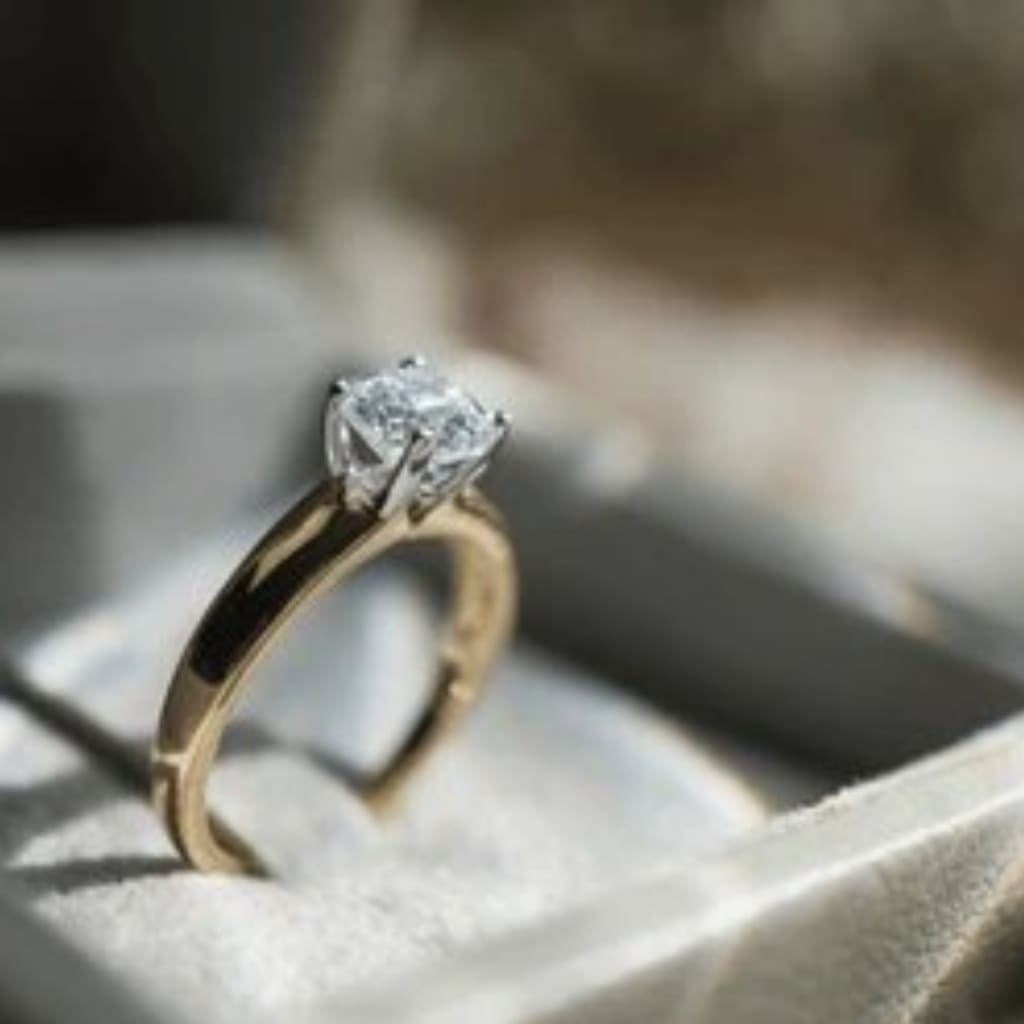
Deciding how much to spend on an engagement ring can feel daunting for many couples, especially with the expectations and myths surrounding this important purchase. Traditionally, there has been a common belief that the price of an engagement ring should equate to two to three months' salary. However, as times have changed, so too have the approaches to buying an engagement ring. In reality, there is no one-size-fits-all answer. How much you should spend depends on your personal financial situation, your partner's preferences, and the symbolism you want to attach to the ring. This article will break down the factors that can influence your decision and help you make an informed choice.
The Origins of the Two-Month Salary Rule
The idea that you should spend two or even three months' salary on an engagement ring is largely the result of clever marketing. In the 1930s, De Beers, a diamond company, launched a campaign encouraging men to spend one month’s salary on a diamond ring. Over the years, this amount increased, with the two-month rule becoming popular in the mid-20th century. This advertising campaign was successful in making diamonds synonymous with engagement and luxury, but it wasn’t based on any practical financial advice.
The reality is that this "rule" was created to sell more diamonds, and while it stuck around for decades, it has no bearing on today’s more practical financial considerations. Many modern couples are moving away from this notion and instead choosing rings that align with their budgets and values.
Assess Your Financial Situation
Before committing to any specific price range for an engagement ring, it’s important to take a hard look at your financial situation. Your financial health should guide your decision rather than an arbitrary formula based on outdated advertising campaigns. Consider the following factors:
Income: How much do you earn, and how stable is your income? If you're in a secure financial position with a stable job, you may feel comfortable spending more on a ring. However, if you're still building your savings or have fluctuating income, it might be wise to set a more conservative budget.
Debt: Are you carrying any significant debt, such as student loans or credit card balances? Adding a hefty engagement ring purchase to your debt can put unnecessary stress on your finances. It's essential to factor in your existing debt when deciding how much to spend.
Savings: Do you have an emergency fund or savings for other financial goals, like buying a home, starting a family, or planning a wedding? While an engagement ring is important, it shouldn't come at the expense of your financial stability or future plans. Make sure that your ring budget doesn't deplete your savings or hinder other financial goals.
Lifestyle: Consider your lifestyle and the expenses that come with it. If you and your partner enjoy travel, dining out, or other activities that require disposable income, be sure to leave room in your budget for these experiences rather than overspending on a ring.
Focus on Your Partner's Preferences
Another key factor in determining how much to spend on an engagement ring is your partner’s taste and expectations. While some people dream of a large, sparkling diamond, others may prioritize the sentimental value or design of the ring over its price tag.
Open Communication: While many proposals are a surprise, it’s becoming increasingly common for couples to discuss engagement ring preferences beforehand. Talking openly about the type of ring your partner likes can save you time and money by ensuring you're on the right track. Ask about their preferred styles, metal types, and whether they value size or quality when it comes to the diamond or gemstone.
Practicality: Consider your partner's lifestyle. If they work with their hands or have an active job, a more modest or durable ring might be a better choice than a large, fragile stone. Sometimes, less expensive rings are more practical and better suited for daily wear.
Explore Alternatives to Traditional Diamonds
The cost of an engagement ring is heavily influenced by the stone, and diamonds tend to be the most expensive choice. However, many couples are opting for alternative stones that offer beauty and durability at a lower price point. If you're looking to spend less, consider these alternatives:
Lab-Grown Diamonds: Lab-grown diamonds have the same physical and chemical properties as natural diamonds but are typically 30-40% less expensive. They are an excellent option if you're looking for a traditional diamond look without the high price tag.
Moissanite: Moissanite is a brilliant, durable gemstone that closely resembles a diamond but costs a fraction of the price. Many people cannot distinguish between a diamond and moissanite with the naked eye, making it a popular choice for budget-conscious couples.
Colored Gemstones: Sapphires, emeralds, and rubies are all beautiful, durable options for an engagement ring. These gemstones often cost less than diamonds and offer a unique, colorful look.
Prioritize the 4 Cs Based on Budget
When shopping for a diamond engagement ring, you'll encounter the 4 Cs: cut, color, clarity, and carat weight. Understanding these elements can help you prioritize what matters most and make informed decisions within your budget.
Cut: The cut of a diamond refers to how well it has been shaped and polished. A well-cut diamond will reflect light beautifully, giving it that iconic sparkle. Many experts consider cut to be the most important of the 4 Cs, so if you're working with a smaller budget, prioritize cut over carat weight.
Color: Diamonds range from colorless (the most expensive) to yellow or brown. Near-colorless diamonds (graded G-H) can still appear white and are more affordable than top-tier colorless diamonds.
Clarity: Clarity measures the presence of internal or external flaws. Many imperfections are not visible to the naked eye, so choosing a diamond with slightly lower clarity can save you money without sacrificing beauty.
Carat Weight: Carat refers to the size of the diamond. While larger diamonds are more expensive, you can still find a stunning ring by choosing a diamond with a slightly lower carat weight. For example, a 0.9-carat diamond often looks very similar to a 1-carat diamond but costs significantly less.
Set a Realistic Budget
After considering your financial situation, your partner’s preferences, and the available alternatives, it’s time to set a realistic budget. Whether that’s $1,000 or $10,000, the key is to choose a number that aligns with your financial goals and feels comfortable for you. Remember, the value of an engagement ring lies not in its price tag, but in the meaning and love it represents.
Conclusion: Spending Wisely
In the end, how much you should spend on an engagement ring is entirely up to you and your personal circumstances. Forget the two-month salary rule and focus on what makes sense for your financial situation and your partner’s expectations. With open communication, a little research, and smart budgeting, you can find an engagement ring that is both beautiful and meaningful, without putting a strain on your finances.
About the Creator
Jalmin Shekh
I’m Jalmin Shekh, a dedicated jewelry professional at MoissaniteCraft, where I specialize in crafting engaging content and helping customers discover the beauty of moissanite jewelry.
Enjoyed the story? Support the Creator.
Subscribe for free to receive all their stories in your feed.
Comments
There are no comments for this story
Be the first to respond and start the conversation.