
Rubber D-Seal Profiles: How They Solve Waterproofing Issues in Marine Applications
Rubber D-Seal Profiles For Marine Applications

Introduction
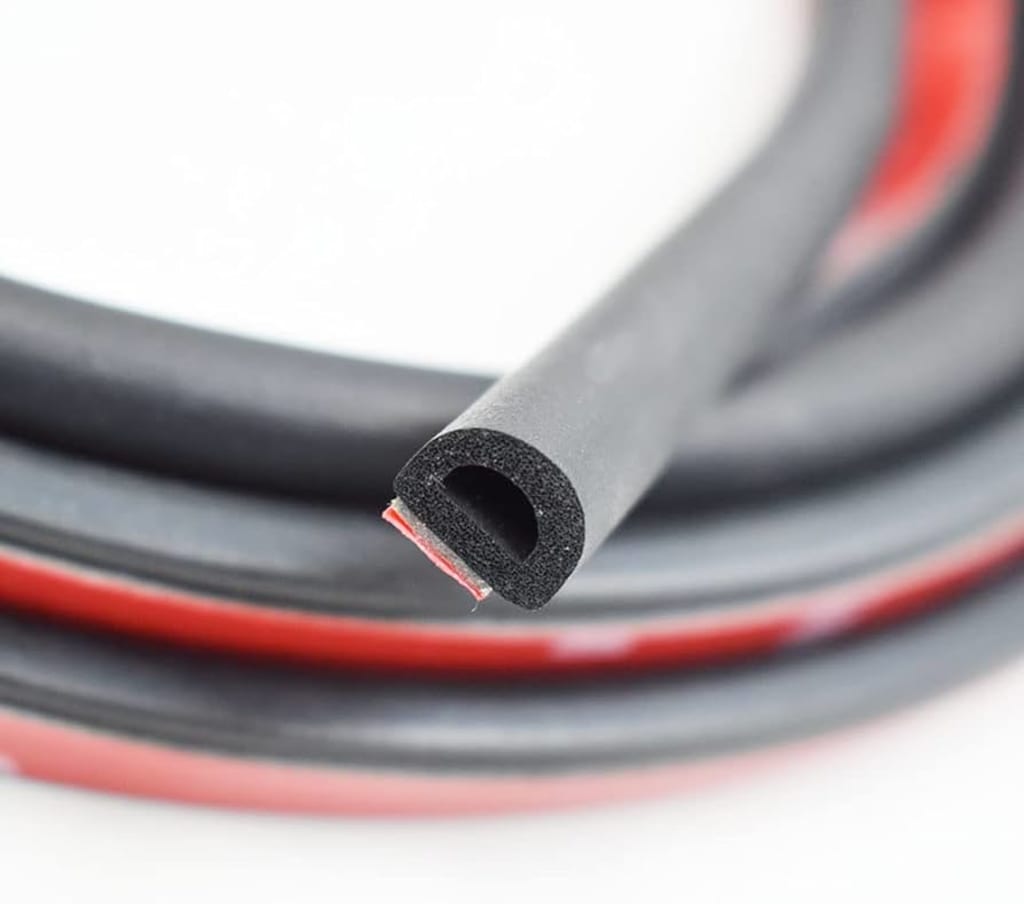
Marine industry evolves daily due to tough marine conditions that most equipment and products have to endure. Sea water, salt and varying temperatures are a challenge not only to boats, ships and yachts. These include factors such as water tightness of hatches and ports, windows and doors, and compartments. One major solution through which this has been aptly dealt with is the application of rubber D-seal profiles. These differentiated rubber seals offer enhanced water resistance and resist breakages that are likely to occur due to exposure of rubber products to salty water, sun and other aggressive environmental factors. In this blog post, I will describe the utilization of rubber D-seal profiles in order to provide a waterproofing capability in marine applications and the critical component they are to the safety, dryness and overall lengthy lifespan of vessels.
Waterproofing Challenges in the Marine Industry
Marine environment is quite of dangerous to shipping through various impacts that the marine environment can cause on ships big or small, commercial or privately owned yachts. Water infiltration can cause serious problems, such as:
- Corrosion of metal parts: Freshwater can quite easily dissolve salt that will accelerate corrosion and reduce the strength of a boat.
- Damage to electronic components: Voltage that penetrates through electronic compartments results in the formation of short circuits and hence system breakdown.
- Decreased comfort and safety: If water penetrates the cabin or deck it could create hazardous and uncomfortable conditions for its occupants.
To avoid these problems, marine engineers consider good seals which can capable of withstanding fixed immersion in water, and constant motion and vibration in the vessel. It is conventional that rubber D-seal profiles can provide that flexibility as well as the reliability that can address those high expectations.
Main Points Highlighting the Rubber D-Seal Profiles in Marine Industry
D-seal profiles are particularly well adapted to marine environments because of the design and composition of rubber which it is made of. Here are some of the most notable benefits:
#### 1. Water Resistance
For the rubber D-seal profiles the primary application is the sealing against water, which is especially important in shipbuilding. These seals form a perfect gasket to prevent water from seeping into several parts of the boat which are likely to be damaged. This is much more important near doors, windows, and hatches, which are subjected to water splash and water sprays.
#### 2. Flexibility and Compression Resistance are two significant parameters in metal choices The following figure illustrates the relation between these two factors and how they are applied in metal choices Fig Metal Choices Flexibility and Compression Resistant Originality versus Copycat Success The degree of flexibility coupled with the level of compression resistance required will dictate the type of metal to be used It can be seen in the following figure that attaining high Originality as well as high Copycat Success requires flexibility and
Boat and ship structures are constantly in motion and this exposes most parts to wear by other less resistant materials. D-seals come in rubber and they have a unique ability to compress and expand to give a perfect seal even under regular vibrations and movements. This also makes them able to accommodate odd shapes and surfaces hence fitting tightly.
#### 3. Endurance In Direct Social Elements
UV light, salt water and wet/dry cycling are very damaging to most materials. Rubber d-seal profiles, which may be produced from EPDM rubber or neoprene rubber are relatively immune to these factors. The ones I still prefer are flexible and maintain high performance in high and low temperatures and do not wear out quickly for longevity.
#### 4. Easy Installation and Replacement
The third benefit of rubber D-seals is that require simple fittings to install them in place. It can be effectively laid down of several parts of the vessel, and where wear and tear occurs, it can easily be replaced. This makes them very economical when cost is make-over in the long run.
The common marine sealing problems solved by rubber d seal profiles
Due to its versatile design and material properties, Rubber D-seal profiles effectively address several typical sealing challenges experienced in the marine sector. Let’s take a look at how they address specific issues:
#### 1. Water penetration through doors and hatches is one of the biggest obstacles in any house, which may lead to extreme damage, and this article will outline how to avoid water infiltration around doors and hatches.
One of these areas is a marine doors and hatches that are the primary ways for water to enter into the ship. From time to time it can be subjected to wave, rain and spray that might erode the traditional seals. The entry points are sealed with durable Rubber D-seals to ensure that water tightness is maintained while flexibility is inherent in the construction. Its D-shaped nose cone seats with a precisely shaped recess, which will not allow water and/or wind to penetrate theInterior.
#### 2. Windows Bar for Protection against Water & UV vårm Prestashop Theme Free Download
Windows in boats and yachts are extremely vulnerable to direct sunlight, saltwater and wind blasts. Rubber D-seals help these parts by shutting out water at the window frame and providing UV protection against material breakdown. It helps to guarantee that windows maintain their seal over the course of their use without likely leaks or structural collapse.
#### 3. Sealing of Engine and Equipment Compartments
There is high risk of water penetration in an Engine and other equipment compartments of a vessel since they contain highly critical machinary and electrical equipment’s. To ensure that water does not seep into these compartments and hence cause corrosion, electrical short circuits or any other mechanical problems, Rubber D-seals are used to form a sealing cover on these compartments.
#### 4. Increasing Comfort of the Cabin and Reducing the Possibility of Water and Air Penetration
Internal water entry in the enclosed cabin of a boat or a yacht may lead to an uncomfortable or a more dangerous condition. Rubber D-seals are normally fitted around cabins doors, ports and ventilation areas where their primary function is to prevent water ingress while also preventing drafts getting into the boat’s interior and wetting the interior surfaces.
Rubber D-Seal Profiles Used in Marine Industries
rubber product is sensitive to its applications and not all rubber material may be used in marine application. Marine-grade rubber D-seals are typically made from the following materials due to their superior performance:
#### 1. EPDM is an acronym for Ethylene Propylene Diene Monomer Rubber.
- UV Resistance: EPDM is very immune to ultra violet rays which is desirable for parts such as door and boot seals exposed to the sun directly.
- Ozone and Weather Resistance: EPDM’s elasticity does not degrade over time and is applicable in areas that come into contact with saltwater or featured in areas that experience extreme hot or cold temperatures.
- Temperature Tolerance: EPDM rubber does not crystallize in cold weather and does not harden or soften in hot weather and therefore is suitable for marine seals.
#### 2. Neoprene Rubber
- Saltwater Resistance: Neoprene rubber is immune to the effects of sea water thereby making it suitable for use in the marine environment.
- Chemical Resistance: It is also had resistance to oils and other chemicals to such an extent they can be used in areas such as engine compartments.
- Impact and Compression Resistance: Hence, Neoprene is suitable for places that are subjected to frequent motion or vibration due to its density resistance to physical stress.
---
The following are custom rubber D-seal solutions purpose for marine use:
Because of the versatility of the construction, most manufacturers create rubber D-seal profiles to meet the demands of different boats and ships. This helps to guarantee that the seals match exactly which in term will improve on its efficiency of preventing water leakage.
- Tailored for Irregular Shapes: Some seals can be made to the specific size and shape of a boat and its hatches, windows and doors.
- Enhanced Durability: Customisation permits the choice of material according to the requirement such as improved ultraviolet protection or higher durability for locations with high traffic volume.
---
#### VI Conclusions and Trends for Future Development of Marine Sealing Technology
The nature of the marine industry is therefore dynamic and as such the sealing solutions applied in the vessels are also dynamic. Future trends in marine sealing technology include:
- Advanced Materials: It can be seen that improvements in rubber compounds are resulting in seals that are more long lasting and flexible, sealing in tougher environments.
- Sustainability: Synthetic rubber has a high demand for sealing applications because; people prefer materials that are not biodegradable or recyclable than those that are eco-friendly.
- Smart Sealing Solutions: They have mentioned that using sensors in seals to maintain or detect leaks in future can be employed and such plans will make seals more safe in real-time modes.
### Conclusion
D-seal profiles made from rubber offer a basic solution for solving the waterproofing difficulties in the marine business. Owing to its features such as water proofing, flexibility and high endurance such seals are suitable for sealing of doors and windows, hatches as well as equipment compartments. Due to its properties to resist water, exclude drafts and protect against various types of detrimental effects of environment, rubber D-seal profiles increase durability, safety of marine vessels. Looking at the future, it is quite safe to expect that as technology progresses, and material science evolves, more and more remarkable sealing solutions will be found to bring even more efficient protection to the marine assets.
About the Creator
Excel Rubber Industries Inc
Excel Rubber Industries is a leading manufacturer of custom rubber products, specializing in high-quality seals, gaskets, O-rings, and profiles for various industries, including automotive, aerospace, and medical.
Enjoyed the story? Support the Creator.
Subscribe for free to receive all their stories in your feed.
Comments
There are no comments for this story
Be the first to respond and start the conversation.