
Predictions for the Future of Digital Music Platforms
music
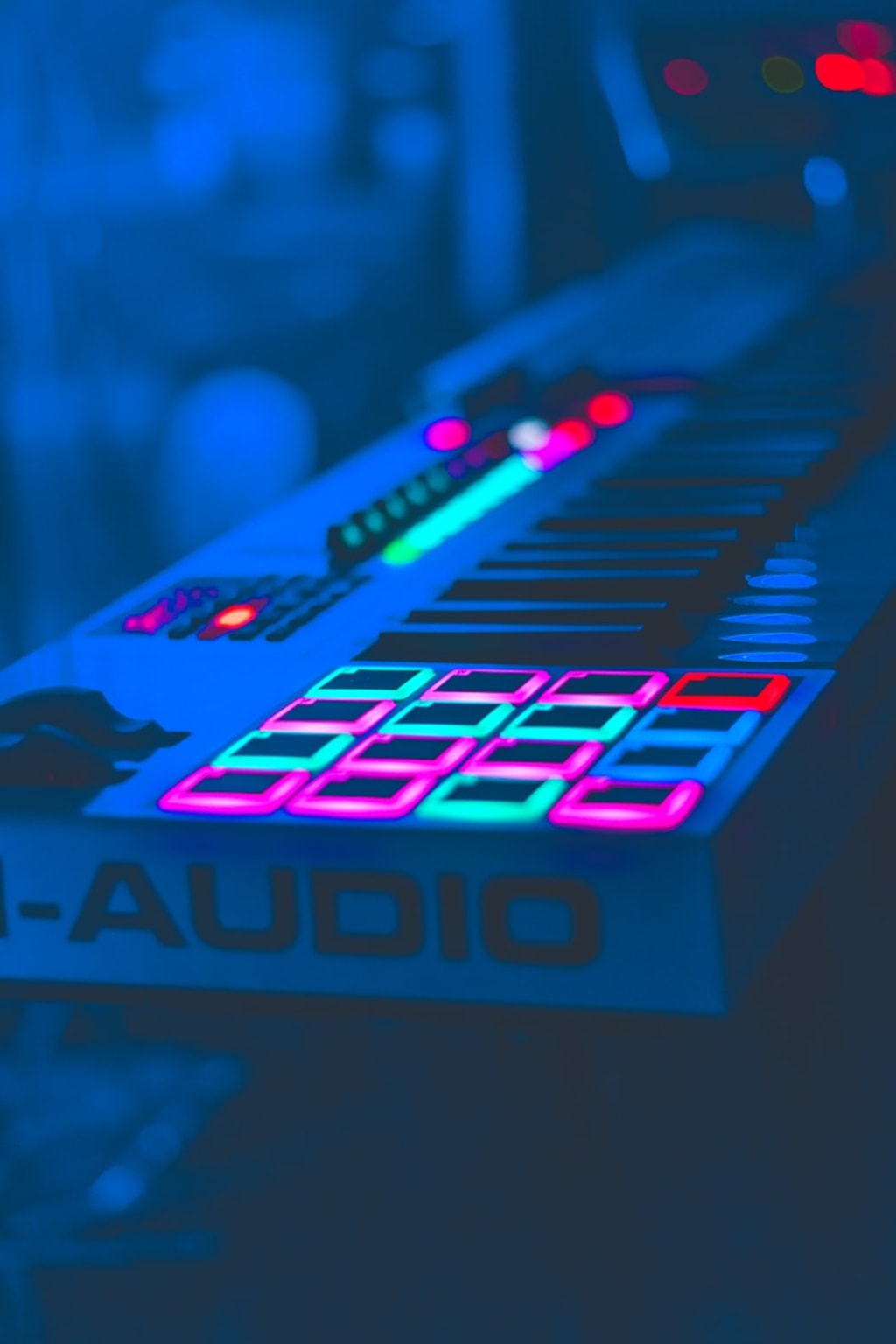
The music industry is no stranger to disruption. Over the past two decades, technology has transformed how we create, distribute, and consume music. From vinyl records to streaming platforms, every shift has brought new opportunities and challenges. As we move deeper into the digital age, the future of music platforms promises even more innovation. In this article, we’ll explore upcoming trends, emerging technologies, and potential challenges that could shape the next era of music consumption.
The Role of AI in Shaping Music Recommendations
Artificial Intelligence (AI) is set to revolutionize music platforms by delivering hyper-personalized recommendations. Streaming services already use AI algorithms to analyze listening habits and curate playlists tailored to individual users. However, future advancements might include real-time mood-based playlists or AI-composed music that aligns with personal tastes. The rise of data-driven curation could even influence how artists create music, tailoring tracks to align with audience preferences revealed by analytics. This approach reflects the growing symbiosis between technology and creativity.
For instance, platforms like YouTube continue to be critical for discovering new music and artists. Being the go-to platform for visual storytelling, it has played a pivotal role in making some musicians the most viewed artist on YouTube. The future of AI on YouTube might even involve auto-generating interactive music videos or 3D visual experiences for listeners.
Interactive Music Experiences Through Virtual Reality
Virtual Reality (VR) and Augmented Reality (AR) hold immense potential to transform the music experience. In the future, attending virtual concerts or interacting with artists in immersive environments could become mainstream. Imagine putting on a VR headset and experiencing your favorite artist’s performance as if you were in the front row, all from the comfort of your home.
This technological leap also opens up new monetization opportunities for artists, such as selling virtual tickets or offering exclusive merchandise within VR environments. Legacy platforms like the Winamp music player might even adapt to offer interactive features for VR users, blending nostalgia with cutting-edge innovation.
Decentralized Platforms Powered by Blockchain
Blockchain technology is gradually making its way into the music industry, promising greater transparency and control for artists. Decentralized platforms could allow musicians to distribute their work directly to fans, bypassing intermediaries like record labels or streaming services. Blockchain also has the potential to simplify royalty distribution, ensuring that artists and beat producers are paid fairly for every stream or download of their work.
As this technology develops, beat producers, who are often the backbone of music production, could gain recognition and compensation through transparent systems. Learn more about the vital role of a beat producer in shaping today’s music landscape and how decentralized tools could enhance their careers.
Evolving Subscription Models and Payment Systems
The current era of subscription-based music platforms has redefined how we access music. However, rising costs have led to increasing scrutiny of platforms like Apple Music. Moving forward, companies will need to strike a balance between affordability and value. Flexible pricing models, such as pay-per-stream or family plans, could emerge as alternatives to traditional subscriptions. Understanding Apple Music charges will remain a priority for users looking to optimize their spending while enjoying premium features.
Additionally, cryptocurrencies could become a viable payment option, giving users more control over transactions while enabling artists to bypass traditional financial barriers.
The Future of Socially Conscious Music
Music has long been a tool for driving social change, and this trend will only grow stronger. With platforms offering direct communication channels between artists and fans, songs with meaningful messages, like 4 the people songs, will continue to resonate. Digital platforms will likely amplify these voices, enabling grassroots movements and global conversations.
Streaming services may also integrate features like donation buttons or interactive campaigns to encourage listeners to support causes highlighted in socially conscious songs. This fusion of technology and activism could redefine the role of music in shaping societal narratives.
Challenges and Ethical Considerations
While these advancements are exciting, they also come with challenges. Issues such as data privacy, algorithmic bias, and the commodification of music could hinder progress. As platforms collect more data to personalize experiences, ensuring ethical use and protecting user privacy will be critical. Similarly, over-reliance on algorithms might limit diversity, pushing artists to conform to popular trends instead of fostering innovation.
Platforms must also address the growing debate around fair compensation. With streaming royalties under scrutiny, emerging technologies must prioritize equitable payment structures to ensure all contributors, from lead singers to beat producers, are compensated fairly for their efforts.
Conclusion
The future of digital music platforms is brimming with potential, blending cutting-edge technology with creative artistry. From AI-powered curation to VR concerts and blockchain transparency, the possibilities are endless. However, navigating ethical challenges and maintaining a balance between innovation and user satisfaction will be crucial.
As music continues to evolve, so do the ways we experience and interact with it. What trends do you think will define the future of music? Share your thoughts in the comments below!
About the Creator
Enjoyed the story? Support the Creator.
Subscribe for free to receive all their stories in your feed.
Comments
There are no comments for this story
Be the first to respond and start the conversation.