
Places to Visit in Bhutan: A Journey Beyond the Ordinary
Places to Visit in Bhutan

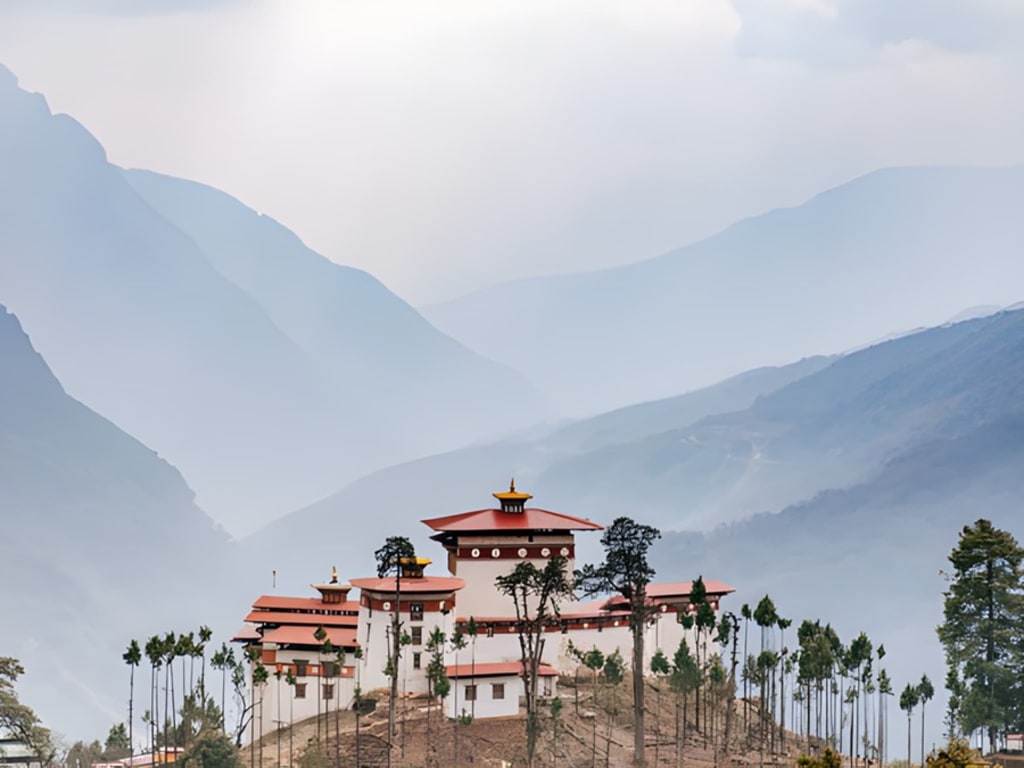
There are places you visit, and then there are places that quietly change the way you see the world. Bhutan belongs to the second category.
Tucked deep in the Himalayas, Bhutan doesn’t overwhelm you with flashy attractions or crowded streets. Instead, it reveals itself slowly—through mist-covered mountains, silent monasteries, and moments of stillness you didn’t know you needed.
When I first started researching the places to visit in Bhutan, I expected a typical checklist of landmarks. What I found instead was something far more meaningful: a country that invites you to slow down, observe, and experience rather than rush.
This guide is not just about where to go—it’s about what each place feels like, and why it stays with you long after you leave.
🏔️ Paro Taktsang: The Climb That Stays With You
You’ve probably seen photos of Tiger’s Nest Monastery perched dramatically on a cliff. But no image truly prepares you for the moment you see it in person.
The hike begins quietly, winding through pine forests with prayer flags fluttering overhead. As you climb higher, the air gets thinner, and the noise of the world fades away. Then suddenly, through the clouds, the monastery appears—almost unreal.
Reaching the top isn’t just about the destination. It’s about the journey, the pauses, and the silence in between.
If you’re wondering about the best places to visit in Bhutan, this is where your journey should begin.
🌆 Thimphu: A Capital That Feels Personal
Thimphu is unlike any capital city you’ve visited before.
There are no traffic lights. Buildings follow traditional architecture. Life moves at its own rhythm.
What stood out to me wasn’t a specific attraction—it was the feeling of balance. You can visit the towering Buddha Dordenma statue in the morning and walk through a bustling local market by afternoon.
It’s where Bhutan’s traditions and modern life quietly coexist.
🏞️ Punakha: Where Rivers and History Meet
The road to Punakha is a journey in itself, especially when you pass through Dochula Pass. On a clear day, the Himalayan peaks stretch endlessly across the horizon.
But Punakha Dzong is the real highlight.
Standing at the meeting point of two rivers, this fortress feels both powerful and peaceful. If you visit in spring, the surrounding jacaranda trees bloom in soft purple hues, making the entire landscape feel almost dreamlike.
🌄 Phobjikha Valley: Silence, Nature, and Space
Some places don’t need attractions—they simply need to exist.
Phobjikha Valley is one of them.
Wide, open landscapes replace busy streets. The air feels cleaner, the pace slower. If you visit during winter, you might spot the rare black-necked cranes that migrate here.
Even without them, the valley offers something rare: uninterrupted quiet.
🏔️ Bumthang: The Spiritual Heart of Bhutan
If Bhutan had a soul, it would probably be found in Bumthang.
This region is home to some of the oldest temples and monasteries in the country. But what makes it special isn’t just its history—it’s the atmosphere.
There’s a depth here that’s hard to explain. Whether you’re visiting a temple or simply walking through a village, you feel connected to something older and more grounded.
🌿 Haa Valley: Bhutan’s Hidden Side
Not every traveller makes it to Haa Valley, and that’s exactly why it feels so special.
It’s quieter, less explored, and beautifully raw. The landscapes are untouched, and the experience feels more personal.
If you’re someone who prefers discovering places rather than following crowds, Haa Valley might become your favorite part of Bhutan.
🧭 Choosing the Right Places for Your Trip
One of the most common questions travellers ask is:
How many places should you visit in Bhutan?
The answer depends on how you want to experience the country.
Here’s a simple way to think about it:
- Short trips (4–5 days): Focus on Paro, Thimphu, and Punakha
- Balanced trips (6–7 days): Add Phobjikha Valley
- Longer journeys (8+ days): Explore Bumthang or Haa Valley
Bhutan is not a place you rush through. Fewer destinations often lead to a deeper experience.
📅 When Is the Best Time to Visit Bhutan?
Timing can shape your entire experience.
Spring and autumn are considered the best time to go to Bhutan, but each season offers something different.
In spring, the valleys come alive with color, and the weather is ideal for exploring. Autumn brings clear skies and vibrant festivals that give you a deeper look into Bhutanese culture.
Winter is quieter, with fewer tourists and a more peaceful atmosphere, especially in valleys like Phobjikha.
💡 A Practical Insight Most Guides Don’t Tell You
Traveling in Bhutan is not like visiting other countries.
You can’t simply book a hotel and explore on your own. Most trips are organized through licensed operators, and daily costs are structured to support sustainable tourism.
At first, this might feel restrictive. But once you’re there, it becomes clear why this system exists.
It protects the country’s culture, environment, and way of life—ensuring that Bhutan remains as authentic tomorrow as it is today.
🌍 Why Bhutan Feels Different
There’s a reason Bhutan is often described as one of the most unique travel destinations in the world.
It’s not just the monasteries or mountains. It’s the way everything feels intentional.
Nothing is rushed. Nothing feels excessive.
Even luxury here is quiet and understated—focused more on experience than display.
❓ Frequently Asked Questions
1. What are the best places to visit in Bhutan for first-time travellers?
For first-time visitors, Paro, Thimphu, and Punakha are the most recommended places. They offer a balanced mix of culture, nature, and accessibility while giving a true introduction to Bhutan.
2. What is the best time to go to Bhutan?
The best time to visit Bhutan is during spring (March to May) and autumn (September to November). These seasons provide clear weather, beautiful landscapes, and vibrant cultural festivals.
3. How many days are enough to explore Bhutan?
A 5 to 7-day trip is ideal to cover the main places to visit in Bhutan. If you want a deeper experience, consider extending your stay to explore valleys like Bumthang.
4. Is Bhutan suitable for luxury travel?
Yes, Bhutan is increasingly popular among luxury travellers. It offers exclusive stays, private experiences, and a peaceful environment that appeals to those seeking privacy and authenticity.
5. Do I need a guide to travel in Bhutan?
Yes, most travellers are required to book through a licensed tour operator. This ensures a structured and culturally respectful travel experience.
✨ Final Thoughts: Bhutan Is Meant to Be Felt
Bhutan is not about checking destinations off a list.
It’s about the quiet moments—the sound of prayer flags in the wind, the stillness of a monastery, the feeling of standing above the clouds.
The places to visit in Bhutan are just the beginning. What truly stays with you is how those places make you feel.
✈️ Planning Your Bhutan Journey
If you’re considering Bhutan for your next trip, take your time planning it thoughtfully. Choose experiences that align with your pace and interests rather than trying to see everything at once.
Bhutan rewards those who travel slowly, observe deeply, and remain open to its quiet beauty.
And when you return, you may realize something unexpected—you didn’t just visit Bhutan.
You experienced it.
About the Creator
All 4 Season
All 4 Season is a premier luxury travel agency with over 25 years of experience in crafting bespoke holidays, curated tours, and corporate travel management. We specialise in leisure, corporate, and MICE travel across India and worldwide.
Enjoyed the story? Support the Creator.
Subscribe for free to receive all their stories in your feed.
Comments
There are no comments for this story
Be the first to respond and start the conversation.