
Neo-Druidism: A Pagan Religion That Is Still Present
Neodruidism coexists with monotheistic religions while maintaining its original beliefs

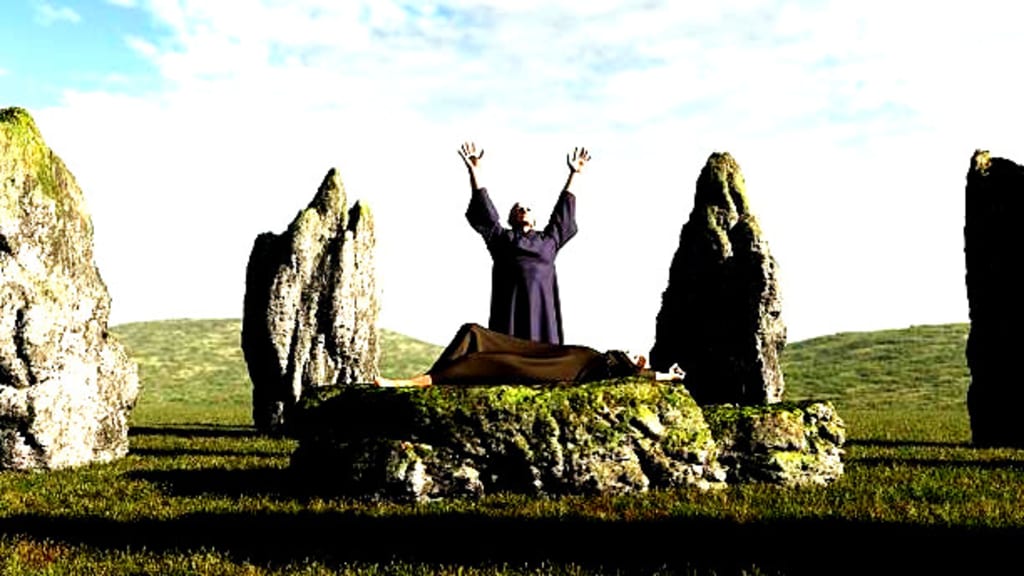
We are now in the third millennium, and pagan religions are still alive. One of them is Neodruidism, which has 250,000 followers worldwide.
Neo-Druidism is a modern spiritual movement that seeks to revive and reinterpret the ancient practices and beliefs of the Druids, the priestly class of ancient Celtic societies. This contemporary form of Druidism emerged primarily in the 18th century as part of the Romantic movement, which idealized the spiritual wisdom and natural harmony attributed to ancient Celtic cultures.
The roots of Neo-Druidism can be traced back to the Romantic period when figures like Iolo Morganwg and William Stukeley began to reconstruct Druidic traditions based on limited historical knowledge and folklore. Morganwg, in particular, founded the Gorsedd, a ceremonial gathering that became integral to modern Druidic practice. The first organized Druidic groups, such as the Ancient Druid Order, were established in the early 18th century, often modeled after Masonic societies, which influenced their structure and rituals.
Neo-Druidism encompasses a wide range of beliefs and practices. Central to Neo-Druidism is a deep respect for the natural world. Nature is viewed as sacred, and many Neo-Druids believe in the interconnectedness of all life, including humans, animals, and plants.
They adopt polytheistic beliefs, worshipping multiple deities, often drawn from the Celtic pantheon. Others may identify as monotheistic or duotheistic, seeing divinity as manifest in various forms.
Rituals often draw inspiration from nature, mythology, and ancient traditions. Common practices include meditation, prayer, and the celebration of seasonal festivals, which align with the cycles of nature. Participants frequently gather in circles, symbolizing unity and connection, and may engage in communal activities such as chanting and blessing rituals.
Environmental stewardship
Neo-Druidism represents a modern spiritual path that seeks to honor the ancient traditions of the Druids while adapting them to contemporary values and ecological concerns. With its emphasis on nature, community, and spiritual exploration, Neo-Druidism continues to evolve, attracting a diverse following across the globe.
Environmental stewardship is a fundamental aspect of Neo-Druidism, reflecting the movement's deep reverence for nature and commitment to ecological responsibility. Here are the key elements that illustrate the significance of environmental stewardship within this spiritual framework:
At the core of Neo-Druidism is the belief that nature is sacred. Practitioners view the Earth as a living entity, often personified as "Mother Earth." This perspective fosters a profound respect for all forms of life and the ecosystems that sustain them. Neo-Druids believe that honoring the gifts of the Earth is a sacred duty, which includes protecting and preserving the environment.
Many Neo-Druids see environmental activism as a spiritual obligation. This commitment manifests in various forms, including participation in conservation efforts, advocacy for sustainable practices, and involvement in community initiatives aimed at protecting natural habitats. The belief that harming the environment is akin to committing a spiritual offense underscores the urgency of their stewardship efforts.
Neo-Druidism aligns closely with eco-spirituality, which emphasizes the interconnectedness of all life and the importance of living in harmony with nature. This integration encourages practitioners to engage in practices that promote ecological awareness and sustainability, such as mindful consumption, recycling, and supporting local ecosystems.
The Druidic calendar, which includes seasonal festivals and rituals, serves as a reminder of the cycles of nature and the importance of environmental stewardship. Celebrations such as Beltane and Samhain not only honor the changing seasons but also reinforce the connection between spiritual practices and ecological awareness. These rituals often involve activities that promote environmental health, such as planting trees or cleaning natural spaces.
Neo-Druidism emphasizes community involvement and collective action in environmental stewardship. Many groups organize events that bring together practitioners to engage in ecological projects, fostering a sense of community while addressing environmental issues. This communal approach reflects the belief that collective efforts can lead to meaningful change in protecting the Earth.
Conclusion
Neo-Druidism embodies a holistic approach that integrates spiritual beliefs with ecological values. This integration is evident in the way practitioners view their spiritual journey as one that involves not only personal growth but also a commitment to the health of the planet. The emphasis on living lightly on the land and respecting all forms of life reflects the core tenets of eco-spirituality.
Eco-spirituality significantly influences this religion beliefs and practices by fostering a deep reverence for nature, promoting environmental stewardship, and integrating spiritual and ecological values. This connection to the Earth is not only a spiritual pursuit but also a call to action for the protection and preservation of the natural world.
About the Creator
Ninfa Galeano
Journalist. Content Creator. LGBT+ perspective 🏳️🌈
Enjoyed the story? Support the Creator.
Subscribe for free to receive all their stories in your feed.
Comments
There are no comments for this story
Be the first to respond and start the conversation.