
Music, Mental Health, and the Road to Creativity
music
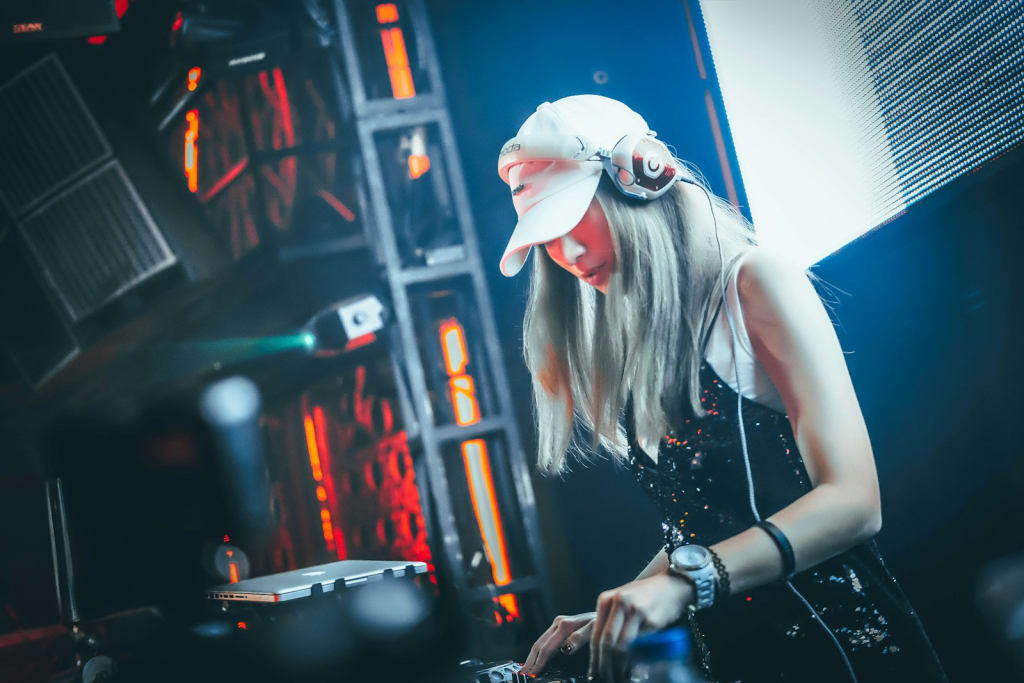
Music has long been celebrated as a universal language that transcends barriers. But beyond its entertainment value, music offers profound therapeutic benefits. Whether it’s the joy of playing an instrument, the sense of achievement in creating a new composition, or simply the act of listening, music enriches mental well-being in unique ways. For artists and enthusiasts alike, understanding the interplay between music, mental health, and creativity can unlock significant potential for growth and happiness.
The Therapeutic Power of Playing an Instrument
Playing an instrument isn’t just a skill—it’s a form of therapy. The physical act of creating music engages the mind and body, offering a release from stress and anxiety. Studies have consistently shown that Playing an Instrument is Great for Your Mental Health. The rhythmic patterns of music can reduce cortisol levels, the hormone associated with stress, while enhancing the production of dopamine, which fosters feelings of pleasure and satisfaction.
For those struggling with mental health challenges, picking up an instrument can be transformative. It provides an outlet for self-expression and a means to channel emotions constructively. Additionally, the repetitive practice of scales or chords can induce a meditative state, promoting mindfulness and reducing overthinking.
Creativity Through Challenges: Lessons from Entrepreneurs
Musicians, like entrepreneurs, face challenges that demand innovative solutions. From building a personal brand to navigating industry shifts, the journey often parallels the business world. Exploring Things Artists Can Learn From Entrepreneurs can illuminate how creativity flourishes under constraints
Entrepreneurs often emphasize the importance of resilience—a skill that applies equally to artists. When faced with setbacks, such as writer’s block or performance anxiety, musicians can adopt entrepreneurial strategies like goal setting, experimentation, and embracing failure as part of the learning process. These approaches not only boost creativity but also strengthen mental health by cultivating a growth mindset.
Post-Pandemic Shifts in Music Performance
The COVID-19 pandemic brought significant changes to the way music is experienced and performed. While the absence of live shows initially created a void, it also gave rise to innovative formats. Understanding Live Shows During And Post Pandemic reveals how artists adapted, merging virtual and physical elements to redefine performances.
For artists, this shift required adaptability and resilience—qualities that directly influence mental well-being. Virtual concerts, though initially seen as a temporary fix, became platforms for intimate fan engagement and creative exploration. For audiences, these performances provided solace and connection during isolation.
The hybrid model of live shows, now a permanent fixture in the industry, underscores the need for artists to balance technological innovation with emotional authenticity. This balance not only enhances creativity but also provides a sense of stability in an unpredictable landscape.
Virtual Reality: The Future of Musical Experiences
As technology continues to evolve, virtual reality (VR) is emerging as a powerful tool in the music industry. Platforms that allow fans to attend concerts in immersive, 360-degree environments are revolutionizing the way live music is consumed. The question is no longer if but Can Virtual Reality (VR) be the future of Live Music?
For artists, VR offers a new canvas for creativity. Designing virtual stages, interacting with fans in real-time, and creating multisensory experiences expand the boundaries of traditional performances. This technological innovation is not only exciting but also mentally stimulating for musicians, pushing them to explore uncharted creative territories.
From a mental health perspective, VR can also provide therapeutic opportunities. For individuals unable to attend live concerts due to anxiety or other challenges, virtual environments offer a safe space to enjoy music and feel connected to a larger community.
Skills Every Artist Should Cultivate
In today’s fast-paced industry, being a musician involves more than just performing or composing. Developing a diverse skill set is crucial for success and personal fulfillment. Aspiring artists should focus on Skills to Learn as an Indie Artist to navigate the complexities of the modern music landscape.
These skills include marketing, financial planning, and self-promotion, all of which contribute to a balanced career. For instance, learning basic sound engineering or social media management can reduce reliance on external support, empowering artists to take control of their creative vision. This autonomy fosters confidence and reduces the stress often associated with collaborative dependency.
Moreover, continuous learning keeps the mind sharp and engaged, providing an antidote to stagnation—a common pitfall for creatives. By embracing a lifelong learning mindset, artists can sustain both their mental health and their creative spark.
How Music Therapy Benefits Mental Health
Beyond playing and performing, music itself acts as a therapeutic tool. Music therapy, a well-established field, leverages the emotional power of sound to treat various psychological conditions. Patients with depression, anxiety, or post-traumatic stress disorder (PTSD) often report significant improvement when engaged in music therapy sessions.
The science behind this is rooted in the brain’s response to rhythm and melody. Music stimulates the release of endorphins, improves neural connectivity, and even aids in physical rehabilitation. For musicians, understanding the healing power of their art can be profoundly motivating. Knowing that their work has the potential to change lives offers a deeper sense of purpose and fulfillment.
Conclusion
Music has the power to heal, inspire, and connect. For artists, the journey is not just about producing hits or performing for adoring crowds; it’s about nurturing their mental health and unlocking their creative potential. By embracing practices such as playing an instrument, learning entrepreneurial strategies, and exploring emerging technologies like VR, musicians can thrive in an ever-changing world.
As we continue to explore the intersection of music, mental health, and creativity, one thing is clear: the possibilities are endless.
What role does music play in your mental well-being? Share your thoughts and experiences in the comments below!
About the Creator
Enjoyed the story? Support the Creator.
Subscribe for free to receive all their stories in your feed.
Comments
There are no comments for this story
Be the first to respond and start the conversation.