
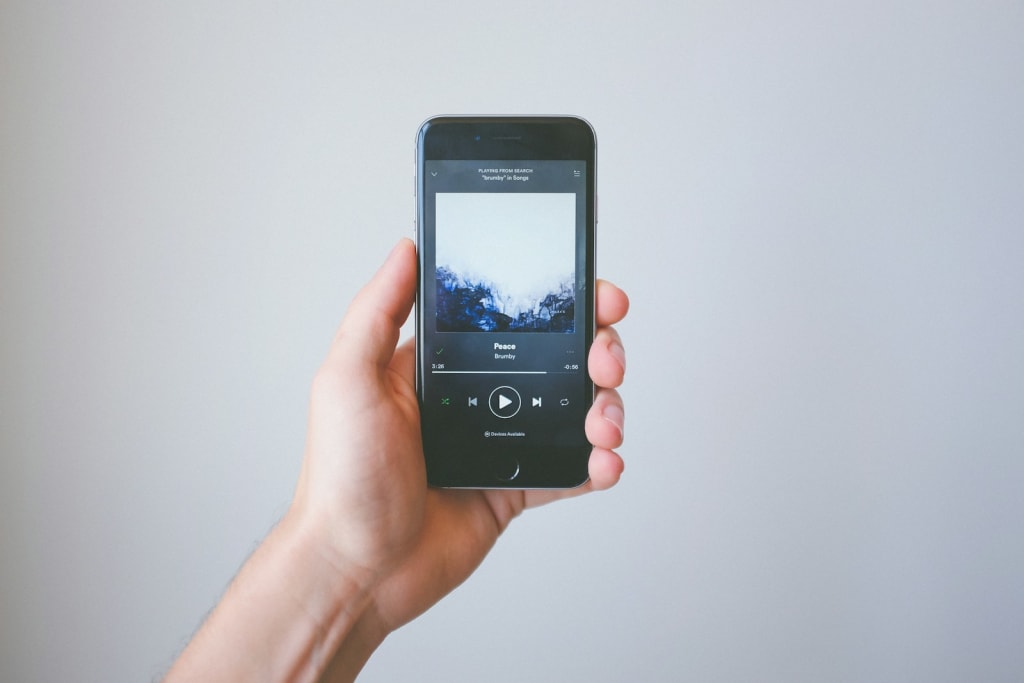
Music has always been a universal language, transcending barriers and connecting people across cultures, ages, and beliefs. During challenging times, its role becomes even more significant, acting as a source of comfort, resilience, and unity. The COVID-19 pandemic was one such era where music emerged as a beacon of hope, touching lives in profound ways. The importance of Music During Pandemics cannot be overstated, as it not only provided emotional relief but also fostered creativity and innovation within the industry.
The Healing Power of Music
The pandemic brought with it isolation, uncertainty, and emotional turmoil. For millions confined to their homes, music became a therapeutic tool to combat stress and loneliness. Studies have long highlighted the benefits of listening to music, including its ability to reduce anxiety, improve mood, and even strengthen the immune system. During the pandemic, playlists curated to offer solace and encouragement became immensely popular. Whether it was upbeat tracks to energize or soothing melodies to relax, music helped people navigate their emotions.
Music as a Tool for Connection
Social distancing and lockdowns created physical barriers, but music acted as a bridge. Online platforms witnessed a surge in virtual concerts and live streaming events, allowing artists to connect with their audiences in innovative ways. These performances not only entertained but also created a sense of community. Global anthems like "Lean on Me" and "We Are the World" were reimagined, bringing people together despite the distance. The resilience shown by artists and the adaptability of Artist Managers during these times ensured that music remained accessible to all.
Creativity Amidst Crisis
For many artists, the pandemic was a time of reflection and reinvention. With tours canceled and in-person collaborations halted, creators explored new ways to make and share music. Virtual collaborations flourished, resulting in unique projects that might not have existed otherwise. However, even the most seasoned artists faced challenges, including creative blocks. Finding ways to beat writer's block became crucial as musicians sought to express their emotions and experiences during this unprecedented time.
The Role of Timing in Music Releases
The pandemic disrupted traditional release schedules, prompting artists to rethink their strategies. One effective approach that emerged was leveraging the Benefits of Midweek Music Release. Releasing tracks midweek allowed artists to stand out in a less crowded space, gaining visibility on streaming platforms and social media. These strategic decisions often led to better engagement and chart performance.
Economic Challenges and Adaptations
The music industry faced significant financial setbacks during the pandemic. With live performances—a major source of income for many—coming to a halt, both artists and their teams had to find alternative revenue streams. Understanding How Does an Artist Manager Get Paid became critical as managers worked tirelessly to secure brand deals, sponsorships, and digital revenue for their clients. This period highlighted the resilience and creativity of the industry in finding ways to sustain itself.
The Emotional Impact of Music
Music played an essential role in addressing mental health concerns during the pandemic. Songs of hope and resilience often went viral, resonating with listeners worldwide. Many people turned to music to process their emotions, with streaming platforms reporting increased activity in genres like classical, lo-fi beats, and even nostalgic tracks from decades past. Music therapy also gained prominence as a recognized form of support for individuals dealing with anxiety, depression, and grief.
The Rise of Independent Artists
The shift to digital platforms and virtual events leveled the playing field for independent artists, offering them unprecedented opportunities to share their work. Platforms like YouTube, TikTok, and Spotify enabled musicians to reach global audiences without the traditional gatekeepers of the industry. This democratization of music not only diversified the content available but also encouraged a new wave of creativity and authenticity.
Music as a Catalyst for Social Change
The pandemic also amplified the role of music in social and political movements. Protest songs addressing issues like racial inequality, climate change, and healthcare disparities gained traction, becoming rallying cries for change. These powerful anthems reminded us that music is not just entertainment—it is a tool for advocacy and transformation.
The Future of Music Post-Pandemic
As we move beyond the pandemic, the lessons learned during this time will continue to shape the music industry. Virtual concerts and hybrid events are likely to remain a part of the landscape, providing more accessibility to fans worldwide. Artists and managers have adapted to a world where digital presence is as important as physical performances, ensuring that music continues to thrive.
Conclusion: The Enduring Power of Music
The pandemic underscored music's unique ability to heal, connect, and inspire. It highlighted the adaptability of artists and the resilience of the music industry, proving that creativity can flourish even in the face of adversity. Whether it's the strategic insights of Artist Managers, the emotional support provided by Music During Pandemics, or the strategic thinking behind the Benefits of Midweek Music Release, the contributions of every individual in the music ecosystem are invaluable.
What role has music played in your life during challenging times? Share your thoughts and favorite tracks in the comments below!
About the Creator
Enjoyed the story? Support the Creator.
Subscribe for free to receive all their stories in your feed.
Comments
There are no comments for this story
Be the first to respond and start the conversation.