
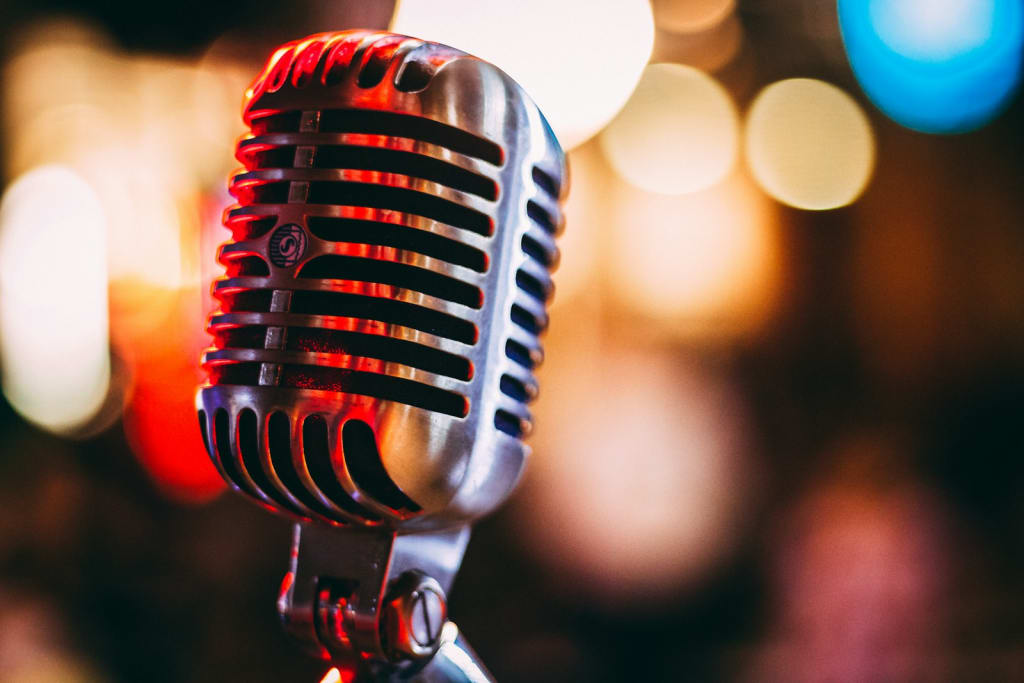
The music industry has undergone a dramatic transformation in the digital age. What once required physical media like vinyl records, cassette tapes, and CDs has now shifted to intangible formats like MP3s, streaming services, and cloud storage. These changes have not only impacted how music is distributed and consumed but also the way it is created, shared, and appreciated. Let’s dive deeper into how technology has revolutionized the music experience, making it more accessible, versatile, and innovative than ever.
The Evolution of Music Listening Devices
The journey of music consumption wouldn’t be complete without understanding how listening devices have evolved. From phonographs and record players to portable cassette decks and MP3 players, the Evolution of Music Listening Devices is a fascinating tale of innovation. Today, with smartphones and wireless earbuds, listeners enjoy unparalleled convenience and sound quality. The advent of smart speakers and virtual assistants has added a new layer of interactivity to how we experience music.
The Rise of Streaming Services
Digital platforms have become the dominant force in music distribution. With services like Spotify, Apple Music, and YouTube, listeners can access millions of songs instantly. The Top 5 Christmas Songs, for instance, are now just a click away, allowing users to curate their playlists or discover new tunes effortlessly. Streaming has also revolutionized the revenue model for artists, with earnings based on play counts instead of album sales. However, this shift raises questions about fairness and sustainability in compensation.
Uncovering Hidden Musical Gems
While digital platforms have amplified mainstream hits, they’ve also enabled niche and independent artists to find their audience. Curated playlists and recommendation algorithms make it easier than ever to stumble upon the Great Albums You May Have Missed. For music enthusiasts, these hidden gems often offer a richer, more personal connection than chart-topping singles.
Music Festivals in the Digital Era
The live music scene has also adapted to the digital revolution. The Top 10 Music Festivals now leverage technology to enhance attendee experiences. From cashless payments and virtual reality concerts to live-streaming performances, festivals have embraced innovation to reach global audiences. For those unable to attend in person, these digital integrations offer a chance to connect with the magic of live music from anywhere in the world.
Recording Music in the Modern Age
One of the most significant advancements in the digital age is the democratization of music production. Musicians no longer need expensive studios to create professional-quality tracks. The Best Alternatives to Record a Professional Music Track offer affordable and accessible solutions for aspiring artists. Digital audio workstations (DAWs), home recording equipment, and online collaboration tools have opened up endless possibilities for creators.
The Impact of AI and Machine Learning
Artificial intelligence (AI) and machine learning have brought about groundbreaking changes in the music industry. AI is now used to compose songs, analyze trends, and even predict hits. Music apps use machine learning to provide personalized recommendations based on listening habits. For example, AI algorithms might suggest songs similar to the Top 5 Christmas Songs or introduce listeners to new artists. While these innovations are exciting, they also spark debates about creativity and the role of human artistry.
Challenges in the Digital Age
Despite its benefits, the digital era has introduced new challenges. Piracy remains a significant issue, with unauthorized downloads and streams impacting artists’ revenues. Additionally, the sheer volume of music available online can make it difficult for emerging artists to stand out. While platforms like Spotify provide exposure, the competition is fierce, and algorithms often favor established acts over newcomers.
How Listeners Benefit from the Digital Revolution
For the average music lover, the digital age has been a boon. Affordable subscription services provide access to vast libraries, making it easier to explore genres, discover the Great Albums You May Have Missed, and revisit old favorites. Social media platforms and streaming apps also enable fans to connect directly with artists, fostering a sense of community and engagement.
The Future of Music Consumption
The future promises even more exciting possibilities for music lovers. With advancements in augmented reality (AR) and virtual reality (VR), concerts and festivals could become fully immersive experiences. Imagine attending the Top 10 Music Festivals from the comfort of your home using VR headsets. Meanwhile, blockchain technology could revolutionize music ownership and royalty distribution, ensuring artists receive fair compensation for their work.
Conclusion
The digital age has undeniably reshaped the music industry, offering unprecedented opportunities for both creators and listeners. From the evolution of listening devices to the rise of streaming platforms, technology has made music more accessible, interactive, and innovative. However, it also presents challenges that require careful navigation to ensure fairness and sustainability. As we embrace the future of music consumption, one thing remains constant: music’s ability to inspire, connect, and transform lives. What’s your favorite way to experience music in the digital era? Share your thoughts in the comments below!
About the Creator
Enjoyed the story? Support the Creator.
Subscribe for free to receive all their stories in your feed.
Comments
There are no comments for this story
Be the first to respond and start the conversation.