
Monetizing Music in the Digital Age: Opportunities for Artists and Platforms
music
The Digital Transformation of Music Revenue
The music industry has undergone a dramatic shift in how it generates revenue, thanks to the rise of digital platforms. In the past, artists relied on album sales, concert tours, and merchandising as primary income sources. Today, streaming services, playlist placements, and innovative monetization tools have opened up new opportunities for musicians and platforms alike. This article explores the various ways artists and platforms are monetizing music in the digital age, from streaming revenue to immersive audio experiences.
Streaming Revenue: The Backbone of Modern Monetization
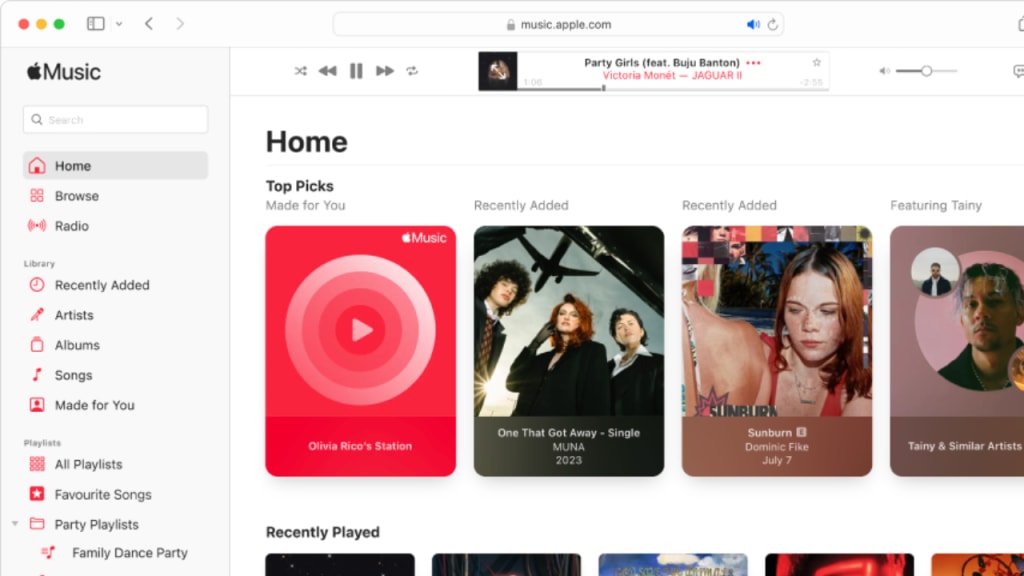
Streaming platforms like Spotify, Apple Music, and Gaana have become the cornerstone of digital music monetization. Services like the apple music web player provide artists with a global stage to showcase their music while earning revenue through plays.
However, streaming revenue is calculated on a per-stream basis, which means artists need millions of plays to generate significant income. Despite this challenge, streaming remains a vital source of revenue, especially when combined with other income streams. Platforms also benefit from subscription fees and ad-supported models, making streaming a win-win for artists and providers.
The Role of Playlists in Revenue Generation
Playlists have become a powerful tool for driving both exposure and revenue. Being featured on a popular playlist can result in a substantial boost in streaming numbers, which translates to increased earnings for artists. Platforms like Spotify curate playlists such as the best playlist on Spotify India, blending popular hits with emerging tracks to keep audiences engaged.
For independent musicians, tools like Playlist Push India offer a pathway to reach these coveted playlists. By pitching their tracks to curators, artists can enhance their visibility, attract new listeners, and grow their fanbase—all of which contribute to monetization.
Expanding Revenue Streams with Immersive Audio
One of the most exciting innovations in music is immersive audio technology like Dolby Atmos. What does Dolby Atmos do to enhance monetization opportunities? It creates a premium listening experience, allowing artists to charge higher prices for immersive tracks and albums.
Platforms like Apple Music have embraced Dolby Atmos, promoting it as a feature for audiophiles who value high-quality sound. For artists, this technology offers a way to stand out in a crowded market, while platforms can attract premium subscribers willing to pay for an enhanced audio experience.
Merchandising and Crowdfunding: Beyond Streaming
While streaming is a significant source of income, many artists diversify their revenue streams through merchandising and crowdfunding. Platforms like Patreon and Kickstarter enable musicians to connect with their most dedicated fans, offering exclusive content, behind-the-scenes access, or early releases in exchange for financial support.
Merchandising also remains a lucrative option, with artists selling branded apparel, posters, and limited-edition items during tours or online. Combining these efforts with digital strategies ensures a steady flow of income, even when streaming payouts are inconsistent.
Localized Content: A Growing Revenue Opportunity
In markets like India, the demand for localized content is creating new monetization avenues. Platforms like Gaana.com have tapped into this trend by curating regional playlists that cater to diverse linguistic and cultural preferences. When Gaana.com sold, it highlighted the importance of regional music in driving user engagement and revenue.
For artists, creating music in regional languages or collaborating with local musicians can expand their reach and unlock new audience segments. Platforms that invest in localization can also monetize through ads targeted at specific demographics, maximizing their revenue potential.
Live Streaming and Virtual Concerts
The COVID-19 pandemic accelerated the adoption of live streaming and virtual concerts as alternative revenue streams for artists. Platforms like YouTube, Instagram, and Facebook now host live performances where fans can donate directly or purchase tickets for exclusive access.
Virtual concerts offer a unique opportunity for artists to connect with global audiences without the logistical challenges of touring. As virtual reality (VR) and augmented reality (AR) technologies evolve, these experiences are likely to become even more immersive and lucrative.
Ad-Supported Models: Monetizing Free Users
While subscription models are a significant source of income, ad-supported tiers play an essential role in monetizing free users. Platforms like Spotify and JioSaavn use targeted ads to generate revenue from non-paying listeners. These ads are tailored to user demographics and preferences, ensuring higher engagement and better returns for advertisers.
For artists, ad-supported models ensure that their music reaches a wider audience, increasing the chances of converting free users into paying subscribers or merchandise buyers.
Challenges in Music Monetization
Despite the many opportunities, monetizing music in the digital age comes with its challenges. Streaming payouts remain a contentious issue, with many artists arguing that the rates are too low to sustain a viable career. Additionally, the oversaturation of content makes it difficult for new artists to stand out, even with tools like Playlist Push India.
Platforms also face challenges in balancing user acquisition with revenue generation, particularly in price-sensitive markets like India. Offering affordable subscription plans while maintaining profitability requires constant innovation and efficiency.
The Future of Music Monetization
As technology continues to evolve, the future of music monetization looks promising. Blockchain technology, for example, has the potential to revolutionize how artists are compensated by enabling transparent and direct royalty payments. AI-driven tools could further optimize revenue streams by identifying untapped opportunities for both artists and platforms.
Immersive experiences, such as VR concerts and AR music videos, are expected to become mainstream, creating new revenue channels. Localization will remain a key focus, with platforms investing in regional content to capture niche markets.
Conclusion: Embracing Innovation for Sustainable Growth
Monetizing music in the digital age requires a multifaceted approach that combines streaming revenue with diverse income streams like merchandising, live performances, and immersive audio experiences. Platforms like the apple music web player and Spotify continue to innovate with features like personalized playlists and tools for artist promotion.
What’s your favorite way to support artists in the digital age? Share your thoughts in the comments below!
About the Creator
Enjoyed the story? Support the Creator.
Subscribe for free to receive all their stories in your feed.
Comments
There are no comments for this story
Be the first to respond and start the conversation.