
Miami’s Charter Yacht Scene: A Practical Look at How the City’s Waterways Are Used Year-Round
From Biscayne Bay to the open Atlantic, Miami’s marine culture runs deeper than its postcard image suggests — and the yacht charter industry is where leisure, commerce, and geography converge.

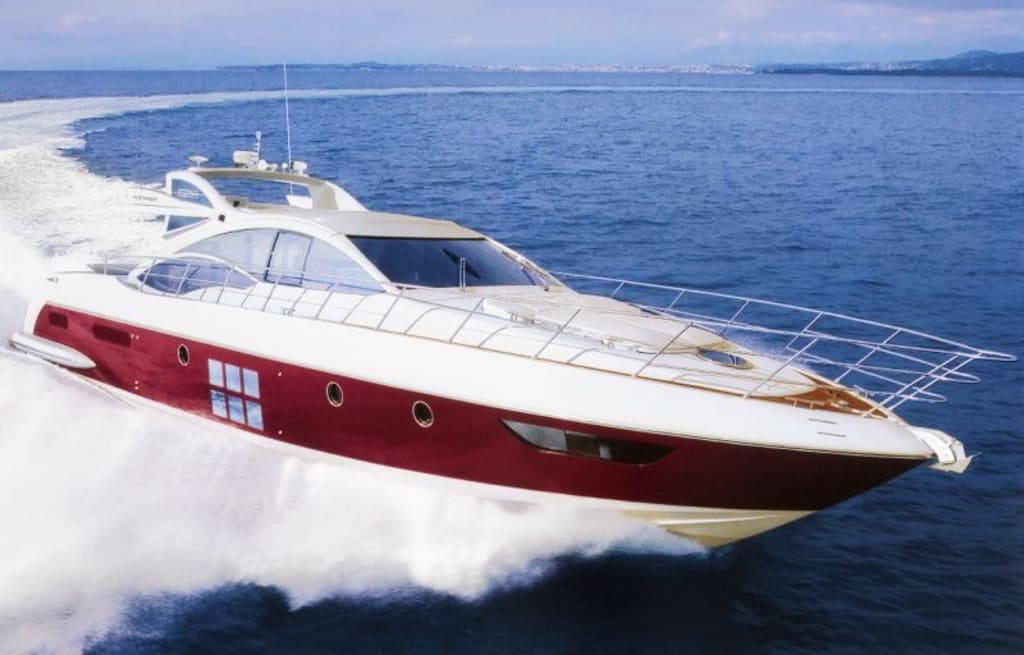
Few American cities are as defined by their relationship with water as Miami. The geography is inescapable: Biscayne Bay bisects the greater metropolitan area, the Florida Keys trail southward into the Atlantic, and the Intracoastal Waterway threads through some of the most valuable residential real estate in the country. Against this backdrop, yacht charters in Miami occupy a position that is simultaneously recreational, cultural, and economic. The city’s charter yacht scene has matured significantly over the past decade, moving well beyond the party boat rental stereotype to reflect a more sophisticated and varied marine lifestyle.
Yacht charters in Miami refer to the short-term hire of privately owned vessels — ranging from day-use motor yachts and sailing catamars to superyachts — for recreational, corporate, or event purposes. Miami’s charter market operates across Biscayne Bay, the Miami River, and surrounding coastal waters, with seasonal demand peaking between November and April during South Florida’s dry season.
The Geography That Shapes the Market
Understanding Miami’s charter yacht sector requires understanding its physical environment. Biscayne Bay, the shallow tidal lagoon stretching from Downtown Miami southward to Homestead, serves as the primary operating theater for most day-charter activity. The bay’s protected waters, generally calm conditions, and access to the chain of sandbars and barrier islands that include Virginia Key and Key Biscayne make it ideal for shorter excursions. The Miami Beach Marina, Coconut Grove’s Dinner Key Marina, and the marinas along the Aventura and Bal Harbour corridor anchor much of the commercial charter infrastructure.
Deeper-water and longer-range charters tend to depart toward the Atlantic through Government Cut, the main shipping channel south of South Beach. From there, the ocean provides access to destinations including Bimini in the Bahamas — roughly fifty nautical miles east — which has become one of the most popular overnight and two-day charter destinations from Miami. The combination of nearshore bay cruising and accessible offshore passages gives Miami’s charter market unusual geographic versatility compared with many other major American boating cities.
The Intracoastal Waterway also plays a distinct role, particularly for evening cruises, private dining charters, and corporate events. Navigating the Waterway through the neighborhoods of Bay Harbor Islands, Sunny Isles Beach, and Golden Beach offers a perspective on Miami’s architecture and residential landscape that is simply unavailable from land, which contributes to its appeal as a curated experience rather than a straightforward leisure activity.
Seasonal Patterns and Year-Round Demand
Miami’s reputation as a year-round destination obscures meaningful seasonal variation within the charter market. The high season runs from mid-November through April, driven by the convergence of favorable weather — lower humidity, reduced rainfall, and consistent easterly trade winds — with the influx of domestic and international visitors escaping colder climates. This period coincides with Art Basel Miami Beach in early December, the winter social season in Palm Beach, and the Super Bowl and Formula 1 Grand Prix events that Miami has increasingly hosted in recent years. Charter demand during these windows is exceptionally high, and premium vessels are typically reserved months in advance.
The summer months present a different profile. Afternoon thunderstorms are frequent, hurricane season runs from June through November, and humidity is considerable. Yet the market does not collapse. Local demand — Miami residents, rather than tourists — sustains a meaningful volume of charters through the warmer months, particularly for early-morning fishing expeditions, birthday and graduation celebrations, and weekend leisure among South Florida families. For operators, summer offers lower price sensitivity and more available inventory, which can make it an accessible entry point for first-time charter clients.
The result is a market that operates year-round but at meaningfully different scales, price points, and customer profiles depending on the season. Sophisticated operators have adapted their offerings accordingly, shifting toward longer corporate contracts and local clientele in summer while positioning premium luxury yacht charters aggressively for the November-to-April influx.
The Range of Vessels and What They Signal
The term “yacht charter” encompasses a range of vessel types whose differences matter practically and culturally. At one end of the spectrum sit the high-capacity party boats — often catamarans or large motor yachts configured for groups of twenty to fifty passengers — which have historically defined Miami’s charter reputation in popular culture. These vessels serve a genuine market: bachelorette parties, corporate team events, music video productions, and large birthday celebrations remain a consistent source of demand, particularly among domestic visitors to Miami Beach and the surrounding area.
The mid-market is occupied by vessels in the forty-to-seventy-foot range, typically accommodating between six and twelve guests for half-day or full-day charters. These yachts — often motor yachts from manufacturers including Azimut, Sunseeker, and Ferretti, or sailing catamarans from Leopard and Lagoon — have become the workhorses of the luxury yacht charter market in Miami, serving private family charters, small corporate groups, and anniversary celebrations where the emphasis is on quality of experience rather than capacity.
At the upper end sit the superyachts, defined loosely as vessels exceeding twenty-four meters in length, many of which use Miami as a seasonal base during the winter months. These vessels — some registered with the Professional Yachting Association and operating under charter licenses — attract a genuinely international clientele, including European and Latin American ultra-high-net-worth individuals for whom Miami functions as one node in a broader Bahamas and Caribbean itinerary. The Bass Museum district, Fisher Island, and Star Island provide the social context within which this level of charter activity operates.
Corporate and Event Charters: An Underappreciated Segment
The corporate charter segment in Miami is larger and more structurally significant than its public profile suggests. The city’s position as the gateway to Latin America, combined with its density of financial services firms, real estate development companies, and international trade operations, generates consistent demand for charters used as client entertainment vehicles. A sunset cruise on Biscayne Bay or a private dinner charter along the Intracoastal occupies a similar function in Miami’s business culture to a private dining room reservation in New York or London — a controlled, high-quality environment for relationship-building away from the interruptions of conventional hospitality settings.
Conference season amplifies this significantly. Miami hosts major industry gatherings in finance, technology, healthcare, and real estate throughout the year, and yacht charters have become a standard tool for hosting client dinners, private cocktail receptions, and exclusive satellite events during conference weeks. The ability to guarantee privacy, control the environment completely, and offer a distinctly Miami experience — water, skyline, warm evening air — makes the charter format particularly well-suited to the type of high-value hospitality these events demand.
Event planners and DMCs operating in South Florida have recognized this opportunity, and a substantial sub-industry has developed around the logistics of combining catering, audio-visual equipment, branded decor, and vessel rental into cohesive corporate experiences. The production requirements for a yacht-based corporate event are meaningfully different from a land-based equivalent, and operators who have invested in understanding those requirements have captured a disproportionate share of this segment.
Regulatory Environment and Charter Licensing
Operating a charter yacht commercially in United States waters requires compliance with a specific regulatory framework administered by the United States Coast Guard. Vessels carrying more than six paying passengers are required to hold a Certificate of Inspection and operate under what is known as a Six-Pack license for smaller vessels, or a higher-capacity charter license for larger commercial operations. Captains must hold the appropriate USCG Merchant Mariner Credential, with tonnage and route endorsements appropriate to the vessel and operating area.
Miami’s charter market includes a meaningful number of vessels operating outside this framework — a practice sometimes described informally as “boat sharing” or structured through arrangements intended to obscure commercial intent. The practical and liability implications for charter clients engaging with unlicensed operations are significant, particularly in the event of an incident, medical emergency, or vessel failure at sea. Licensed operators with verifiable USCG credentials, current safety certificates, and adequate insurance coverage represent a substantially lower-risk engagement, a distinction that sophisticated clients have increasingly come to understand.
Florida’s Fish and Wildlife Conservation Commission also governs specific aspects of marine activity including anchoring in protected areas, approach distances to marine mammals, and access to certain ecologically sensitive zones within Biscayne National Park. Reputable charter operators incorporate these regulatory requirements into their standard operations, which has the secondary benefit of protecting the marine environments that make Miami’s waterways attractive in the first place.
Miami’s Charter Market in Broader Context
Positioned within the competitive landscape of American luxury yacht charters, Miami occupies a distinct niche. It lacks the deep-water, protected anchorage infrastructure of Fort Lauderdale — which remains the undisputed center of the superyacht industry in Florida — but compensates with a cultural energy and urban proximity that Fort Lauderdale does not offer. The ability to depart from a marina in Coconut Grove and be anchored off a Bahamian sandbar by early afternoon is a geographic advantage no other major American city can replicate.
Internationally, Miami competes with the French Riviera, the Greek islands, and the Caribbean’s established charter destinations for high-net-worth charter clients. Its competitive advantages are access, convenience, and a cultural context that is simultaneously cosmopolitan and distinctly American. For international visitors — particularly those arriving from Latin America, Europe, and the Middle East — Miami offers charter experiences that combine the infrastructure of a major world city with the natural assets of a tropical marine environment.
The broader trajectory of the market points toward continued growth, driven by generational wealth transfer toward younger cohorts who are demonstrably more experience-oriented in their consumption patterns than their predecessors, and by the increasing accessibility of charter booking through digital platforms that have reduced the friction historically associated with commissioning a private vessel. As yacht charters in Miami continue to evolve, the city’s waterways remain one of its most enduring and underexplored assets — a living part of its infrastructure as much as its roads, and far more reflective of what makes Miami genuinely distinctive.
About the Creator
Miami Boat Charter
Miami Boat Charters offers the largest and newest selection of fully crewed Boat Charters, Party Boats, & Luxury Yacht Rentals in Miami Beach.
Enjoyed the story? Support the Creator.
Subscribe for free to receive all their stories in your feed.
Comments
There are no comments for this story
Be the first to respond and start the conversation.